In an increasingly automated and interactive world, the humble proximity sensor has become a cornerstone technology. From smartphones that dim their screens when held to your ear, to industrial robots avoiding collisions, and cars that warn of nearby obstacles, these devices are silently shaping our daily experiences. But how good are they really? The answer is not a simple yes or no; it depends heavily on the type, application, and technological maturity of the sensor in question.
Fundamentally, a proximity sensor detects the presence or absence of an object within a specific range without physical contact. They achieve this through various principles, each with its own strengths and limitations. The most common types include inductive, capacitive, ultrasonic, and optical (often infrared) sensors.
Inductive sensors are workhorses in industrial settings. They excel at detecting metallic objects with remarkable reliability, speed, and durability. Resistant to dust, oil, and harsh environments, their "goodness" is unquestioned for machine automation and position sensing. However, their limitation is clear: they are blind to non-metallic materials.
This is where capacitive sensors shine. They can detect almost any material—plastic, wood, liquid, or even a human hand—by measuring changes in an electrical field. This makes them ideal for level detection in tanks, touch-sensitive interfaces, and safety applications. Their performance can be affected by environmental humidity or temperature fluctuations, but modern designs have largely mitigated these issues.
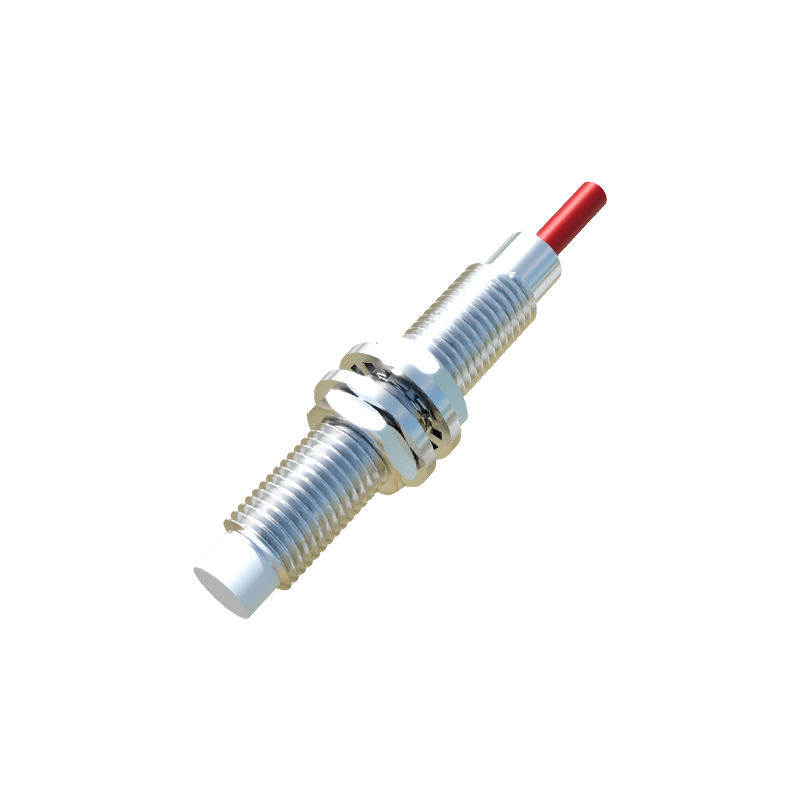
For longer ranges and more precise distance measurement, ultrasonic sensors are a top choice. By emitting sound waves and calculating the echo's return time, they can accurately gauge distance to objects of various materials and colors. They are widely used in parking assist systems, robotics, and container level monitoring. Their downside can be a slower response time compared to inductive sensors and potential interference in very noisy environments.
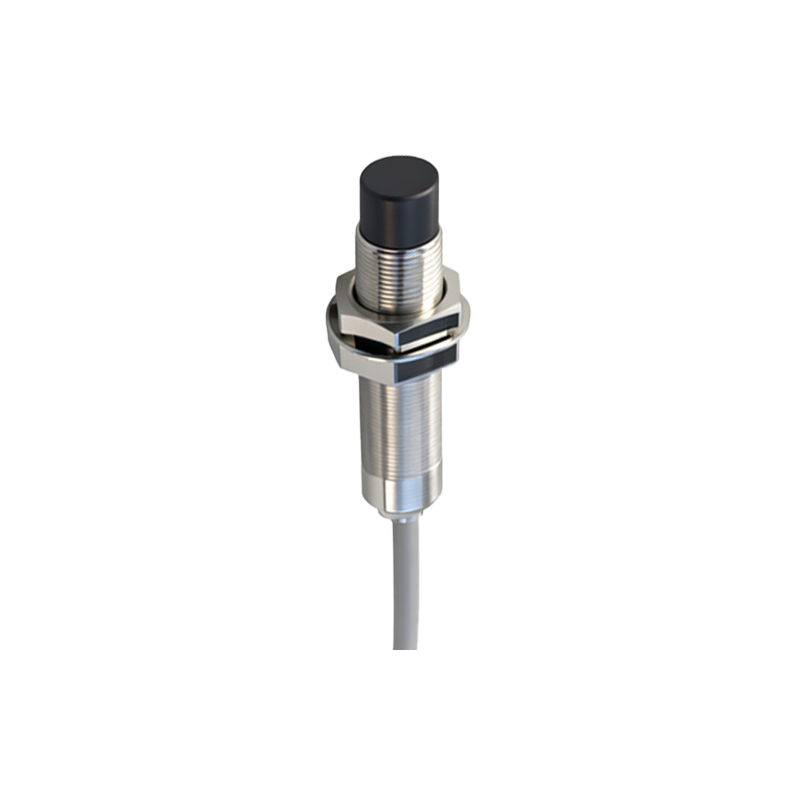
Optical proximity sensors, particularly infrared (IR) types, are ubiquitous in consumer electronics. The IR LED and photodetector combination in your phone is a marvel of miniaturization and low-power operation. Their performance in controlled, short-range applications is excellent. However, they can be confused by bright ambient light or highly reflective surfaces.
So, assessing "how good" a proximity sensor is requires asking the right questions: What is the target material? What is the required detection range? How fast does the response need to be? What are the environmental conditions (dust, moisture, temperature)? What is the budget?
The current market trend shows that proximity sensors are getting better across all metrics. They are becoming smaller, more energy-efficient, more intelligent, and more affordable. Integration with microprocessors and IoT connectivity is now common, allowing for predictive maintenance and data analytics. For instance, a sensor on a production line no longer just signals "object present"; it can communicate its own health and calibration status.
In automotive applications, the fusion of ultrasonic sensors with cameras and radar creates advanced driver-assistance systems (ADAS) that are significantly enhancing safety. In smart homes, capacitive and IR sensors enable intuitive appliance control and energy savings. The reliability of modern industrial-grade sensors has drastically reduced downtime in manufacturing.
Challenges remain. Achieving high accuracy and stability in extreme environments is ongoing research. Minimizing false triggers and cross-talk between multiple sensors in a dense array is crucial for complex machinery. Furthermore, the quest for a single, universal sensor technology that is cheap, accurate, long-range, and material-agnostic continues.
In conclusion, proximity sensors today are exceptionally good—for their intended, specific purposes. There is no one-size-fits-all champion. The technology has matured to a point where engineers and designers can select from a robust portfolio of options to find a sensor that delivers optimal performance for a given task. Their continued evolution, driven by advancements in materials science and digital signal processing, promises even greater integration into the fabric of our automated world, making devices smarter, safer, and more responsive than ever before.