Proximity sensors are ubiquitous in modern industrial automation, consumer electronics, and automotive systems. These devices detect the presence or absence of an object within a specific range without physical contact, offering reliability, longevity, and precision. Understanding the common types and their operational principles is crucial for selecting the right sensor for a given application.
Inductive proximity sensors are among the most prevalent in industrial settings. They generate an electromagnetic field and detect the eddy current losses caused by metallic targets entering this field. Primarily used for detecting ferrous and non-ferrous metals, they are ideal for harsh environments due to their robust construction, immunity to dust and oil, and fast response times. Typical applications include position sensing in machine tools, part counting on conveyor belts, and limit switching. A key limitation is their inability to detect non-metallic objects.
Capacitive proximity sensors operate on a different principle. They generate an electrostatic field and detect changes in capacitance caused by any material—metal, plastic, wood, liquid, or granules—entering the field. This makes them highly versatile. They can even sense materials through non-metallic barriers, enabling applications like liquid level detection in tanks or monitoring material levels in hoppers. However, they can be more susceptible to environmental factors like humidity and require careful calibration to avoid false triggers from non-target materials.
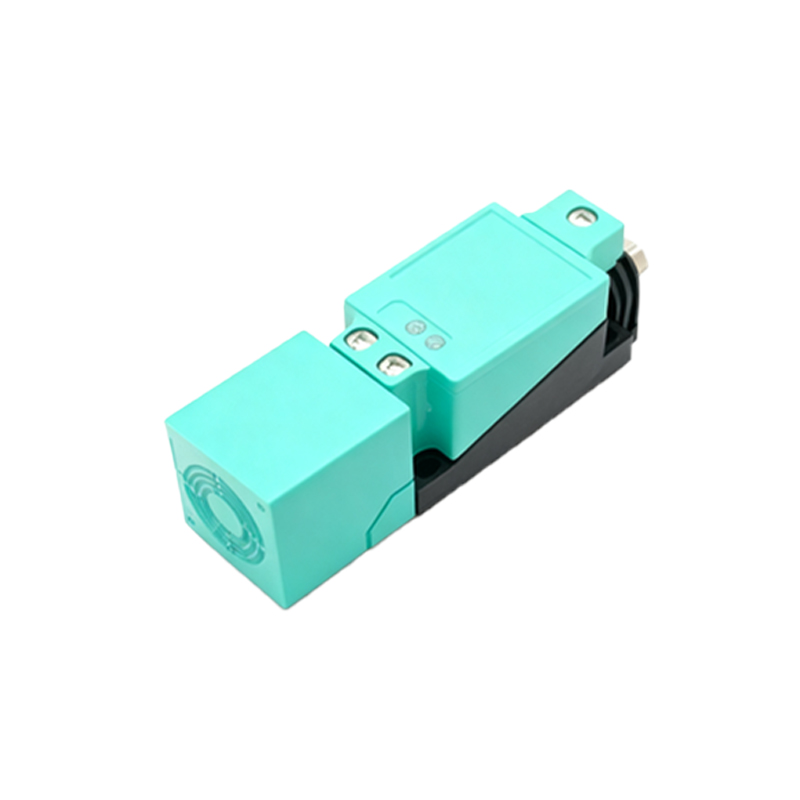
Ultrasonic proximity sensors use sound waves beyond the human hearing range. They emit ultrasonic pulses and measure the time taken for the echo to return from a target object. This time-of-flight measurement allows them to detect virtually any solid or liquid material, regardless of color, transparency, or surface texture. They are excellent for distance measurement, object profiling, and presence detection in challenging conditions, such as detecting clear glass bottles or monitoring bulk materials. Performance can be affected by temperature variations, air turbulence, and highly absorbent surfaces.
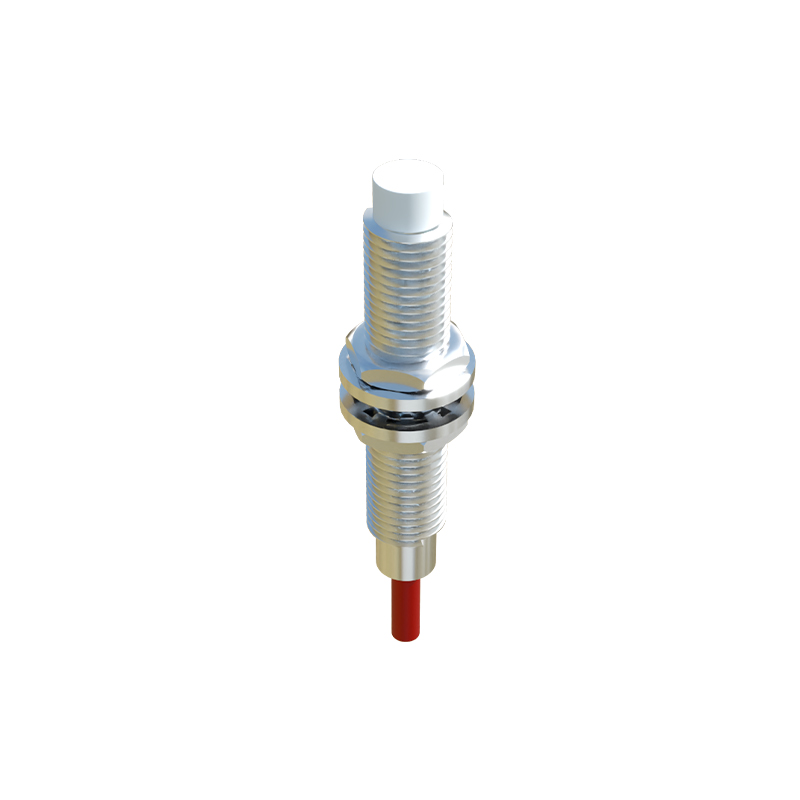
Magnetic proximity sensors, often in the form of reed switches or Hall-effect sensors, detect the presence of a permanent magnet. Reed switches use ferromagnetic reeds that contact each other when a magnetic field is applied. Hall-effect sensors produce a voltage output proportional to the magnetic field strength. These sensors are extremely reliable for detecting the position of moving parts, such as in cylinder position sensing, door/window security systems, and speed sensing in automotive applications. They are simple, cost-effective, and can operate in dirty or wet environments where optical sensors might fail.
Photoelectric sensors, while sometimes categorized separately, function as proximity sensors in the diffuse reflective mode. They consist of an emitter (usually an LED) and a receiver. In the diffuse mode, the sensor detects light reflected directly from the target object. They are superb for detecting small objects, colored marks, or transparent materials over longer ranges than inductive or capacitive sensors. Common uses include packaging lines, bottle counting, and assembly verification. Their performance can be hindered by ambient light, color variations, and highly reflective or absorbent surfaces.
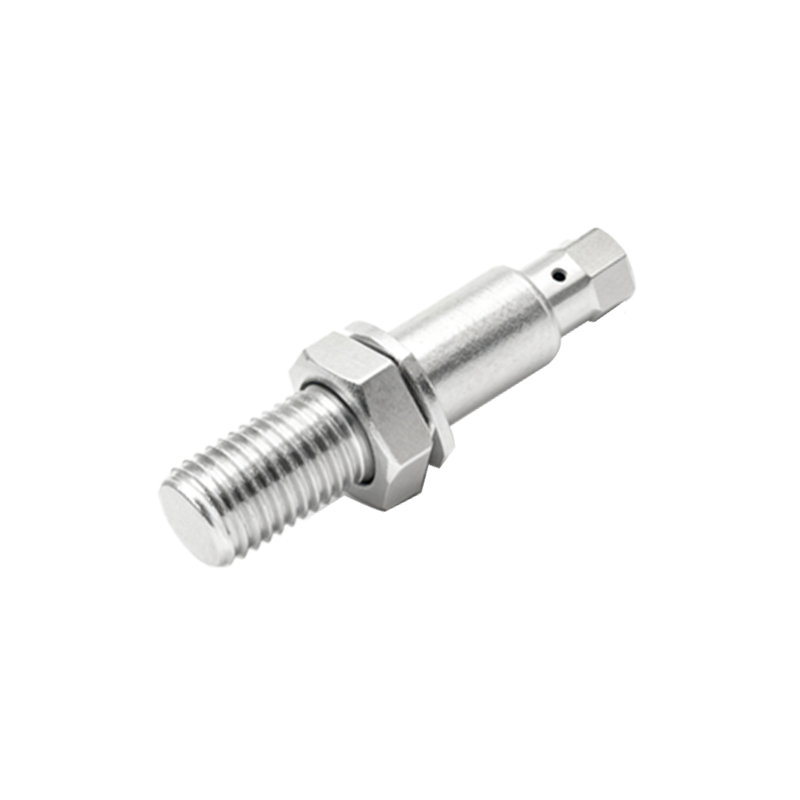
Selecting the appropriate proximity sensor involves a careful analysis of several factors: the target material, required sensing distance, environmental conditions (temperature, contaminants), response speed, output type (digital or analog), and installation constraints. For instance, an inductive sensor is the default choice for metal detection on a fast-moving robotic arm, while a capacitive sensor is necessary for monitoring plastic granule levels, and an ultrasonic sensor is ideal for precise distance measurement to a liquid surface.
The evolution of these sensors continues with trends toward miniaturization, increased intelligence with IO-Link communication for diagnostics and parameter setting, and enhanced resistance to extreme industrial environments. Their fundamental role in enabling precise, contactless detection ensures they remain a cornerstone of efficient and automated systems across countless industries, from manufacturing and packaging to automotive and smart buildings.