The Growing Threat of Counterfeit EESX Sensors
In the industrial automation sector, EESX photoelectric sensors are critical components for precise detection and control in manufacturing lines. However, the market has seen a surge in counterfeit versions that mimic genuine products, often with inferior materials and unreliable performance. These counterfeit sensors can lead to frequent downtime, false signals, and even safety hazards. As a field engineer with over a decade of experience, I have encountered multiple cases where clients unknowingly installed fake EESX sensors, resulting in costly production halts. The key to avoiding these issues lies in understanding the subtle differences between authentic and counterfeit units.
Visual Inspection: Spotting the Telltale Signs
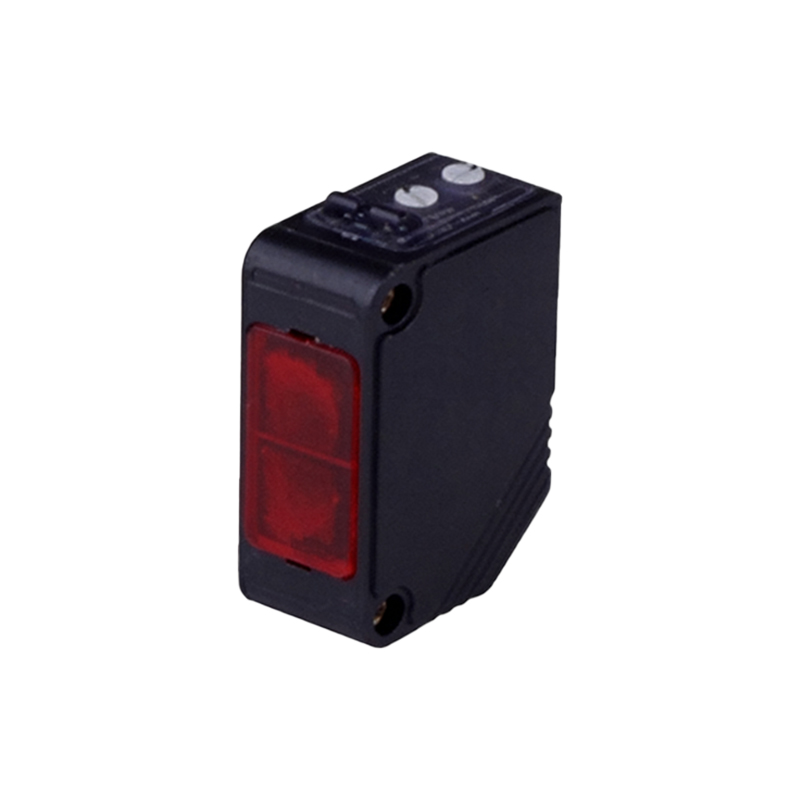
Start by examining the physical appearance. Genuine EESX sensors have a uniform, high-gloss finish with precise laser-engraved part numbers and logos. Counterfeit ones often feature blurry printing, uneven surfaces, or mismatched color tones. Pay close attention to the indicator LED: authentic sensors emit a consistent, bright light, while fakes may flicker or have a dimmer glow. Also, check the cable jacket—real sensors use a flexible, durable PVC material, whereas counterfeits might use brittle or overly soft plastic. I once received a sample where the brand logo was slightly tilted, which upon further testing, revealed a 20% accuracy deviation.
Performance Testing: The Real Differentiator
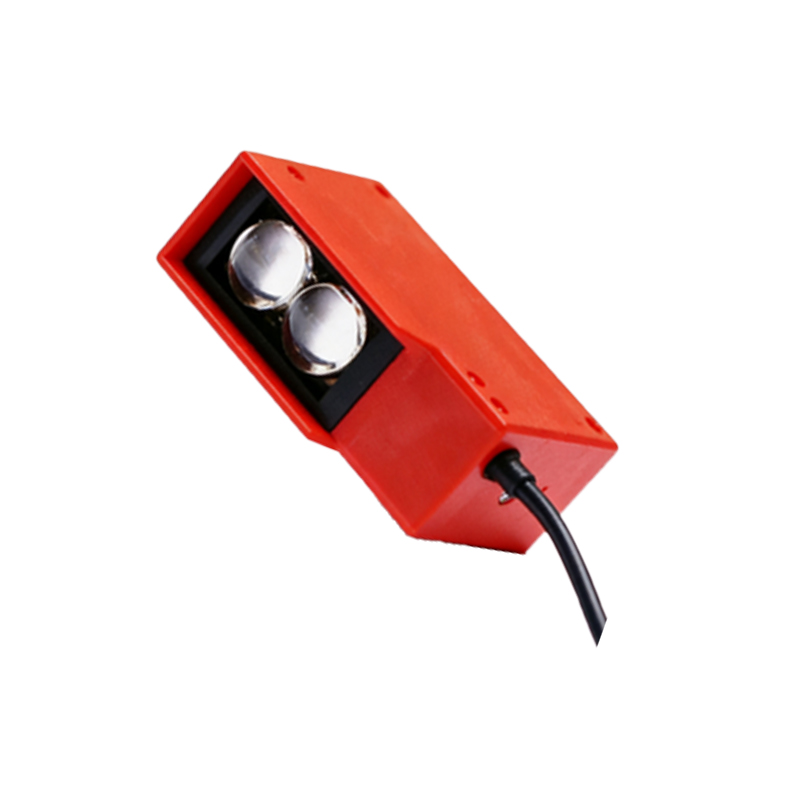
A quick bench test can reveal a lot. Set up the sensor in a controlled environment with a standard target. Measure its response time, sensing range, and repeatability. Genuine EESX sensors maintain a stable output within ±1% of the specified range, even under varying light conditions. Counterfeit units often show drift, especially after 15 minutes of operation. In a recent project, a batch of fake sensors failed to detect objects beyond 80% of the claimed range, causing random stops in a packaging line. Use an oscilloscope to examine the output waveform—authentic models produce clean, square waves, while fakes generate noisy or distorted signals.
Internal Components: Opening the Black Box
If possible, dissect a suspect sensor. Authentic EESX units use high-grade optical lenses and sealed electronics with conformal coating for moisture protection. Counterfeit ones might contain generic photodiodes, cheap capacitors, or even missing components. I recall a case where a fake sensor had a visible gap in the lens alignment, leading to inconsistent beam focusing. The PCB inside a genuine sensor will have clear manufacturer markings and consistent solder joints, while fakes often show rough soldering or unlabeled chips.
Supply Chain Verification: Trust but Verify
Always purchase from authorized distributors or directly from the manufacturer. Request traceability documentation, such as batch numbers and test certificates. Counterfeiters often exploit online marketplaces, offering steep discounts. Check the packaging: genuine EESX sensors come in sealed, anti-static bags with holographic stickers. If the price seems too good to be true, it probably is. In one audit, we discovered that a supplier had been mixing 10% counterfeit units into bulk orders, only detectable through serial number verification with the brand’s database.
Long-Term Implications and Best Practices
Using counterfeit sensors can void warranties, damage other equipment, and lead to safety violations. For critical applications, implement a receiving inspection protocol: test each sensor upon arrival and maintain a log. Train your maintenance team to recognize red flags. Remember, a single false reading from a fake sensor can cause a robotic arm to miss a pick, or a conveyor to jam. Investing in authentic EESX sensors is not just about performance—it’s about operational reliability. By combining visual checks, performance tests, and supply chain diligence, you can protect your facility from the hidden costs of counterfeits.