Introduction to Printing Photoelectric Sensors
Printing photoelectric sensors are critical components in modern automated manufacturing, especially within the printing and packaging industries. These sensors detect the presence, position, or absence of objects using light beams, often including laser or LED sources. They are designed to handle high-speed production lines, ensuring accurate registration, edge detection, and quality control. Unlike general-purpose sensors, printing-specific models are optimized for reflective surfaces, transparent materials, and rapid color changes, making them indispensable for printers, converters, and labelers.
Operating Principles and Types
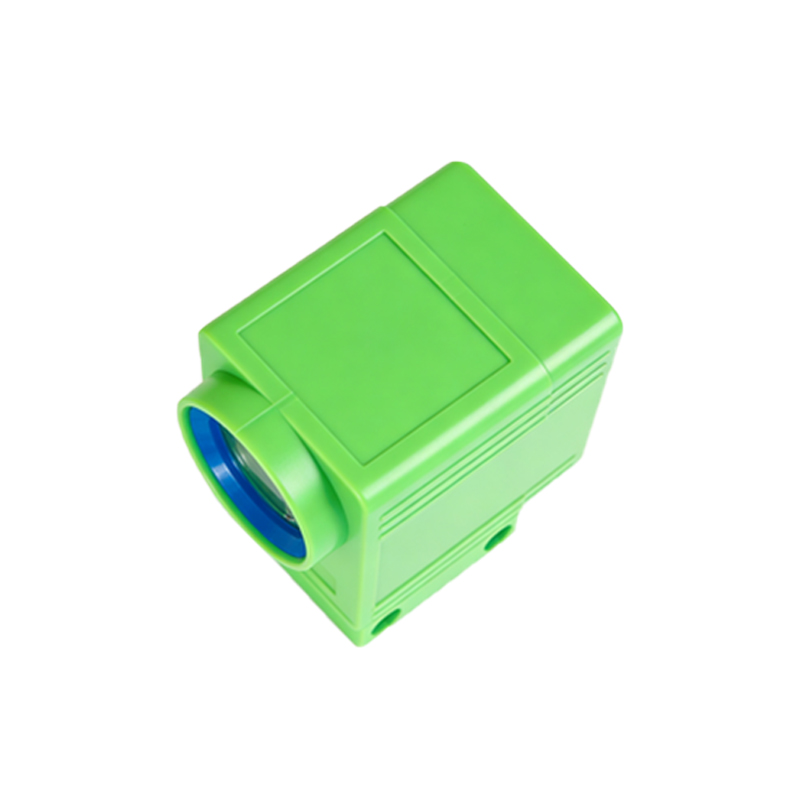
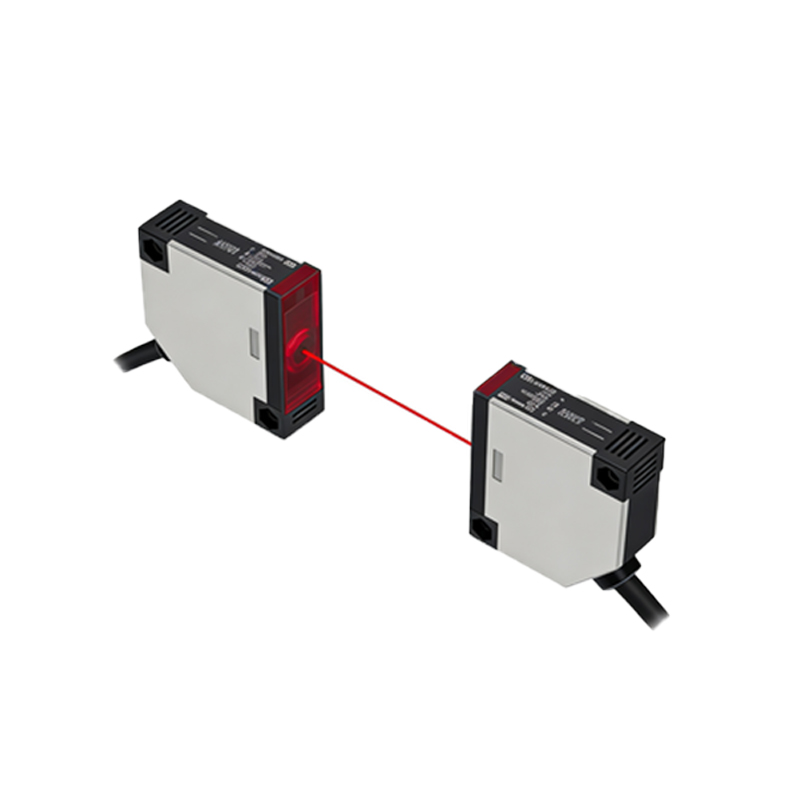
These sensors operate on three main principles: through-beam, retro-reflective, and diffuse reflection. Through-beam sensors use separate emitter and receiver units, offering the highest detection range and reliability for opaque materials. Retro-reflective sensors combine emitter and receiver in one housing, using a reflector to bounce the light back, ideal for detecting clear films or glossy surfaces. Diffuse sensors rely on light reflected directly from the target, suitable for short-range applications with variable backgrounds. Advanced versions incorporate background suppression or fixed-focus optics to ignore the background, enhancing accuracy in noisy environments.
Key Applications in Printing Lines
In printing presses, these sensors perform critical tasks such as web alignment, splice detection, and label positioning. For example, during high-speed flexographic or gravure printing, sensors ensure that each color layer aligns precisely, preventing misregistration. They also monitor paper or film tension by detecting edge positions, triggering automatic corrections. In packaging lines, sensors verify the presence of printed labels or barcodes, rejecting defective products. Their fast response times—often under 1 millisecond—are vital for maintaining throughput without compromising quality.
Selection Criteria for Engineers
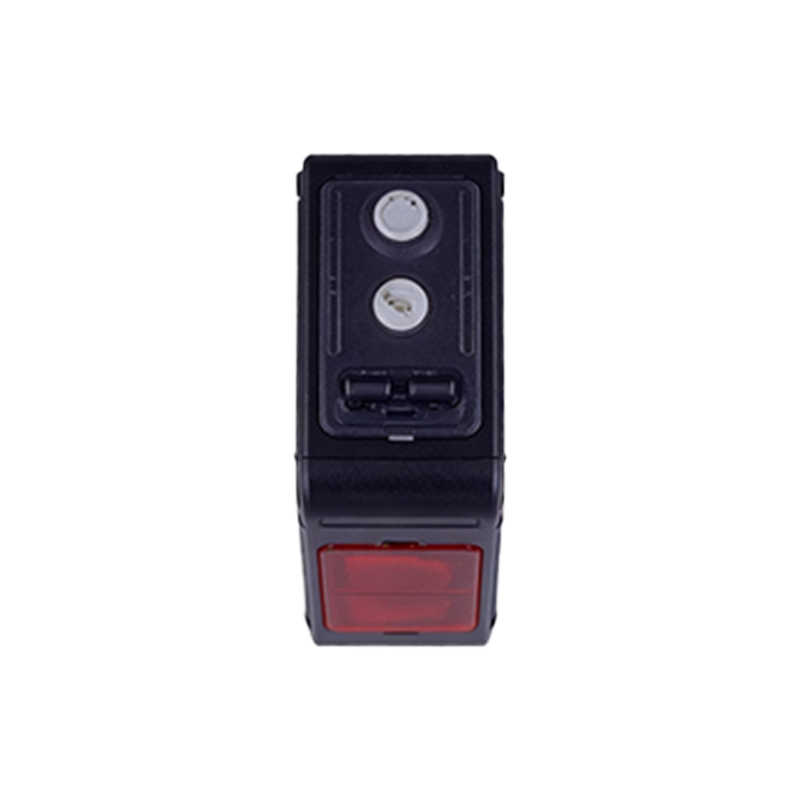
Choosing the right sensor involves evaluating factors like target material, ambient light, and operating distance. For transparent films, retro-reflective sensors with polarizing filters reduce false signals from glare. For high-temperature environments, such as drying ovens, sensors with heat-resistant housings are necessary. Engineers must also consider output types—PNP, NPN, or IO-Link—to match existing control systems. IO-Link sensors provide diagnostic data, enabling predictive maintenance and reducing downtime. Additionally, compact form factors are preferred for tight spaces on printing modules.
Installation and Calibration Best Practices
Proper mounting is crucial to avoid misalignment. Sensors should be positioned perpendicular to the moving web to ensure consistent detection. For through-beam setups, alignment tools or laser pointers help optimize the beam path. Calibration involves adjusting sensitivity to ignore dust, splashes, or vibration. Many modern sensors feature automatic threshold adjustment or teach-in functions, simplifying setup. Regular cleaning of lenses and reflectors with lint-free cloths prevents signal degradation, especially in dusty printing environments.
Troubleshooting Common Issues
Common problems include false triggering due to ambient light, surface reflections, or mechanical vibration. Using shields, filters, or background suppression optics can mitigate these issues. If a sensor fails to detect a transparent target, switching to a retro-reflective model with a polarization filter often resolves the issue. Electrical noise from nearby motors or drives may cause intermittent faults, requiring shielded cables or ferrite cores. For complex cases, analyzing the sensor’s signal strength via an oscilloscope or built-in diagnostics helps pinpoint root causes.
Future Trends and Innovations
The industry is moving toward smart sensors with integrated processors and wireless connectivity. These devices can adapt to changing line speeds and materials in real time, using machine learning to optimize detection thresholds. Miniaturization allows embedding sensors directly into print heads or rollers, reducing footprint. Additionally, multi-point laser sensors enable simultaneous detection of multiple features, improving efficiency. As Industry 4.0 grows, these sensors will play a key role in digital twins and predictive maintenance, driving further automation in printing.