Introduction: Why Photoelectric Sensors Matter
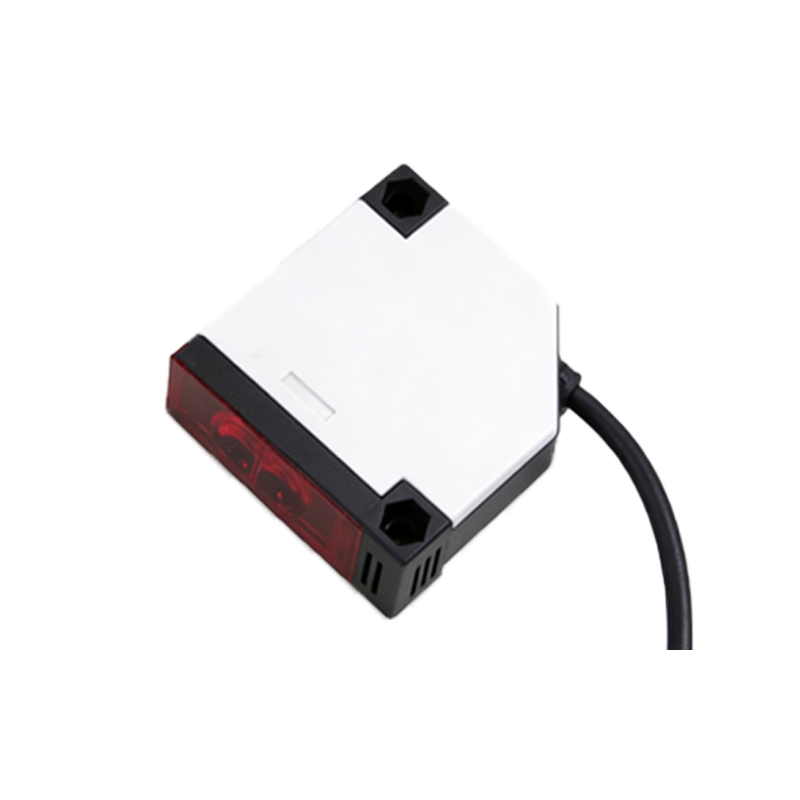
As an electrical engineer specializing in industrial automation, I have witnessed firsthand the evolution of sensing technologies. Photoelectric sensors, which detect objects using light beams, have become indispensable in modern manufacturing lines. Their ability to operate without physical contact makes them ideal for high-speed, precise, and harsh environments. From packaging to automotive assembly, these sensors are the eyes of the factory floor. The question is: how promising is their future, and should engineers invest time in mastering this technology?
Current Applications and Industry Reliance
Today, photoelectric sensors are ubiquitous. In conveyor systems, they detect product presence and count items. In robotics, they enable collision avoidance and precise positioning. The packaging industry relies heavily on them for label detection and fill-level monitoring. Even in food processing, where hygiene is critical, these sensors function reliably despite moisture or dust. With the push for Industry 4.0, sensors are now integrated with IoT gateways, providing real-time data for predictive maintenance. This trend is only growing, as factories demand higher throughput and fewer downtime events.
Technological Advancements Driving Growth
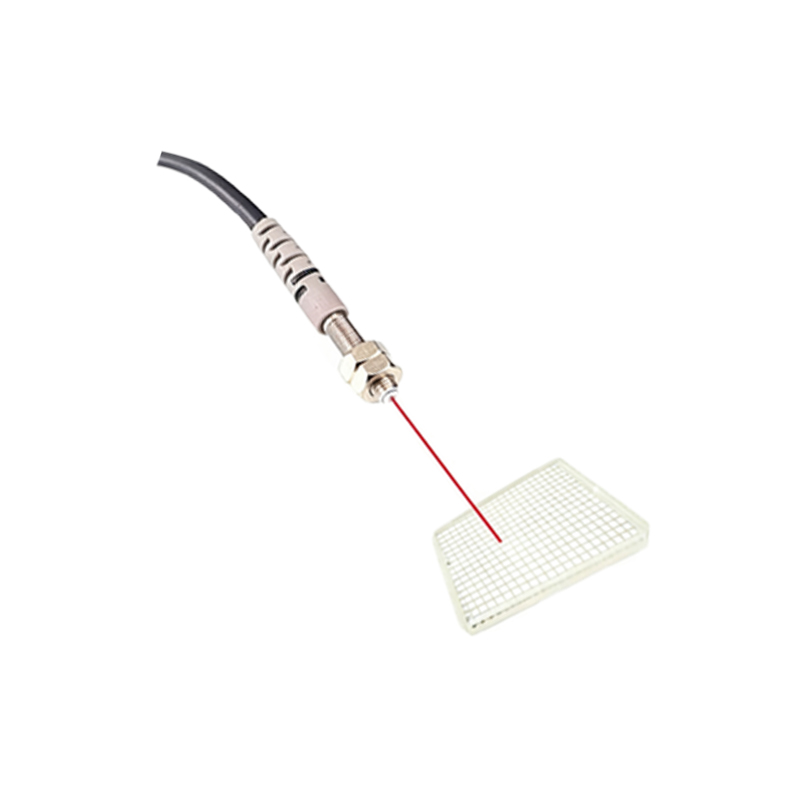
Recent innovations have expanded the capabilities of photoelectric sensors. Laser-based models now offer millimeter-level accuracy, suitable for microelectronics assembly. Multi-mode sensors combine diffuse, retro-reflective, and through-beam methods in one unit, reducing inventory complexity. Additionally, IO-Link communication protocols allow for parameter adjustment and diagnostics over a single cable. These features reduce maintenance time and improve flexibility. Engineers must stay updated on these advancements to design systems that are both cost-effective and robust.
Market Trends and Economic Viability
From a market perspective, the global photoelectric sensor industry is projected to grow at a CAGR of over 7% through 2030, driven by automation adoption in emerging economies. The cost of high-performance sensors has dropped by nearly 30% over the past five years, making them accessibleeven to small and medium enterprises. However, competition from inductive and capacitive sensors in certain applications remains. The key advantage of photoelectric sensors—their ability to detect virtually any material—ensures their continued relevance. For engineers, specializing in this domain offers job security and opportunities in sectors like renewable energy, where solar panel alignment relies on such sensors.
Challenges and Considerations for Engineers
No technology is without drawbacks. Photoelectric sensors are susceptible to ambient light interference, fog, and reflective surfaces. Engineers must carefully calibrate and select the right wavelength (e.g., infrared vs. visible red) for specific environments. Another challenge is the integration of these sensors into legacy systems with older PLCs. Signal noise and grounding issues can cause false triggers. Therefore, strong troubleshooting skills are essential. Additionally, the shift toward wireless sensor networks may reduce reliance on wired photoelectric sensors, though hybrid solutions are emerging.
Conclusion: A Bright Horizon with Continuous Learning
In summary, the future for photoelectric sensors remains exceptionally bright. They are foundational to smart factories and will only become more intelligent with AI-driven analytics. For electrical engineers, this is a field that rewards continuous learning—understanding optical physics, electronics, and data communication. The demand for experts who can design, install, and maintain these systems will continue to rise. I encourage every engineer to embrace this technology, as it is a gateway to the broader world of industrial automation and IoT. The light of opportunity is shining strong.