Introduction to Photoelectric Sensors
Photoelectric sensors are widely used in automation, manufacturing, and packaging industries due to their non-contact detection capabilities. They use light beams to detect objects, offering high accuracy and reliability in harsh environments. As an electrical engineer, I often recommend these sensors for applications where mechanical switches fail due to wear or contamination.
Key Advantages of Photoelectric Sensors
Photoelectric sensors excel in detecting a wide range of materials, including transparent, reflective, and irregularly shaped objects. Their ability to operate in dusty, wet, or vibrating conditions makes them ideal for heavy-duty industrial settings. For instance, in conveyor systems, they provide precise object counting without physical contact, reducing maintenance costs.
Types and Selection Criteria
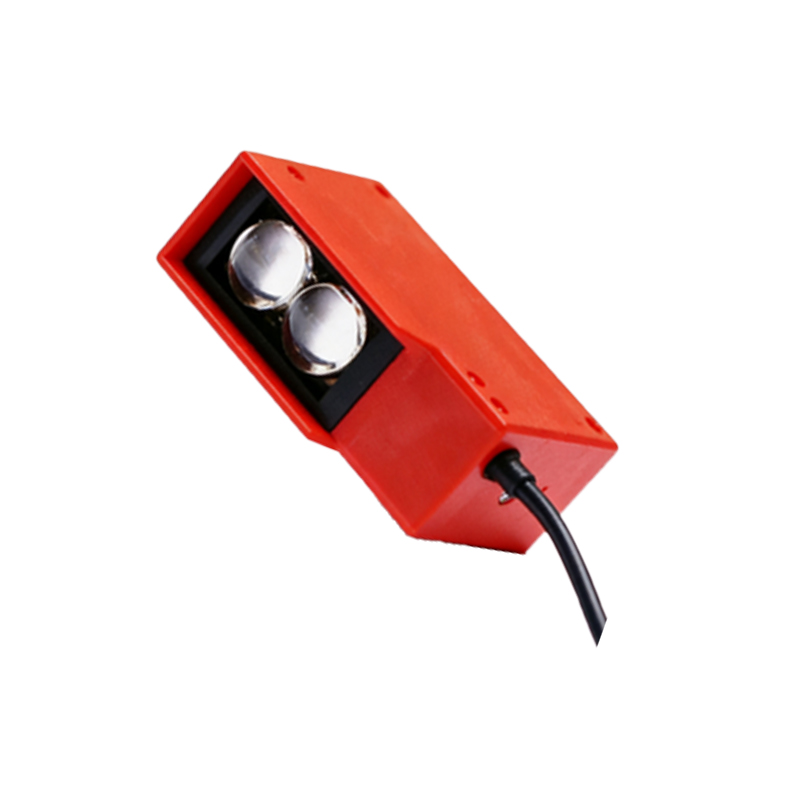
Common types include through-beam, retro-reflective, and diffuse sensors. Through-beam sensors offer the longest range and highest stability, while diffuse sensors simplify installation by combining emitter and receiver in one housing. When selecting, consider factors like ambient light interference, response time, and cable length to ensure optimal performance.
Common Challenges and Solutions
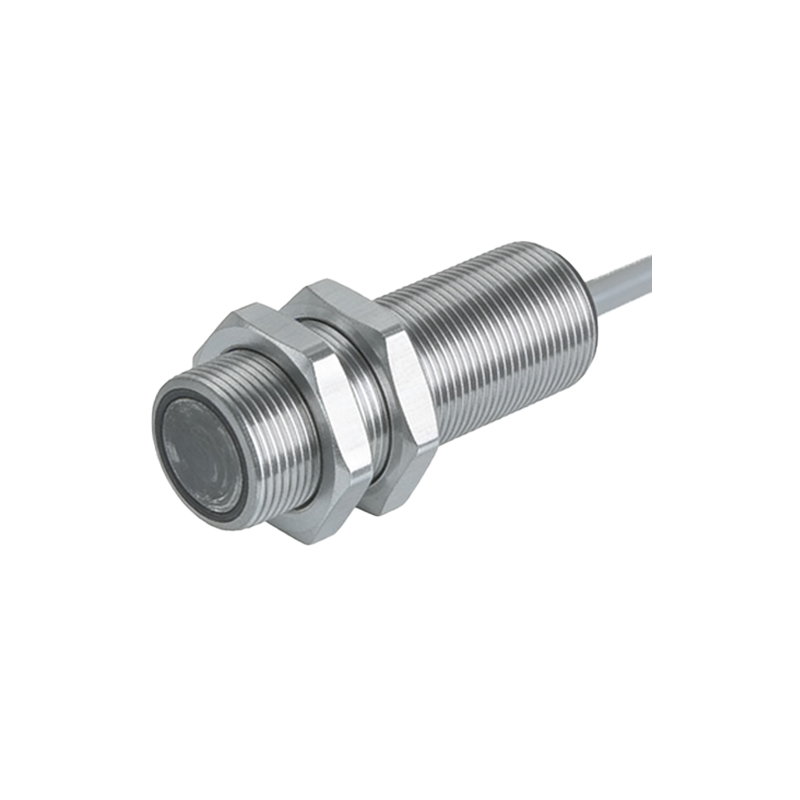
Despite their robustness, photoelectric sensors can face issues like false triggering from ambient light or reflective surfaces. To mitigate this, use sensors with modulated light or background suppression features. Regular cleaning of lenses and alignment checks also prevent signal degradation. In high-temperature areas, select sensors with heat-resistant housings.
Real-World Maintenance Tips
From my field experience, regular inspection of sensor alignment and lens cleanliness extends lifespan. Use a soft cloth and isopropyl alcohol for cleaning. For outdoor installations, consider IP67-rated enclosures to protect against moisture and dust. Keeping spare sensors onsite reduces downtime during unexpected failures.
Conclusion: Are They Worth It?
Photoelectric sensors are highly effective for non-contact detection, offering durability and versatility. While initial costs may be higher than mechanical alternatives, long-term benefits like reduced maintenance and increased throughput justify the investment. Proper selection and maintenance ensure reliable operation in demanding industrial environments.