In an era where hygiene, energy efficiency, and seamless automation are paramount, human proximity sensor switches have emerged as a pivotal technology. These intelligent devices detect the presence or movement of a person within a specific range without any physical contact, triggering a predefined action. Unlike traditional mechanical switches, they offer a touchless interface, revolutionizing how we interact with everyday environments in homes, offices, and public spaces.
The core technology behind these switches varies, with Passive Infrared (PIR), Ultrasonic, and Microwave (Radar) being the most common. PIR sensors detect changes in infrared radiation emitted by warm bodies, making them excellent for detecting human movement. Ultrasonic sensors emit high-frequency sound waves and measure their reflection, while microwave sensors use electromagnetic waves. Each type has its strengths; for instance, microwave sensors can detect motion through non-metallic materials like glass or drywall, offering more flexible installation options. The choice depends on factors like required detection range, sensitivity, environmental conditions, and cost.
The applications are vast and growing. In residential settings, proximity sensor switches automate lighting in hallways, closets, and bathrooms, providing convenience and enhancing safety during nighttime. They contribute significantly to energy conservation by ensuring lights are only on when needed. In commercial buildings, they manage lighting and HVAC systems in conference rooms, storage areas, and restrooms, reducing operational costs. Perhaps most crucially, in healthcare facilities, airports, and restaurants, touchless faucets, soap dispensers, and door controls powered by proximity sensors minimize surface contact, supporting critical hygiene protocols.
Beyond basic on/off functions, modern proximity sensor switches are becoming increasingly sophisticated. They can differentiate between intentional approach and casual passing, often through adjustable sensitivity and timing settings. Some advanced models incorporate ambient light sensors to only activate when natural light is insufficient, further optimizing energy use. The integration with smart home and building automation systems is a key trend, allowing these sensors to be part of a larger IoT ecosystem. Users can monitor usage patterns, schedule operations, and receive maintenance alerts via smartphone apps.
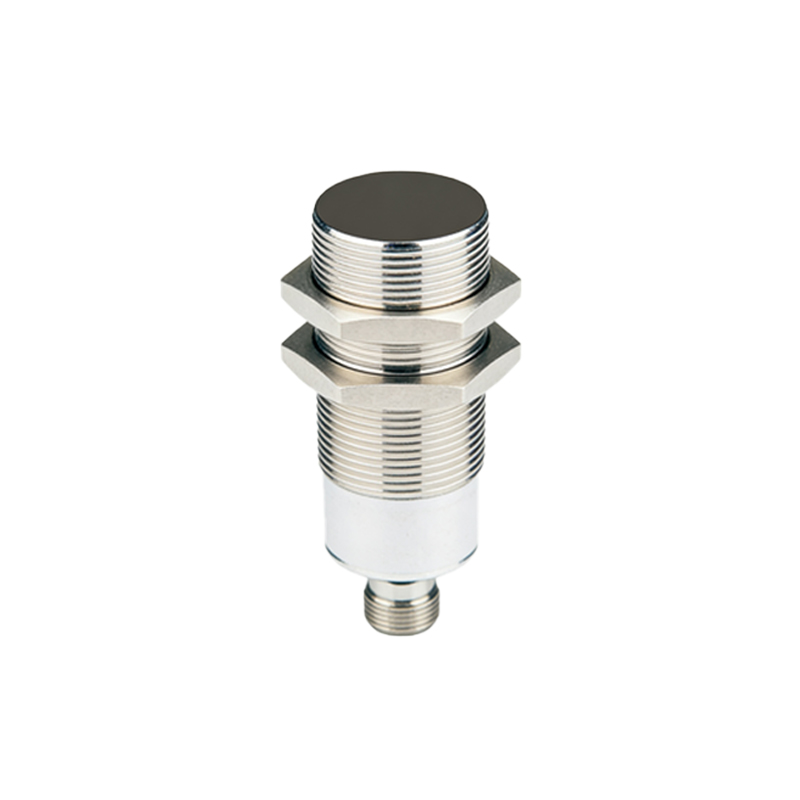
Installation and maintenance are generally straightforward, often designed to retrofit existing switch boxes. However, proper placement is essential to avoid false triggers from pets, sunlight, or HVAC vents. Regular cleaning of the sensor lens and ensuring an unobstructed field of view are simple maintenance steps that ensure long-term reliability.
Looking ahead, the future of human proximity sensor switches is intertwined with advancements in AI and machine learning. Future iterations may be capable of recognizing specific individuals, counting occupants, or even interpreting simple gestures for more complex control. As sensor technology becomes more affordable and miniaturized, its integration into furniture, appliances, and urban infrastructure will become ubiquitous.
In conclusion, human proximity sensor switches represent more than just a convenience; they are a fundamental component of smarter, safer, and more sustainable living and working environments. By eliminating the need for physical contact, they address contemporary concerns about hygiene and resource conservation while paving the way for more intuitive and responsive automated spaces. Their continued evolution promises to make our interaction with technology increasingly seamless and invisible.