Introduction to EXA Photoelectric Sensors
EXA photoelectric sensors are advanced optical devices designed for precise detection in automated industrial environments. These sensors utilize light beams to detect the presence, absence, or distance of objects without physical contact. Their robust construction and high reliability make them essential components in manufacturing, packaging, and material handling systems. EXA sensors excel in challenging conditions, including dusty, wet, or high-temperature settings, offering consistent performance where traditional sensors may fail.
Key Operating Principles
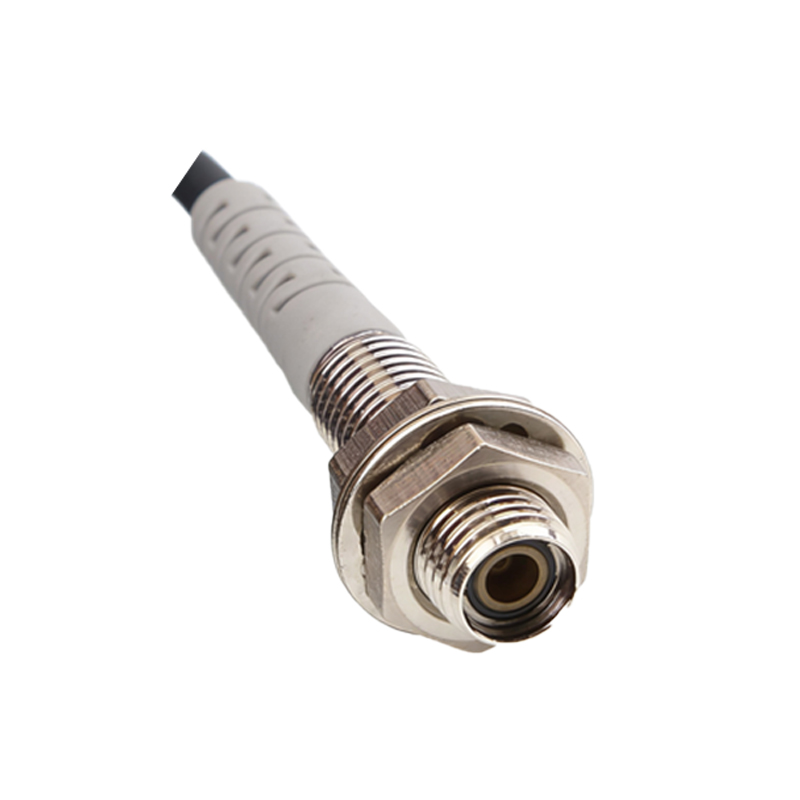
EXA photoelectric sensors operate based on three primary detection modes: through-beam, retro-reflective, and diffuse. In through-beam mode, a transmitter and receiver are placed opposite each other, detecting objects when the light beam is interrupted. Retro-reflective sensors use a reflector to bounce the beam back to the receiver, while diffuse sensors rely on the reflection from the target object itself. Each mode provides distinct advantages: through-beam offers the longest range, retro-reflective simplifies installation, and diffuse works well for short-range applications with irregular surfaces.
Core Technical Specifications
Typical EXA photoelectric sensors feature sensing distances ranging from 0.1 meters to over 20 meters, depending on the model. They support various light sources including infrared, red LED, and laser, with response times as fast as 0.5 milliseconds. The sensors operate on supply voltages of 10-30 VDC and provide outputs such as NPN, PNP, or analog signals. IP67 and IP69K ratings ensure protection against dust and high-pressure water jets, making them suitable for washdown environments in food processing and pharmaceutical industries.
Installation and Configuration Best Practices
Proper installation is critical for optimal sensor performance. Mount the sensor on a stable bracket to minimize vibration, and ensure the optical path is free from obstructions like dust, oil, or condensation. For through-beam systems, align the transmitter and receiver within a tolerance of ±2 degrees. Use the built-in sensitivity adjustment potentiometer to fine-tune detection thresholds, especially in diffuse mode where background interference is common. Regularly clean the lens with a soft, lint-free cloth to maintain signal integrity.
Common Troubleshooting and Maintenance
If an EXA sensor fails to detect consistently, first check for misalignment, dirty optics, or power supply issues. A flashing LED indicator often signals weak signal strength or overload. For retro-reflective models, ensure the reflector is not damaged or covered. In high-ambient-light conditions, use a polarizing filter to reduce false triggers. Scheduled maintenance every 3-6 months includes verifying cable integrity, tightening connectors, and testing response times with a calibration target.
Advantages in Industrial Automation
EXA photoelectric sensors offer superior immunity to electrical noise compared to inductive proximity sensors, making them ideal for environments with heavy machinery. Their non-contact operation eliminates wear and tear, reducing downtime and replacement costs. Additionally, the ability to detect transparent objects like glass bottles or clear films gives EXA sensors a unique edge in packaging lines. Many models include IO-Link communication for real-time diagnostics and remote parameter adjustment, integrating seamlessly with PLC and SCADA systems.
Selecting the Right EXA Sensor for Your Application
When choosing an EXA photoelectric sensor, consider the target material, color, and surface finish. Shiny or mirrored surfaces may require polarized retro-reflective sensors, while dark or matte objects benefit from high-gain diffuse models. For long-range outdoor detection, laser-based sensors provide focused beams with minimal divergence. Always consult the sensor’s datasheet for operating temperature range, typically -25°C to +55°C, and verify compatibility with existing control systems.
Future Trends and Innovations
The latest EXA sensor developments include miniaturized designs for space-constrained applications, smart sensors with built-in self-diagnostics, and multi-beam arrays for 3D object profiling. Integration with Industry 4.0 protocols allows predictive maintenance through data analytics. As manufacturing evolves toward greater automation, EXA photoelectric sensors will continue to play a pivotal role in enhancing efficiency, safety, and quality control.