Introduction to Adjustable Height Photoelectric Sensors
In modern industrial automation, conveyor belt systems rely heavily on accurate object detection for efficient material handling. Photoelectric sensors are essential components that detect the presence, position, or absence of items on moving belts. However, fixed-height sensors often fail in dynamic environments where product sizes or belt tensions vary. This article explores the design, installation, and benefits of adjustable height photoelectric sensors, providing a technical overview for engineers seeking to optimize conveyor performance. By allowing vertical adjustment, these sensors enhance flexibility, reduce downtime, and improve detection accuracy across diverse applications.
Key Design Features and Components
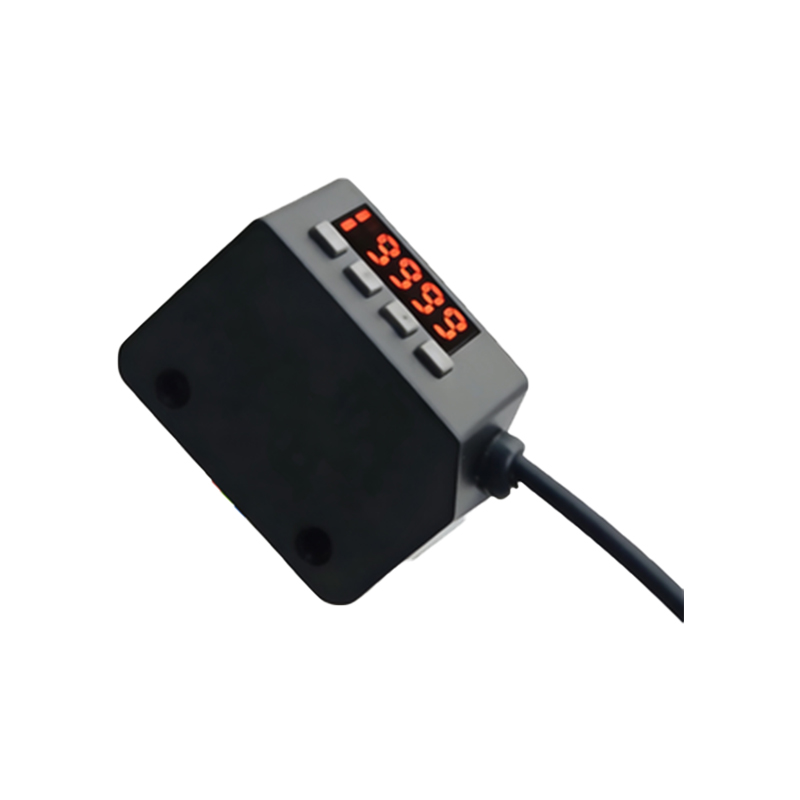
Adjustable height photoelectric sensors incorporate a robust mechanical mounting system that enables vertical repositioning without tools. Typically, they include a sliding bracket with a lockable knob or a threaded rod mechanism, allowing fine-tuning from 50 mm to 300 mm above the belt surface. The sensor housing is usually IP67-rated, ensuring protection against dust and water jets common in washdown environments. Models often feature a built-in indicator LED for alignment status and an M8 or M12 connector for easy integration with programmable logic controllers (PLCs). The optical design may use through-beam, retro-reflective, or diffuse reflection modes, each suited for specific object characteristics like transparency, color, or surface texture.
Installation Process and Calibration
To install an adjustable height sensor, first mount the bracket onto the conveyor frame using provided slots or clamps. Position the sensor so its beam path aligns with the target objects at the desired detection point. Loosen the adjustment mechanism, slide the sensor vertically until the beam sits just above the belt surface for small items or higher for bulky packages, then tighten the lock. Connect the sensor to the power supply (typically 10-30 VDC) and the PLC input. Calibration involves testing with sample products: adjust the sensitivity potentiometer or set the switching distance via a teach button until reliable detection occurs. For best results, ensure the sensor and reflector (if used) are clean and free from misalignment caused by vibrations.
Performance Advantages in Dynamic Conveyor Systems
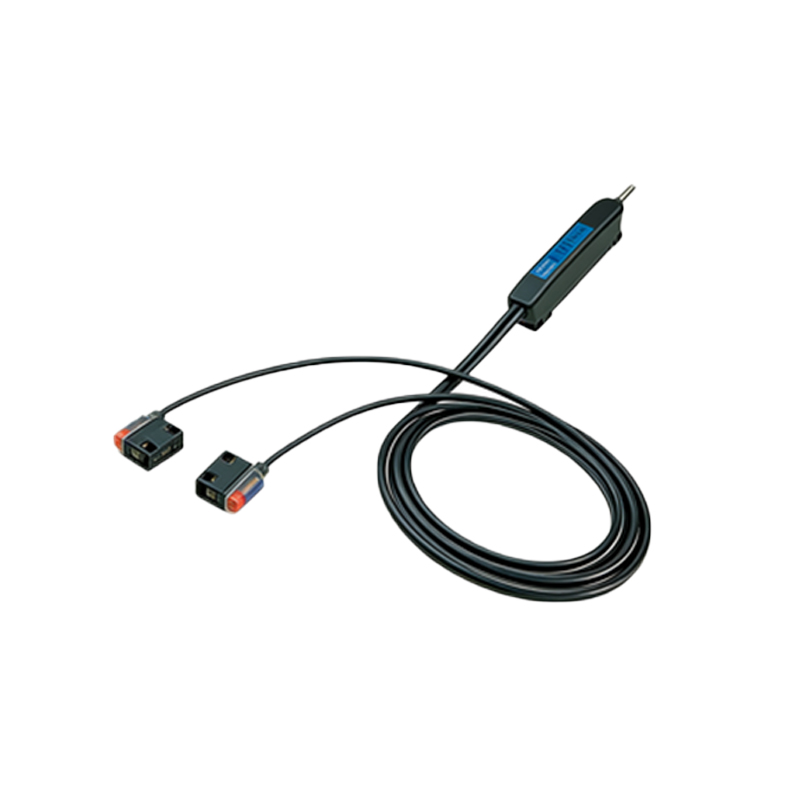
The primary benefit of adjustable height sensors is their ability to adapt to changing production requirements. When a line switches from handling flat boxes to tall containers, operators can quickly relocate the sensor without dismantling the entire setup. This minimizes downtime and eliminates the need for multiple fixed sensors. Additionally, proper height adjustment reduces false triggers caused by belt sag or product bounce. For example, setting the sensor too low may detect belt surface imperfections, while too high might miss low-profile items. Field data shows that adjustable sensors improve detection reliability by up to 25% compared to fixed units in mixed-product lines.
Common Applications and Industry Use Cases
These sensors find extensive use in automotive assembly, food packaging, and logistics centers. In automotive, they verify part presence on assembly conveyors where car bodies vary in height during production. In food packaging, adjustable sensors handle different package sizes on the same line, such as boxes, bags, or trays. In warehouse sorting systems, they detect parcel heights for dimensioning scanners. For dusty environments like sawmills, explosion-proof models are available. Engineers should select sensor types based on material reflectivity: background suppression sensors work well for shiny surfaces, while polarized retro-reflective models suit transparent films.
Troubleshooting and Maintenance Tips
Common issues include intermittent detection or no output. First, check power and wiring connections. Then verify the sensor height: if items pass without detection, lower the unit slightly; if false signals occur, raise it. Clean the optical lenses or reflectors with a lint-free cloth and isopropyl alcohol. Ensure the conveyor belt is not vibrating excessively, which may require dampening mounts. For sensors with adjustable sensitivity, reduce gain in high-ambient-light conditions. Record calibration settings for each product changeover to streamline future adjustments. Regular preventive maintenance every three months includes inspecting brackets for corrosion and testing switching frequency.
Conclusion and Future Trends
Adjustable height photoelectric sensors offer a cost-effective solution for modern conveyor systems requiring rapid reconfiguration. Their mechanical simplicity and electrical compatibility with existing automation infrastructure make them a preferred choice among engineers. Future developments include wireless adjustment using Bluetooth or RFID technology, enabling remote height changes from a central control room. Additionally, sensors with integrated AI can self-calibrate based on product profile data, further reducing human intervention. For now, mastering the installation and calibration of these sensors ensures optimal conveyor line efficiency and reduces operational costs in manufacturing and logistics.