Introduction to Miniature Photoelectric Sensors
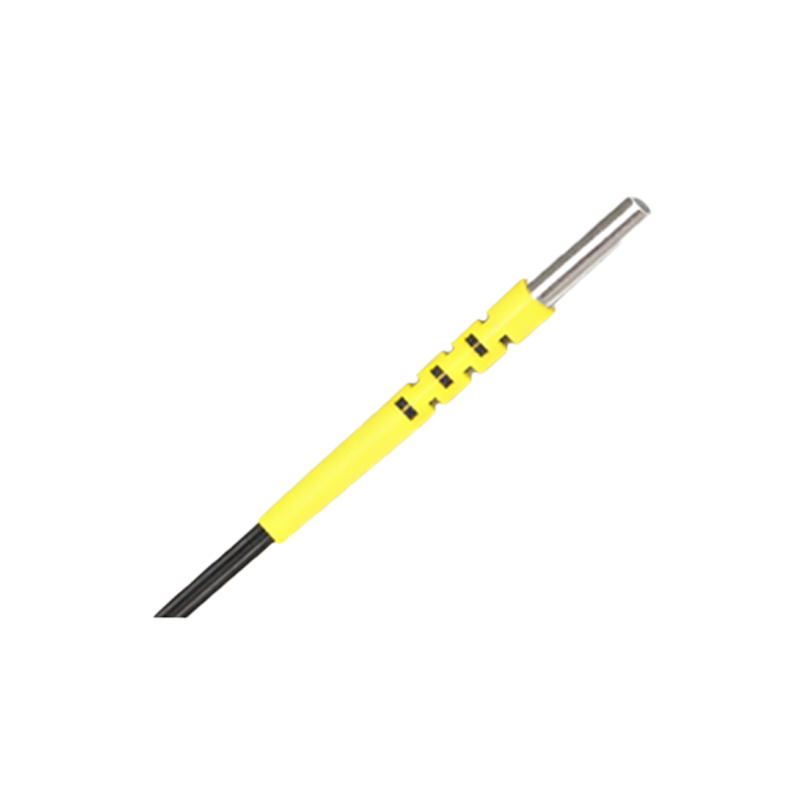
Miniature photoelectric sensors have become indispensable components in modern industrial automation, offering compact size, high precision, and reliable detection. As a senior electrical engineer, I’ve witnessed the evolution from bulky, power-hungry units to today’s sleek, energy-efficient devices. These sensors, typically measuring under 10 mm in diameter, use light (visible or infrared) to detect objects without physical contact, making them ideal for tight spaces in assembly lines, packaging machines, and robotic systems.
Key Features of Advanced Miniature Sensors
Leading manufacturers now integrate cutting-edge technologies such as laser-based detection, background suppression, and IO-Link communication. For instance, the latest models offer sensing ranges up to 2 meters while consuming less than 20 mA. They also boast IP67 or IP69K ratings, ensuring operation in dusty, wet, or high-temperature environments. The use of durable materials like stainless steel or reinforced plastics extends their lifespan beyond 50,000 hours under continuous use.
Top Manufacturers Driving Innovation
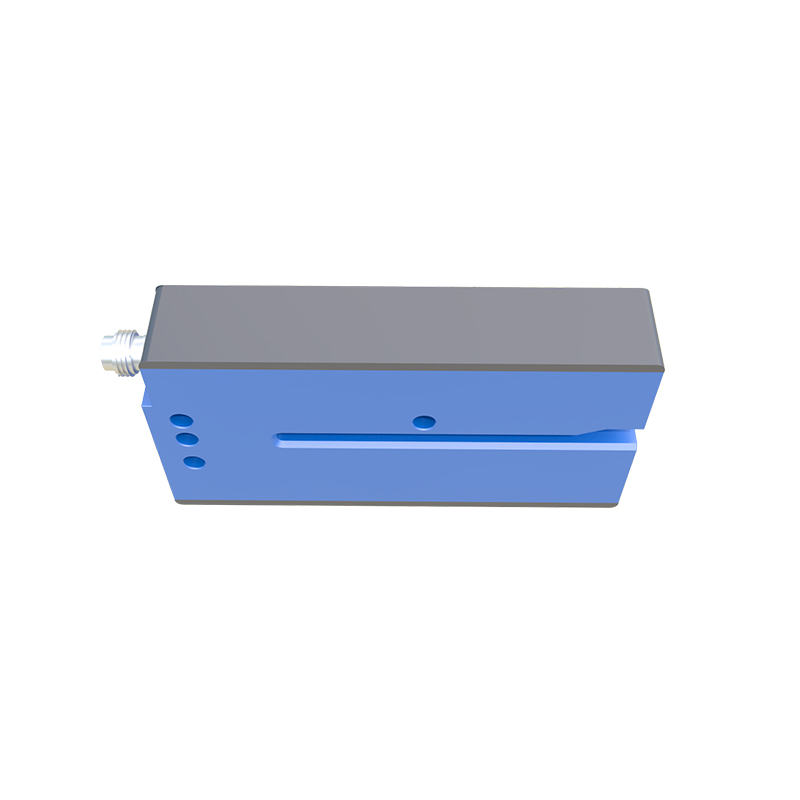
Companies like SICK, Banner Engineering, and Keyence are at the forefront, each offering unique advantages. SICK’s W4F series provides precise background suppression for transparent object detection, while Banner’s QT50 series excels in long-range applications. Keyence’s LR-Z series integrates amplifier functionality directly into the sensor body, reducing wiring complexity. A newer player, Pepperl+Fuchs, has developed sensors with integrated LED status indicators and smart diagnostics, simplifying maintenance for engineers.
Selection Criteria for Industrial Applications
When choosing a miniature photoelectric sensor, consider factors like sensing mode (through-beam, retro-reflective, or diffuse), output type (NPN, PNP, or IO-Link), and environmental resistance. For example, through-beam sensors are best for long distances but require alignment, while diffuse sensors are ideal for short-range detection of irregular objects. Always verify response time—most modern sensors achieve sub-millisecond speeds, critical for high-speed conveyor systems.
Benefits of Partnering with Specialized Manufacturers
Working with dedicated miniature sensor manufacturers ensures access to custom configurations, such as right-angle optics or ultra-short housing designs. They also offer technical support for system integration, including mounting brackets and cable management solutions. Moreover, these companies often provide extensive test data and certifications (e.g., CE, UL), reducing compliance risks for global projects.
Future Trends in Sensor Technology
The industry is moving toward smart sensors with embedded AI for adaptive detection and predictive maintenance. Miniature models will likely shrink further while incorporating multi-spectral sensing (visible + infrared) for better discrimination of materials. Wireless connectivity (e.g., Bluetooth 5.0) is also emerging, enabling remote monitoring and firmware updates without disrupting production lines.
Conclusion: Why Quality Matters
As an engineer, I recommend investing in sensors from reputable manufacturers to avoid false triggers, downtime, and calibration issues. The upfront cost is offset by long-term reliability, reduced maintenance, and improved throughput. Always request sample units for field testing before large-scale deployment to ensure compatibility with your specific environment.