Introduction to Photoelectric Sensors
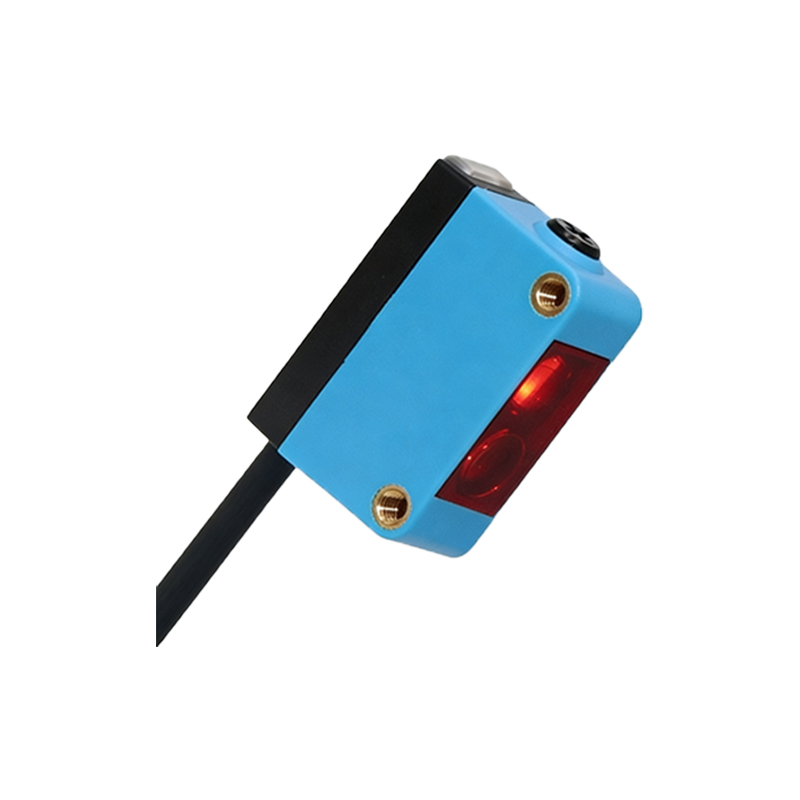
Photoelectric sensors are essential components in modern industrial automation, providing reliable non-contact detection of objects, materials, and distances. As a standard type, these sensors use light beams to sense presence, absence, or changes in targets, making them ideal for applications ranging from packaging lines to conveyor systems. They operate on the principle of emitting a light source, typically infrared or visible red, and detecting either the reflected or interrupted beam.
Types of Standard Photoelectric Sensors
The most common standard photoelectric sensors include three primary configurations: through-beam, retro-reflective, and diffuse reflective. Through-beam sensors consist of a separate emitter and receiver, offering the longest sensing range and highest immunity to contamination, ideal for harsh environments. Retro-reflective sensors use a reflector to bounce the beam back to the receiver, providing a balance between range and simplicity. Diffuse reflective sensors rely on the target itself to reflect light, making them suitable for short-range detection of objects with varying surfaces.
Key Operating Principles
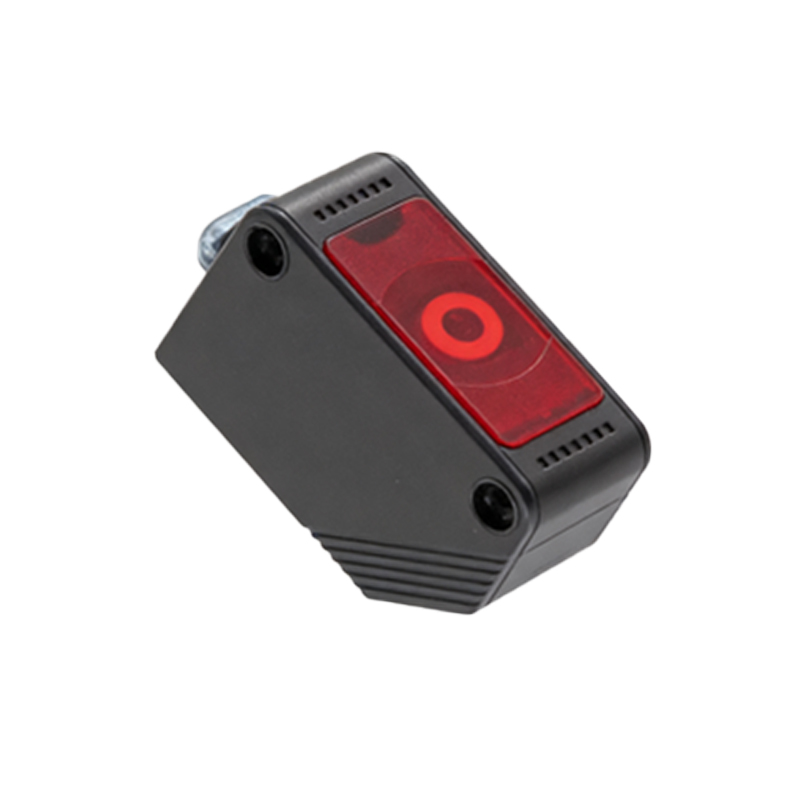
In standard photoelectric sensors, the emitter generates a modulated light beam to avoid interference from ambient light. The receiver detects changes in light intensity or beam interruption. For through-beam types, detection occurs when the target blocks the beam. Retro-reflective sensors detect when an object interrupts the beam path to the reflector. Diffuse sensors use the target's reflectivity to trigger a signal. These principles ensure consistent performance across dust, moisture, and varying temperatures.
Common Applications in Industry
Standard photoelectric sensors are widely deployed in manufacturing, logistics, and packaging. They count products on conveyor belts, detect bottle caps in filling lines, and verify part presence in assembly stations. Their non-contact nature reduces wear and tear, while high switching frequencies support fast-paced production. In automotive assembly, they monitor robotic arm positions, and in warehouse automation, they guide automated guided vehicles (AGVs).
Selecting the Right Sensor
When choosing a standard photoelectric sensor, consider factors like sensing distance, target material, and environmental conditions. Through-beam sensors excel for long-range up to 30 meters or more, while retro-reflective models work well in medium ranges up to 10 meters. Diffuse sensors are best for short-range up to 2 meters. Additionally, evaluate IP ratings for dust and water ingress, and output types such as NPN or PNP for compatibility with control systems.
Installation and Maintenance Tips
Proper alignment is critical for reliable operation. For through-beam and retro-reflective sensors, ensure the emitter and receiver or reflector are precisely aligned. Use mounting brackets to minimize vibration effects. Regular cleaning of lens surfaces with a soft cloth prevents buildup that can degrade performance. Avoid direct exposure to strong sunlight or other intense light sources to prevent false triggering. Conduct periodic testing to verify sensitivity and response time.
Future Trends in Photoelectric Sensing
Advancements in standard photoelectric sensors include integration with IoT for remote monitoring and diagnostics. Smart sensors with IO-Link communication enable parameter adjustments and data logging. Miniaturization allows embedding sensors in tight spaces, while enhanced algorithms improve detection of transparent or low-reflectivity objects. These trends align with Industry 4.0, driving greater efficiency and predictive maintenance in automated systems.