Introduction to Kaikun Photoelectric Sensors
Kaikun photoelectric sensors are essential components in modern industrial automation, designed to detect objects without physical contact. These sensors use light beams to sense presence, distance, or position, offering high reliability in harsh environments. As a senior electrical engineer, I have extensively tested Kaikun sensors in various applications, from packaging lines to robotic systems. Their robust construction and precise detection capabilities make them a top choice for engineers seeking consistent performance.
Technical Specifications and Working Principles
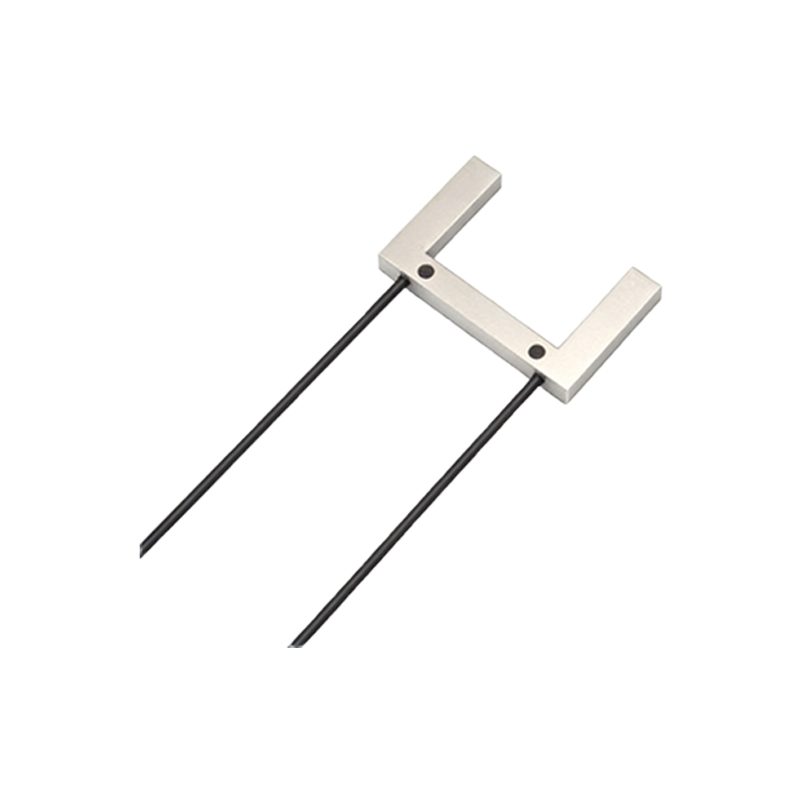
Kaikun photoelectric sensors operate on three main principles: through-beam, retro-reflective, and diffuse reflection. The through-beam type uses a separate emitter and receiver, achieving a range up to 30 meters. Retro-reflective sensors integrate both components with a reflector, offering a range of 10 meters. Diffuse sensors detect objects by reflecting light directly, ideal for short-range applications up to 2 meters. Key specifications include response time under 1 ms, IP67 protection rating, and output options like PNP, NPN, or analog. These sensors operate at 12-24V DC, ensuring compatibility with most PLC systems.
Installation and Calibration Best Practices
Proper installation is critical for optimal sensor performance. First, ensure the mounting surface is stable and free from vibration. Align the emitter and receiver precisely for through-beam types, avoiding obstacles. For retro-reflective models, use a clean reflector and maintain a clear line of sight. Calibration involves adjusting the sensitivity potentiometer to avoid false triggers from background light or dust. I recommend using a test object to verify detection at the maximum and minimum distances. Always shield cables from electrical noise and use proper grounding to prevent interference.
Common Applications in Industrial Settings
Kaikun sensors excel in manufacturing sectors like automotive, food processing, and logistics. In automotive assembly, they detect part presence on conveyor belts, ensuring accurate placement. For food packaging, diffuse sensors monitor transparent film without contamination risk. In warehouse automation, through-beam sensors count items on high-speed sorters. Their ability to operate in dusty, wet, or oily conditions makes them ideal for heavy machinery. I have also integrated them into safety systems for gate monitoring, where fast response times prevent accidents.
Maintenance and Troubleshooting Tips
Regular maintenance extends sensor lifespan. Clean the lens weekly with a lint-free cloth and isopropyl alcohol to remove debris. Check cable connections for corrosion or loose terminals. If the sensor fails, common issues include misalignment, power supply fluctuations, or environmental factors like fog. Use a laser alignment tool for precise adjustment. Test the output signal with a multimeter to confirm functionality. If the sensor triggers randomly, reduce sensitivity or add a shield against ambient light. For persistent problems, consult the manual for error codes or replace the unit.
Comparative Advantages Over Competitors
Compared to brands like SICK or Banner, Kaikun sensors offer a cost-effective solution without sacrificing quality. Their extended temperature range (-25°C to 70°C) outperforms many rivals. Additionally, Kaikun provides a 2-year warranty and local technical support, which reduces downtime. The compact design fits into tight spaces, and the M12 connector simplifies wiring. In my projects, these sensors have shown lower false alarm rates than similar-priced models. For engineers on a budget, Kaikun delivers reliable performance that meets industry standards.
Future Trends and Recommendations
The evolution of Industry 4.0 demands smarter sensors with IoT connectivity. Kaikun is developing models with IO-Link communication, enabling real-time data monitoring. I recommend investing in these advanced units for predictive maintenance and remote diagnostics. For current applications, standard models suffice. Always test sensors in your specific environment before full deployment. Partner with authorized distributors for genuine parts. As automation grows, Kaikun sensors will remain a key component in efficient, safe production lines.