Introduction to 8mm Gap Photoelectric Sensors
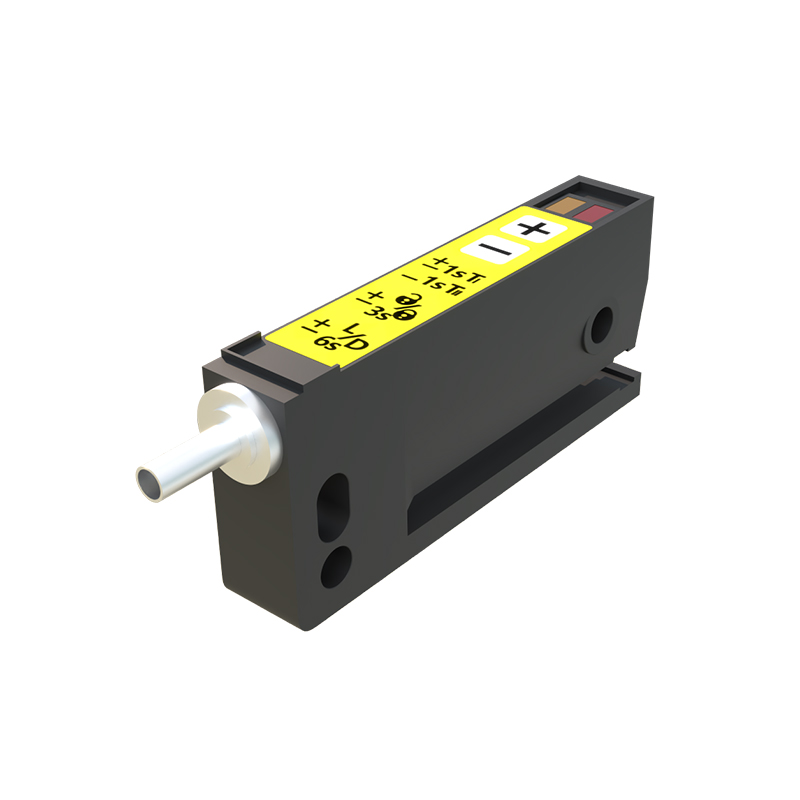
In the realm of industrial automation, precision and reliability are paramount. The 8mm gap photoelectric sensor, a specialized component in the sensor family, offers distinct advantages for applications requiring fine object detection. Unlike standard sensors, the 8mm gap configuration provides a defined sensing window, minimizing interference from surrounding objects and ensuring accurate triggering. This design is particularly beneficial in high-speed packaging lines, assembly processes, and material handling systems where space is constrained and repeatability is critical.
Working Principle and Optical Design
The 8mm gap photoelectric sensor operates on a through-beam or retro-reflective principle, with an emitter and receiver precisely spaced 8mm apart. The emitter projects a focused infrared or visible light beam across the gap. When an object passes through this gap, it interrupts the beam, causing the receiver to change its output state. The narrow gap reduces the risk of false signals from ambient light or dust, as the optical path is highly confined. Advanced models incorporate modulated light and synchronization circuits to enhance noise immunity, making them suitable for harsh industrial environments.
Key Technical Specifications and Performance
Typical 8mm gap sensors feature a switching frequency up to 1 kHz, response times under 0.5 ms, and a sensing distance of 8mm ± 1mm. They support NPN or PNP output configurations, with operating voltages from 10-30 VDC. The sensors are often housed in compact, rugged metal or plastic enclosures with IP67 protection, ensuring resistance to moisture and particulate matter. Some variants include built-in LED indicators for status monitoring and teach-in buttons for fine-tuning sensitivity.
Installation and Integration Best Practices
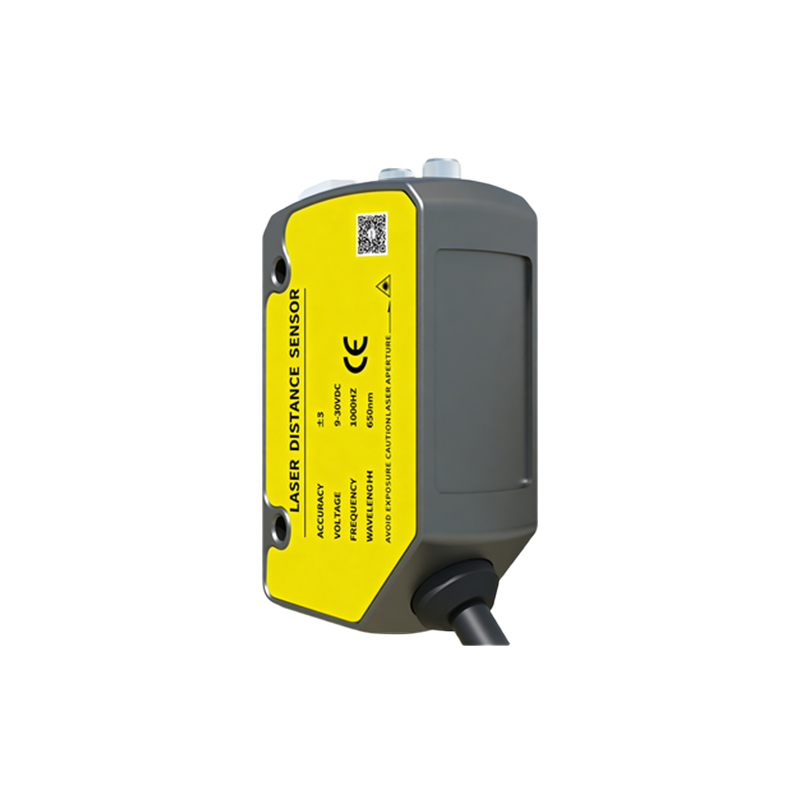
For optimal performance, mount the sensor with the emitter and receiver aligned precisely, maintaining the 8mm clearance. Use vibration-dampening brackets to prevent misalignment from machine oscillations. Connect the output to a PLC or counter module, ensuring proper pull-up or pull-down resistors. Calibrate the sensor by adjusting the threshold to the midpoint of the gap, verifying with a test object. Regularly clean the optical surfaces with a lint-free cloth to avoid accumulation of oil or dust.
Application Scenarios in Industry
Common applications include detecting small parts in automated assembly, such as screws, springs, or electronic components. In printing and labeling machines, the 8mm gap sensor ensures precise registration marks. It is also used in packaging for detecting film breaks or product presence in tight spaces. The sensor excels in environments with limited access, such as inside conveyor rollers or robotic grippers.
Troubleshooting and Maintenance Tips
If the sensor fails to trigger, check for emitter-receiver misalignment or contamination on the lens. Use a multimeter to verify the supply voltage and output signal. For intermittent faults, inspect the cable for damage or loose connections. Replace the sensor if internal components degrade due to thermal cycling. Implement a scheduled cleaning and calibration routine every 500 operating hours to maintain accuracy.
Conclusion and Future Trends
The 8mm gap photoelectric sensor remains a vital tool for precise detection in confined spaces. Future developments may include integration with IO-Link for real-time diagnostics and adaptive sensitivity based on environmental feedback. As automation demands increase, these sensors will evolve with smarter electronics, offering even higher resolution and reliability for critical control systems.