Introduction to Photoelectric Sensors
Photoelectric sensors are essential components in modern industrial automation, utilizing light beams to detect the presence, absence, or distance of objects. As an electrical engineer, I have seen their reliability in harsh environments, offering non-contact detection across various materials, including metals, plastics, and glass. These sensors operate by emitting a light source, typically visible red or infrared, and analyzing the reflected or interrupted beam to trigger control systems.
Through-Beam Sensors: High Reliability and Long Range
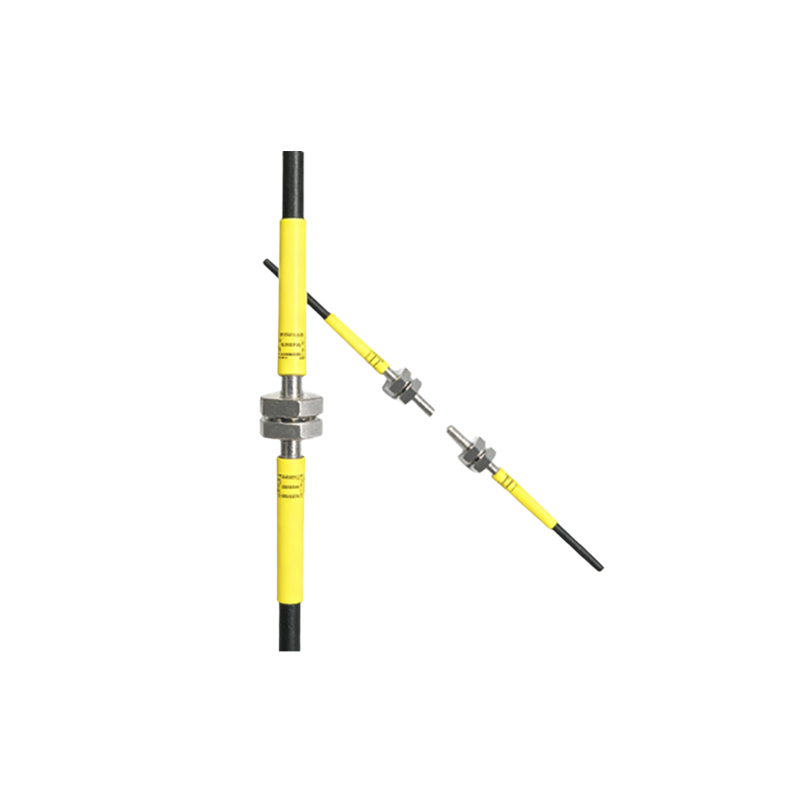
Through-beam sensors consist of a separate emitter and receiver positioned opposite each other. The emitter sends a continuous light beam to the receiver; when an object interrupts this beam, the sensor output changes. This type provides the longest sensing range, often exceeding 30 meters, and is immune to target surface conditions, making it ideal for detecting opaque objects in dusty or dirty environments, such as conveyor belt monitoring in mining or logistics. However, installation requires precise alignment and wiring for both units.
Retro-Reflective Sensors: Simplified Installation with Reflector
Retro-reflective sensors combine the emitter and receiver in a single housing, using a reflector placed opposite to bounce the light back. The sensor detects objects when the beam is broken by a target. These sensors offer a moderate sensing range, typically up to 10 meters, and are easier to install than through-beam types. They are commonly used in packaging lines for detecting boxes or bottles, but may struggle with highly reflective objects that can cause false triggers. Polarized filters can mitigate this issue for shiny surfaces.
Diffuse Reflective Sensors: Compact and Versatile
Diffuse reflective sensors, also called proximity photoelectric sensors, house both emitter and receiver in one unit. The emitted light reflects off the target itself, and the sensor detects changes in reflected light intensity. These sensors are compact, with a range typically under 2 meters, and are ideal for short-range detection of objects with varying colors or shapes. Applications include part presence detection in automated assembly, product counting on vibratory feeders, and level detection in transparent containers. Their performance depends on target reflectivity and background interference.
Specialized Types: Background Suppression and Fiber Optic Sensors
Background suppression sensors use triangulation to precisely detect objects at a fixed distance, ignoring backgrounds beyond that point. This is critical for applications like detecting small parts on a conveyor without false triggers from the belt. Fiber optic sensors use separate optical fibers to transmit light, allowing placement in confined spaces or high-temperature areas up to 250°C. They are widely used in semiconductor manufacturing, medical device inspection, and food processing where hygiene is paramount.
Application Guidelines and Selection Criteria
When selecting a photoelectric sensor, consider the environment (dust, moisture, lighting), target material (opaque, transparent, reflective), and required range. For harsh outdoor use, IP67-rated sensors with rugged housings are recommended. Adjustable sensitivity and response time are key for high-speed applications. Always test with actual objects to avoid interference from stray light or vibrations. In my experience, retro-reflective sensors are a cost-effective default, but through-beam types are best for critical safety applications requiring fail-safe operation.
Conclusion: Optimizing Automation with Photoelectric Sensors
Understanding the classification and strengths of each photoelectric sensor type enhances system reliability and efficiency. From long-range through-beam to compact diffuse reflective, and specialized background suppression fiber optics, these devices are integral to Industry 4.0. Proper selection ensures seamless integration into PLC-based control systems, reducing downtime and improving product quality. As automation evolves, photoelectric sensors remain a trusted solution for non-contact detection.