Understanding the Photoelectric Sensor Technology
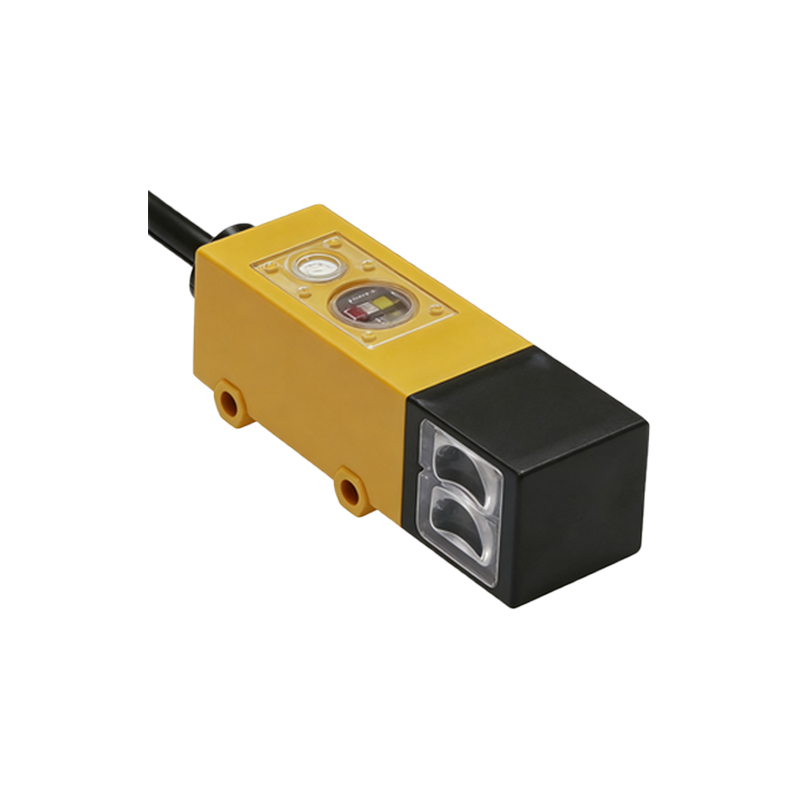
In the realm of industrial marking, precision and adaptability are paramount. The photoelectric sensor handheld inkjet printer represents a significant leap forward, integrating advanced optical sensing with portable printing capabilities. Unlike traditional contact-based markers, this device uses a photoelectric sensor to detect the surface and position of the target object. The sensor emits a beam of light, typically infrared or visible, and measures the reflected signal to determine the exact distance and angle. This real-time data allows the printer to adjust ink deposition accurately, even on uneven or moving surfaces. For electrical engineers, this means reduced setup time and fewer rejects due to misalignment, making it ideal for batch production environments where consistency is critical.
Key Components and Operational Workflow
The system comprises three core modules: the handheld printhead, the control unit, and the photoelectric sensor array. The printhead houses a high-resolution nozzle that ejects ink droplets at controlled intervals, often using piezoelectric or thermal technology. The photoelectric sensor, mounted near the nozzle, continuously scans the substrate to provide feedback on surface texture and distance. The control unit processes this data and synchronizes the printhead movement, ensuring that characters and codes are printed with sub-millimeter accuracy. During operation, the operator simply swipes the device across the product, and the sensor automatically compensates for manual speed variations. This minimizes human error and enhances throughput, a key advantage in fast-paced assembly lines.
Application Scenarios in Electrical Engineering
Photoelectric sensor handheld inkjet printers excel in environments where fixed-line marking machines are impractical. For example, on large-scale electrical panels or cable trays, engineers can mark labels, serial numbers, or safety warnings directly onto curved or vertical surfaces. The sensor’s ability to work with low-contrast materials, such as dark plastic or matte metal, is particularly valuable. In maintenance and repair tasks, the handheld design allows for on-the-spot identification of components, reducing downtime. Furthermore, the printer supports various ink formulations, including UV-curable and solvent-based options, ensuring durability against heat, moisture, and chemical exposure typical in substations or manufacturing floors.
Advantages Over Conventional Marking Methods
Compared to stencil or laser marking, this technology offers distinct benefits. First, the contact-free nature prevents damage to sensitive components, such as circuit boards or insulation layers. Second, the photoelectric sensor eliminates the need for physical guides or jigs, cutting changeover time between product runs by up to 50%. Third, the handheld form factor enhances mobility, allowing operators to mark items in hard-to-reach locations without disassembly. From a cost perspective, inkjet consumables are generally less expensive than laser tube replacements, and the system can print variable data, like QR codes or date stamps, without manual reprogramming. This flexibility aligns with lean manufacturing principles, reducing waste and improving traceability.
Maintenance and Best Practices
To ensure long-term reliability, electrical engineers should follow routine maintenance protocols. The photoelectric sensor lens must be cleaned regularly with isopropyl alcohol to prevent dust or ink buildup from causing false readings. The ink supply system should be purged weekly to avoid clogging, especially when using fast-drying inks. Calibration checks are recommended after every 100 hours of operation, using a standard test pattern to verify print quality. Additionally, storing the device in a temperature-controlled environment (15-30 degrees Celsius) extends component life. By adopting these practices, users can achieve over 10,000 hours of service life, making the investment highly cost-effective for continuous industrial use.