Understanding Thermal Challenges in Industrial Settings
Photoelectric sensors, essential for automation and object detection, are vulnerable to performance degradation in high-temperature environments. Prolonged exposure to heat can cause electronic component drift, false triggering, or complete failure. Industrial applications such as foundries, glass manufacturing, and near ovens require robust thermal management to maintain sensor accuracy and reliability. The primary challenge lies in balancing sensitivity with heat tolerance, as standard sensors may exceed their rated temperature range quickly.
Selecting Heat-Resistant Sensor Components
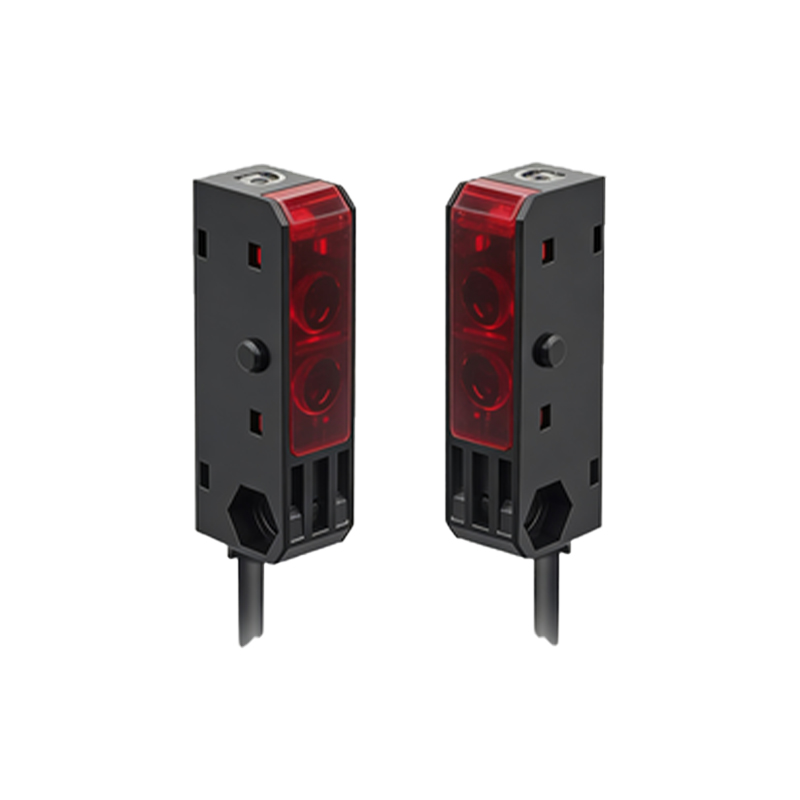
The first line of defense is choosing sensors designed with high-temperature materials. Look for models with built-in thermal barriers, ceramic housings, or metal casings that dissipate heat effectively. Sensors with silicon carbide or gallium nitride semiconductor components offer extended operating ranges up to 150°C or more. Additionally, integrated temperature compensation circuits can adjust signal processing to minimize drift. Always verify the datasheet's maximum ambient temperature rating and derate for prolonged exposure.
Implementing Active Cooling Methods
For extreme conditions, active cooling is necessary. Compressed air cooling uses directed airflow to remove heat from the sensor head, often via vortex tubes that produce cold air streams. Water-cooled jackets, though more complex, provide consistent thermal control for sensors near melting processes. Another effective technique is using heat sinks attached to the sensor body, combined with forced ventilation fans. These methods require careful integration to avoid condensation or airflow interference with the sensor's optical path.
Optimizing Mounting and Positioning
Physical placement significantly affects sensor temperature. Mount sensors away from direct heat sources, using brackets that create air gaps for natural convection. Reflective shielding, such as polished aluminum or heat-resistant foils, can deflect radiant heat. For enclosed spaces, install heat shields or insulating barriers between the sensor and hot surfaces. Elevating the sensor above heat zones and using extended cable lengths to separate electronics from the detection head also reduce thermal stress.
Monitoring and Maintenance Protocols
Preventive maintenance ensures long-term cooling effectiveness. Install temperature probes near sensors to trigger alarms when thresholds approach limits. Regularly clean cooling fans and heat sinks to prevent dust accumulation, which acts as an insulator. Verify compressed air filters and check for leaks in water cooling systems. During shutdowns, inspect sensor seals for thermal degradation. Implementing a scheduled replacement plan for sensors in harsh environments can prevent unexpected failures.
Conclusion: A Systematic Approach
Effective photoelectric sensor cooling requires a combination of proper component selection, active thermal management, intelligent mounting, and vigilant maintenance. By assessing the specific thermal profile of each application, engineers can design solutions that maintain sensor performance, reduce downtime, and extend equipment lifespan. Always test cooling setups under worst-case conditions to validate reliability.