Introduction to Photoelectric Sensors in Laboratory Environments
Photoelectric sensors are pivotal components in modern laboratory instruments, converting light signals into electrical signals for precise measurement and control. From an electrical engineer's standpoint, these sensors function by emitting a beam of light, typically from an LED or laser diode, and detecting changes in the received light intensity caused by the presence, absence, or characteristics of an object. In laboratory settings, they enable non-contact detection, high-speed response, and accurate data acquisition, which are essential for experiments involving motion analysis, liquid level monitoring, and turbidity measurement.
Working Principle and Key Electrical Parameters
The core operating principle involves three main modes: through-beam, retro-reflective, and diffuse reflection. In through-beam mode, the transmitter and receiver are separate, offering the highest detection range and reliability. For electrical engineers, critical parameters include response time (typically in microseconds), sensing distance (from millimeters to meters), and output type (e.g., NPN, PNP, or analog voltage). The sensor's spectral sensitivity must match the light source wavelength, often around 650 nm for visible red or 940 nm for infrared. Understanding these specifications is vital for integrating sensors into laboratory circuits without signal degradation.
Applications in Laboratory Instrumentation
Photoelectric sensors find extensive use in spectroscopy, chromatography, and automated sample handlers. In spectrophotometers, they measure light absorption or transmission through samples, converting photocurrent into absorbance values. For liquid chromatography, they detect droplets or bubbles in fluid lines, ensuring consistent flow rates. In robotic labs, sensors trigger precise movements for plate handling or pipetting. Their immunity to electromagnetic interference and ability to operate in harsh conditions make them ideal for clean rooms and chemical analysis environments.
Design Considerations for Electrical Engineers
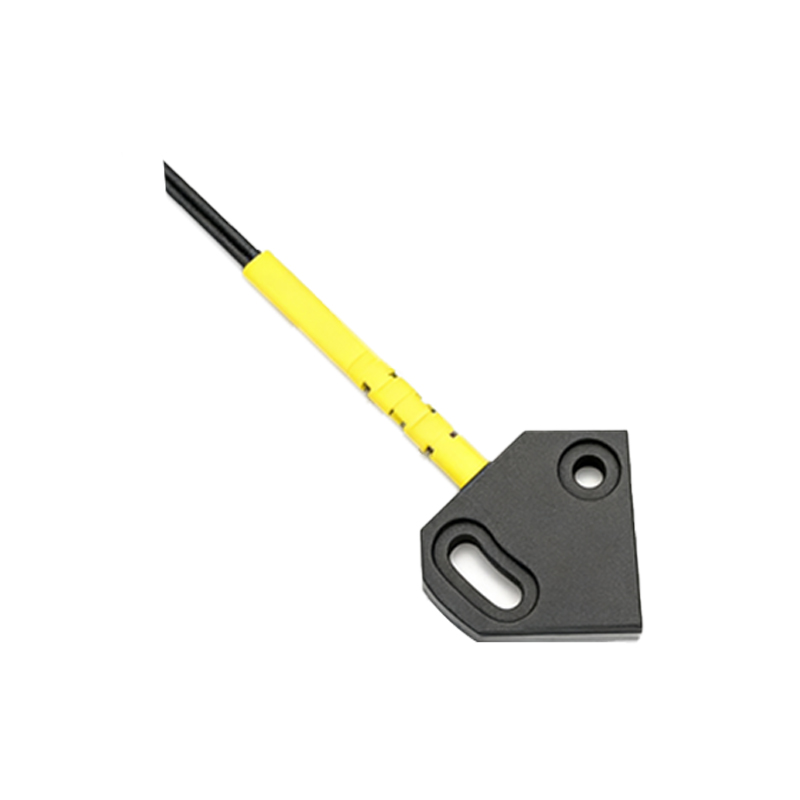
When selecting photoelectric sensors for lab instruments, engineers must evaluate ambient light rejection, temperature stability, and cable shielding. Many sensors include built-in amplifiers and filters to minimize noise from fluorescent lighting or sunlight. For high-speed applications, choosing sensors with response times below 1 ms is critical. Additionally, output interfaces should be compatible with microcontrollers or data acquisition systems, often using 4-20 mA loops or digital I/O. Proper grounding and decoupling capacitors are essential to prevent false triggering in sensitive circuits.
Future Trends and Innovation
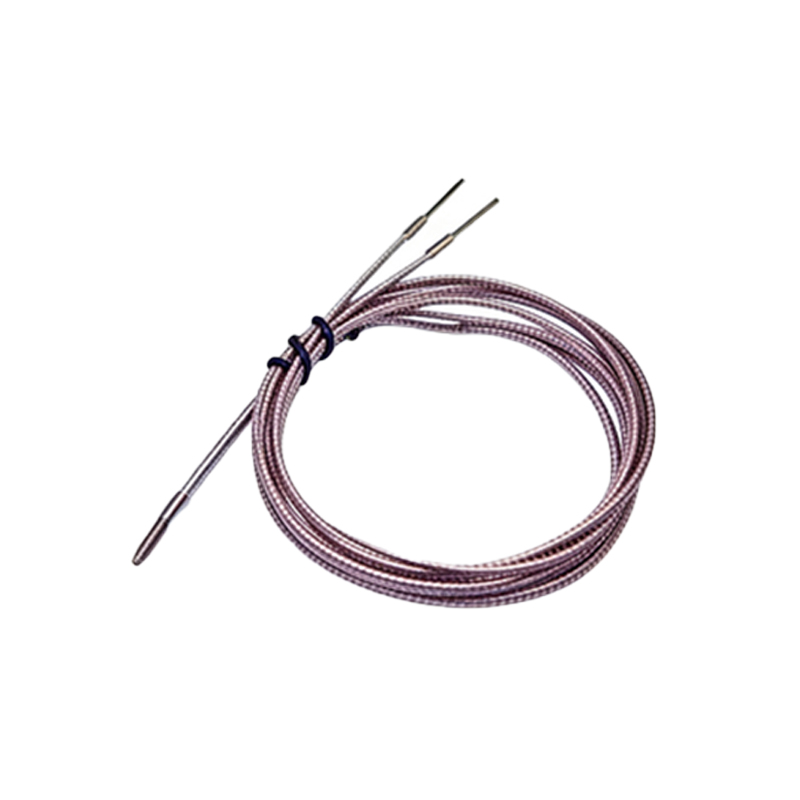
Recent advancements include smart sensors with integrated communication protocols like IO-Link, enabling real-time diagnostics and parameter adjustment. Fiber-optic photoelectric sensors are gaining traction for tiny space applications in microfluidic devices. Engineers are also exploring multi-spectral sensors that distinguish materials by their reflectivity at different wavelengths, enhancing laboratory automation. As labs adopt Industry 4.0 principles, these sensors will play a key role in predictive maintenance and data-driven experiments.
Conclusion
Photoelectric sensors are indispensable for achieving precision and reliability in laboratory instruments. Electrical engineers must prioritize sensor selection based on application-specific parameters, environmental factors, and integration ease. By leveraging these sensors, labs can improve throughput, reduce human error, and enable advanced measurement techniques. Continued innovation in optical and electronic design will further expand their capabilities in scientific research and industrial testing.