Introduction to Swing Gate Photoelectric Sensors
Swing gate photoelectric sensors are critical components in modern access control systems, particularly for pedestrian gates used in commercial, industrial, and transportation environments. These sensors utilize infrared or laser beams to detect the presence of objects or individuals within the gate's swing path. Unlike mechanical limit switches, they offer non-contact detection, reducing wear and tear while improving reliability. As an electrical engineer, I have implemented these sensors in high-traffic areas such as subway stations and office lobbies, where consistent performance under variable lighting and weather conditions is essential. The sensor typically consists of an emitter and a receiver, aligned to create an invisible detection zone. When the beam is interrupted, the sensor sends a signal to the gate controller to stop or reverse the gate motion, preventing collisions and ensuring user safety. Understanding the principles of operation, selection criteria, and installation best practices is key to optimizing system performance.
Working Principles and Detection Mechanisms
The core working principle of a swing gate photoelectric sensor relies on the interruption of a light beam between the emitter and receiver. Most sensors operate in the infrared spectrum, typically at wavelengths around 850 nm to 950 nm, to minimize interference from ambient light. There are two primary detection modes: through-beam and retro-reflective. In through-beam configurations, the emitter and receiver are separate units, providing a long detection range and high immunity to dust and dirt. Retro-reflective sensors combine both elements in one housing, using a reflector to bounce the beam back, which simplifies wiring but reduces range slightly. For swing gates, the sensor is often installed on the gate structure or the surrounding frame. The detection zone is calibrated to cover the entire swing arc, ensuring that any obstacle, even a small object like a briefcase or a child's hand, triggers a response. Advanced models include modulation techniques to filter out false triggers from sunlight or other IR sources, enhancing reliability. Engineers must also consider response time, which typically ranges from 10 ms to 100 ms, to match the gate's speed and stopping distance.
Key Selection Criteria for Industrial Applications
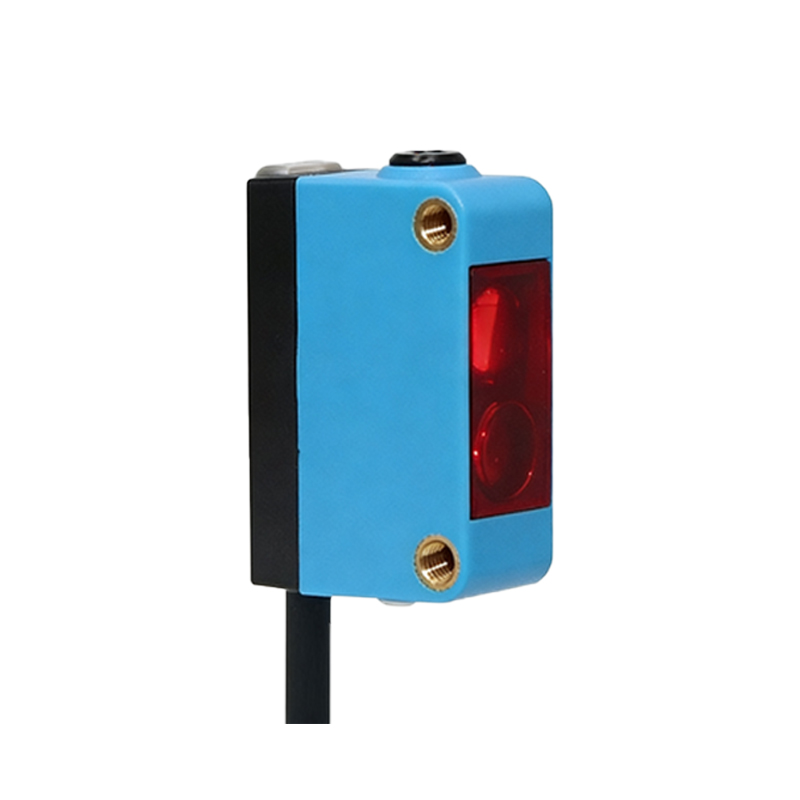
Choosing the right photoelectric sensor for a swing gate involves several technical parameters. First, the sensing range must match the gate's dimensions—typically 1 to 10 meters for pedestrian gates, though wider ranges are available for heavy-duty gates. Second, the environmental rating, indicated by IP (Ingress Protection) numbers such as IP65 or IP67, determines resistance to dust, water, and temperature extremes. For outdoor installations in harsh climates, sensors with built-in heating elements or anti-condensation coatings are recommended. Third, output type matters: PNP or NPN transistor outputs are common for connecting to PLCs or gate controllers, while relay outputs are preferred for direct control of motor circuits. Additionally, consider the sensor's immunity to electrical noise, as swing gates often operate near motors and power lines. Look for sensors with EMC compliance (e.g., IEC 60947-5-2) to prevent malfunction. Finally, ease of alignment and adjustment, such as visible LED indicators or potentiometer-based sensitivity settings, simplifies installation and maintenance. As a rule of thumb, always consult the gate manufacturer’s specifications to ensure compatibility.
Installation Best Practices and Wiring Tips
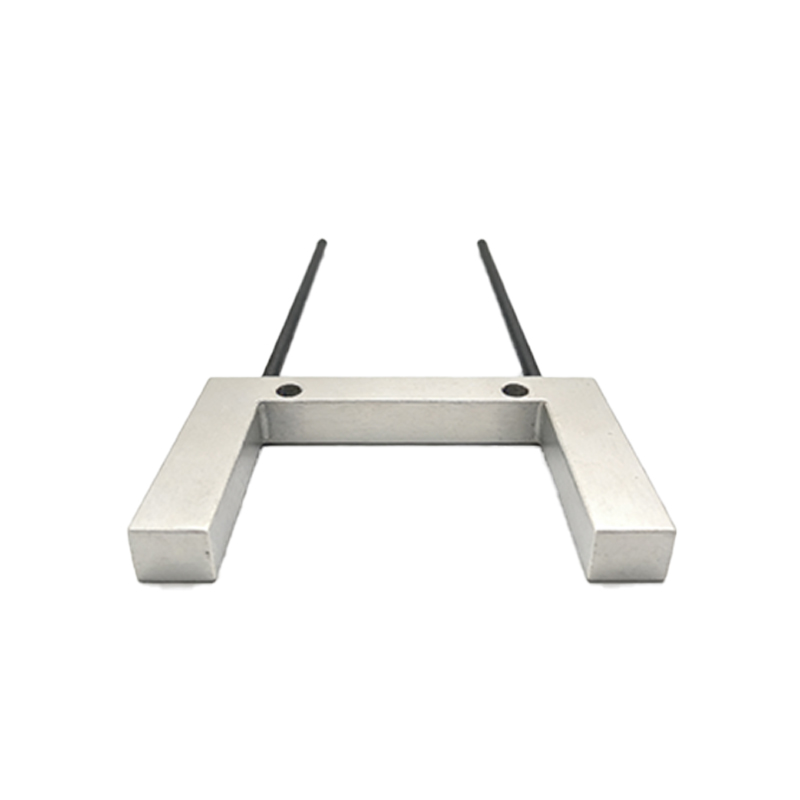
Proper installation is crucial for the reliable operation of swing gate photoelectric sensors. Begin by mounting the emitter and receiver securely on stable structures, avoiding vibrations that could misalign the beam. For through-beam sensors, ensure the optical axis is perfectly aligned using a laser pointer or alignment tool provided by the manufacturer. The sensor should be positioned at a height that covers the gate's entire swing path, typically 20–50 cm above the ground, to detect both pedestrians and small obstacles. Wiring must follow the sensor's datasheet: use shielded cables for signal lines to minimize interference from nearby power cables, and maintain a minimum separation distance of 30 cm from high-voltage lines. Connect the sensor to the gate controller's input terminals, ensuring correct polarity for DC-powered units. Test the system after installation by manually interrupting the beam at various points along the gate's arc. Calibrate the sensor's response time and sensitivity using any onboard trimmers or software settings. For multi-gate installations, label each sensor clearly to simplify troubleshooting. Always include a fail-safe mechanism, such as a normally closed (NC) output, so that a sensor failure triggers the gate to stop or open.
Common Issues and Troubleshooting Methods
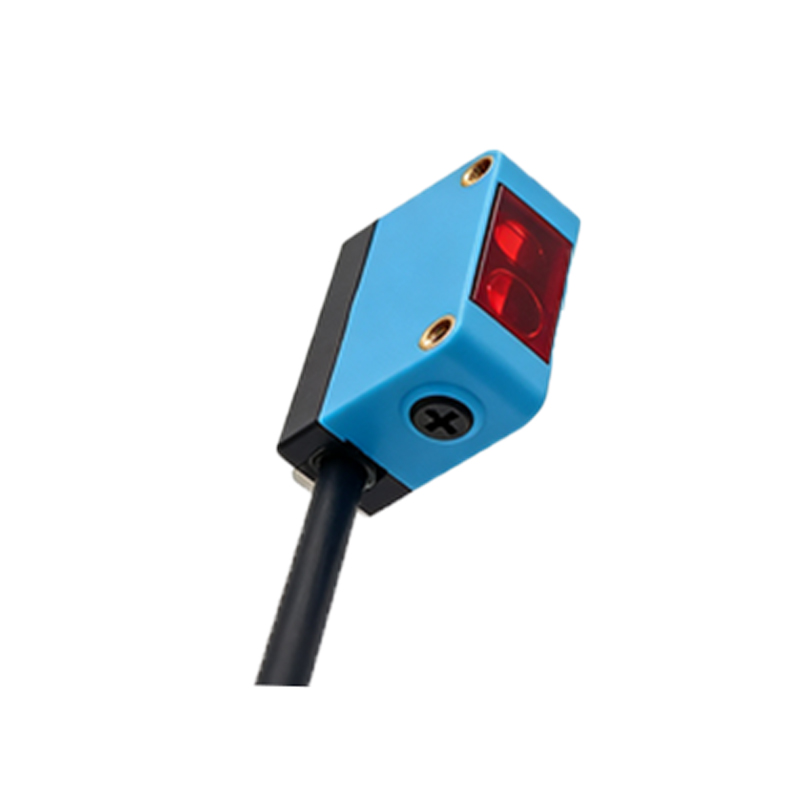
Despite robust design, photoelectric sensors can encounter issues in the field. One frequent problem is false triggering caused by reflective surfaces, such as wet floors or shiny metal objects near the gate. To mitigate this, adjust the sensor's sensitivity or switch to a polarized retro-reflective model that filters out specular reflections. Another issue is beam misalignment due to temperature changes or physical impacts. Regular inspection and realignment, using the sensor's alignment indicator (e.g., a steady green LED), can prevent intermittent failures. Dust, dirt, or ice accumulation on the lens reduces detection range; clean the optics with a soft, lint-free cloth and isopropyl alcohol periodically. Electrical noise from nearby motors can cause sporadic signals; install a ferrite core on the sensor cable or use a dedicated power supply. If the sensor fails completely, first check the power source (voltage and current) and then test the output with a multimeter. For advanced troubleshooting, consult the sensor's diagnostic manual or use a manufacturer-provided software tool to read error codes. Keeping a spare sensor on hand reduces downtime in critical applications.
Future Trends and Advanced Integration
The evolution of swing gate photoelectric sensors is driven by the demand for smarter, more connected access control systems. Emerging trends include the integration of IoT capabilities, allowing sensors to transmit real-time status data to building management systems for predictive maintenance. Some modern sensors now feature adjustable detection patterns via software, enabling custom-shaped zones that adapt to gate geometry. Additionally, the use of Time-of-Flight (ToF) technology enhances accuracy by measuring the precise distance to an object rather than just beam interruption. This is particularly useful for gates with variable speeds or complex motion profiles. For safety-critical applications, sensors are increasingly combined with redundant logic, such as dual-channel outputs, to meet SIL (Safety Integrity Level) standards. As an engineer, I recommend staying updated on these innovations by attending industry conferences and reviewing technical papers from leading manufacturers like SICK, Omron, and Banner. Implementing these advanced sensors not only improves safety but also reduces total cost of ownership through extended lifespan and lower maintenance.