Introduction to the Photoelectric Sensor N4
The Photoelectric Sensor N4 is a critical component in modern industrial automation systems, designed to detect the presence, absence, or distance of objects using light beams. As an electrical engineer, I have extensively worked with this sensor in various environments, from manufacturing floors to packaging lines. Its reliability, precision, and adaptability make it a preferred choice for tasks requiring non-contact sensing. The N4 model specifically offers enhanced performance in challenging conditions, such as dusty or wet settings, by utilizing advanced optics and signal processing.
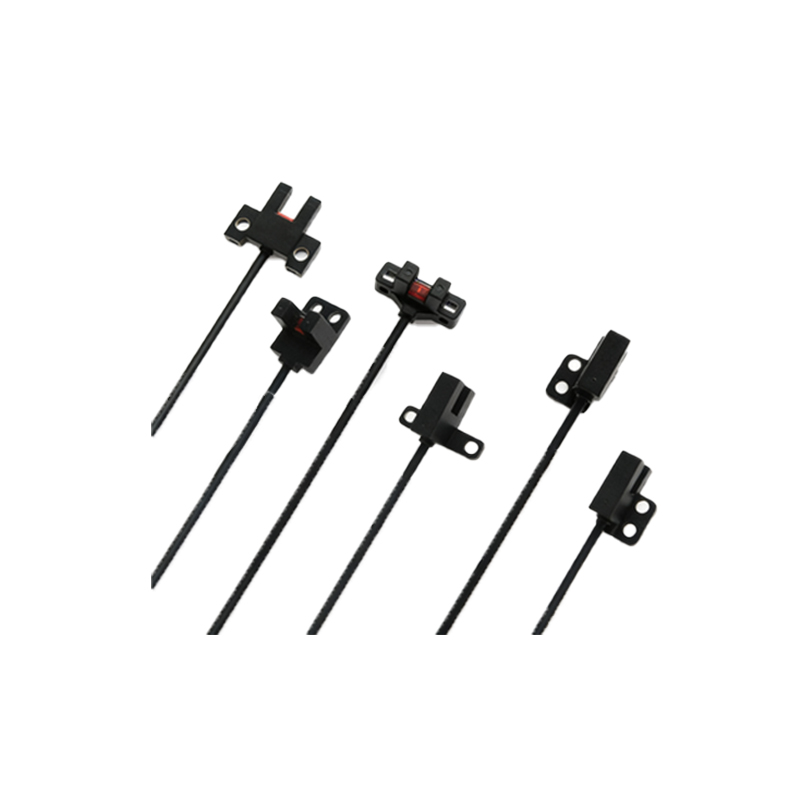
Key Technical Specifications and Features
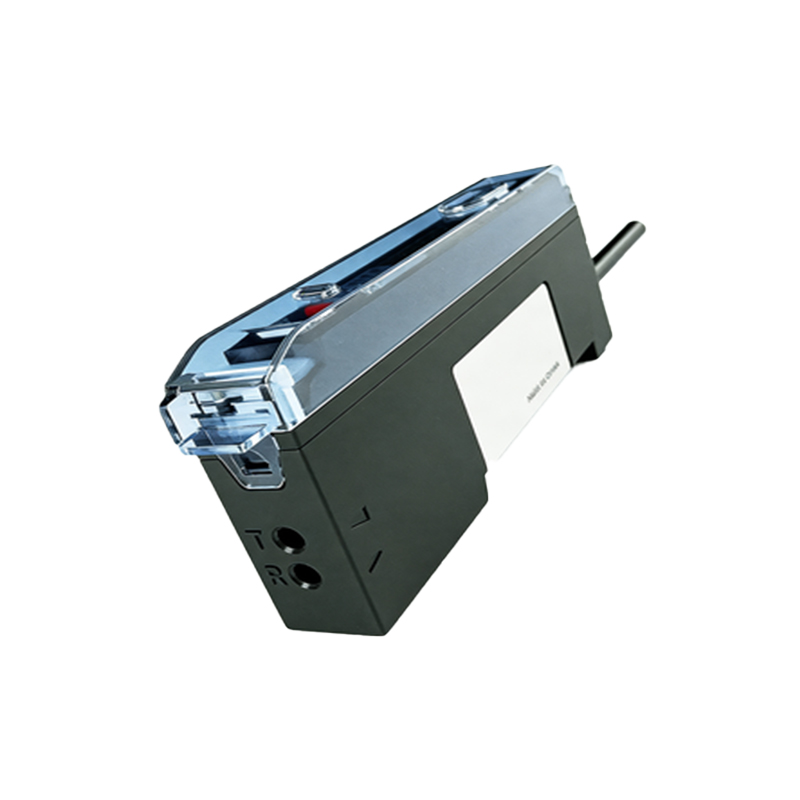
The N4 sensor operates on a through-beam or retro-reflective principle, with a typical sensing range of up to 30 meters for through-beam models and 5 meters for retro-reflective variants. It supports a wide input voltage range of 10-30 VDC, making it compatible with most industrial control systems. Key features include a rapid response time of less than 1 millisecond, IP67 protection rating for harsh environments, and an adjustable sensitivity potentiometer. The sensor also incorporates a built-in LED indicator for easy status monitoring, which is vital for quick troubleshooting.
Installation and Wiring Guidelines
Proper installation is crucial for optimal performance. The N4 should be mounted on a stable surface, ensuring the emitter and receiver are precisely aligned for through-beam models. For retro-reflective configurations, the reflector must be placed perpendicular to the sensor. Wiring requires connecting the brown wire to positive voltage (10-30 VDC), the blue wire to ground, and the black wire to the output load. It is recommended to use shielded cables to minimize electromagnetic interference, especially in environments with heavy machinery. Always verify the polarity before powering up the sensor to avoid damage.
Common Applications in Industry
The N4 excels in diverse applications. In conveyor systems, it detects product presence to trigger sorting or packaging mechanisms. In material handling, it monitors stack heights or ensures safe positioning of robot arms. The sensor's immunity to ambient light makes it ideal for outdoor use, such as in warehouse door openers or vehicle detection at loading docks. I have personally implemented the N4 in a beverage bottling plant to count bottles on a high-speed line, achieving over 99.9% accuracy even under vibration and moisture.
Troubleshooting and Maintenance Tips
Common issues include false triggering due to reflective surfaces or misalignment. To address this, clean the lens and reflector regularly with a lint-free cloth. Check for loose wiring or voltage drops if the sensor fails to switch. Use a multimeter to measure the output signal at the load side. If the response time degrades, adjust the sensitivity trimmer carefully. For persistent problems, consult the datasheet for specific error codes indicated by the LED blink patterns. Proactive maintenance every three months can extend the sensor's lifespan significantly.
Comparing the N4 with Other Sensor Types
While inductive and capacitive sensors are suitable for metal or liquid detection, the N4 offers superior versatility for non-metallic objects and longer ranges. Unlike ultrasonic sensors, the N4 is immune to sound noise and can detect transparent materials like glass or plastic. However, it may struggle with highly reflective surfaces or in direct sunlight without filters. For such cases, I recommend using a polarizing filter or switching to a laser-based variant. Overall, the N4 strikes a balance between cost, performance, and reliability for most industrial needs.
Conclusion and Best Practices
The Photoelectric Sensor N4 is a robust solution for any engineer seeking dependable object detection. To maximize its benefits, always follow the manufacturer's installation manual, perform regular calibration checks, and integrate it with a PLC for advanced control logic. I advise testing the sensor in a simulated environment before deploying it in critical processes. By adhering to these practices, you can ensure seamless integration and long-term operational efficiency. For further details, refer to the official N4 technical documentation.