Introduction to NPN Fixed Mounts and Photoelectric Sensors
In industrial automation, photoelectric sensors are essential for detecting objects, presence, or distance without physical contact. The NPN output type is widely used due to its compatibility with sinking input modules in PLCs and controllers. A fixed mount for NPN photoelectric sensors ensures stable positioning and reliable signal transmission, especially in high-vibration environments. This article explores the design, installation, and application of NPN fixed mounts, focusing on their role in enhancing sensor performance and system longevity.
Key Features of NPN Photoelectric Sensor Fixed Mounts
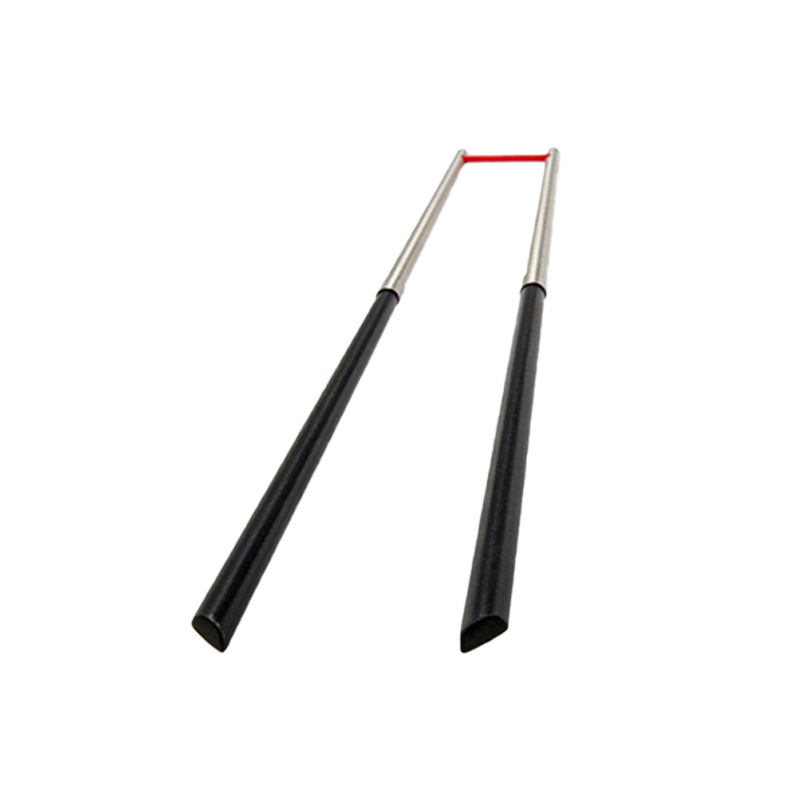
NPN fixed mounts are designed to securely hold photoelectric sensors in place, aligning them precisely with target objects. These mounts often feature robust materials like stainless steel or reinforced plastic to withstand harsh conditions. They include adjustable brackets or slotted holes for fine-tuning sensor orientation, ensuring optimal light beam alignment. Additionally, many mounts incorporate vibration-dampening mechanisms to prevent misalignment from machinery operation. A typical NPN sensor mount also provides easy access to wiring terminals, simplifying maintenance and replacement.
Installation Best Practices for NPN Fixed Mounts
Proper installation of NPN fixed mounts is critical for accurate detection. First, select a mounting location free from excessive dust, moisture, or extreme temperatures. Use the provided screws or clamps to attach the mount to a rigid surface, ensuring no movement during operation. Align the sensor's emitter and receiver axis with the target path, using the mount's adjustment slots for fine-tuning. For NPN sensors, verify that the output wiring is correctly connected to the PLC's sinking input, with common ground established. After installation, test the sensor's response by moving an object through its detection zone, adjusting the mount if necessary.
Common Applications in Industrial Settings
NPN fixed mounts for photoelectric sensors are prevalent in manufacturing lines for tasks like object counting, conveyor belt monitoring, and packaging verification. They are also used in automotive assembly for part presence detection and in robotics for end-effector positioning. In material handling, these mounts help ensure precise stacking or sorting by maintaining consistent sensor alignment. Their robust construction makes them ideal for heavy-duty environments like steel mills or food processing plants, where vibration and contamination are common.
Troubleshooting and Maintenance Tips
Over time, NPN fixed mounts may loosen due to vibration or thermal expansion. Regular inspection of mount tightness and sensor alignment is recommended. If the sensor fails to trigger, check for blocked optics, damaged cables, or incorrect NPN output wiring. Clean the mount and sensor lens with a soft cloth to remove debris. For persistent issues, replace worn-out mounting hardware or consider upgrading to a more durable material, such as anodized aluminum, for longer service life.
Conclusion and Future Trends
NPN fixed mounts are fundamental components for optimizing photoelectric sensor performance in industrial automation. As IoT and Industry 4.0 advance, smart mounts with integrated alignment indicators or self-diagnostics are emerging. These innovations will further reduce downtime and improve system accuracy. For now, selecting the right NPN mount and adhering to installation guidelines remains essential for reliable and efficient sensor operation.