Introduction to Photoelectric Sensors in Glass Tempering
In modern glass tempering furnaces, precision and reliability are critical for producing high-quality tempered glass. Photoelectric sensors play a vital role in monitoring and controlling various stages of the tempering process, from glass positioning to temperature uniformity. These sensors use light beams to detect the presence, absence, or distance of glass sheets without physical contact, ensuring minimal wear and tear while maintaining high accuracy. For electrical engineers working in the glass industry, understanding the application and integration of these sensors is essential for optimizing furnace performance and reducing downtime.
Key Applications in Glass Handling and Transport
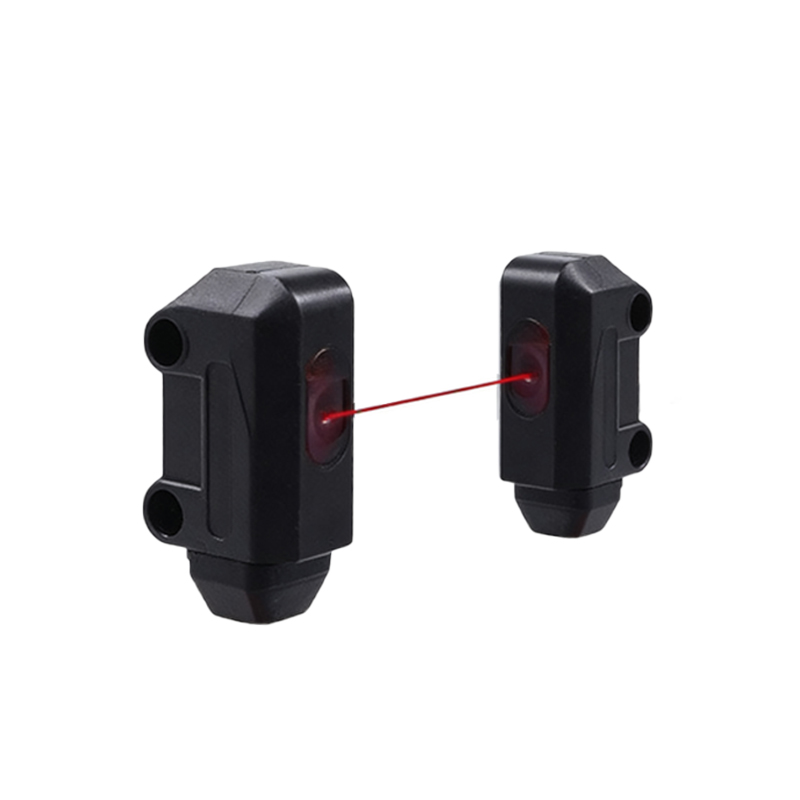
During the heating and cooling stages, glass sheets move through the furnace on rollers. Photoelectric sensors are commonly installed at entry and exit points to detect glass presence and trigger conveyor speed adjustments. For instance, through-beam sensors provide reliable detection even in dusty environments, while retro-reflective sensors can handle varying glass thicknesses. These sensors ensure that glass sheets are correctly aligned before entering the quench zone, preventing breakage and improving throughput. Additionally, sensors placed along the furnace can monitor glass position to avoid collisions and optimize cycle times.
Temperature Monitoring and Process Control
Temperature uniformity is crucial in glass tempering, as uneven heating can cause stress fractures. While thermocouples are standard, photoelectric sensors can be used in conjunction with infrared systems to measure glass surface temperature during the heating phase. By detecting the glass's position and timing, these sensors help control the firing of heating elements, ensuring that each sheet reaches the required temperature profile. Furthermore, sensors can detect when glass exits a zone, triggering cooling fans or air quenching systems for precise thermal management. This integration enhances energy efficiency and product consistency.
Maintenance and Troubleshooting Best Practices
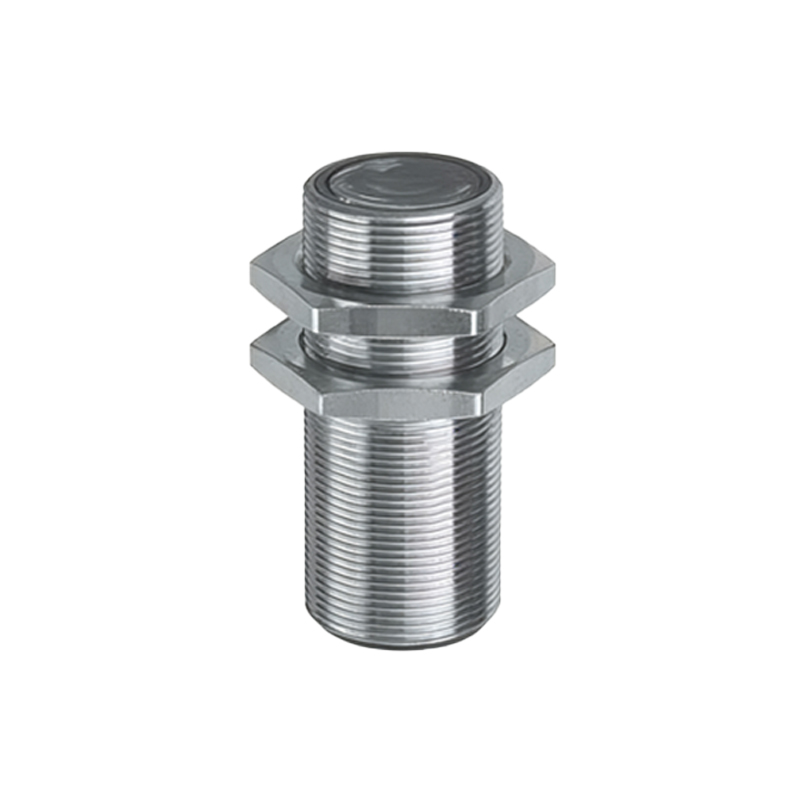
Regular calibration and cleaning of photoelectric sensors are necessary to maintain accuracy in harsh furnace environments. Electrical engineers should schedule inspections to check for lens contamination from dust or glass particles. For troubleshooting, use a multimeter to verify sensor output signals, and ensure that alignment between emitter and receiver is not compromised by thermal expansion. Modern sensors often feature diagnostic LEDs that indicate status, simplifying fault detection. Common issues include false triggering due to reflective surfaces or ambient light interference, which can be mitigated by selecting sensors with appropriate modulation frequencies.
Future Trends and Smart Sensor Integration
The glass industry is moving toward Industry 4.0, with photoelectric sensors becoming part of networked control systems. Smart sensors with IO-Link communication enable real-time data transmission for predictive maintenance and process optimization. For example, sensors can log detection events to analyze glass flow patterns, identifying bottlenecks before they cause downtime. As tempering furnaces become more automated, integrating photoelectric sensors with programmable logic controllers (PLCs) will allow for adaptive control strategies, such as adjusting conveyor speed based on glass size. Electrical engineers must stay updated on these technologies to future-proof their operations.