Understanding the Impact of Dust on Photoelectric Sensor Performance
As a seasoned electrical engineer, I have observed that dust accumulation is one of the most common and disruptive issues affecting photoelectric sensors in industrial settings. These sensors rely on precise light transmission and reception to detect objects, measure distances, or verify presence. When dust particles settle on the lens, emitter, or receiver, they scatter or absorb the light beam, leading to false readings, reduced sensitivity, or complete failure. In environments such as cement plants, grain storage facilities, or metalworking shops, dust levels can be extreme, causing sensors to malfunction within hours if not properly protected. The root cause is often overlooked: even a thin film of fine dust can attenuate light by 50% or more, disrupting the sensor’s ability to distinguish between signal and noise. Therefore, proactive dust management is not a luxury but a necessity for maintaining process reliability and minimizing downtime.
Selecting the Right Sensor Housing and Lens Design
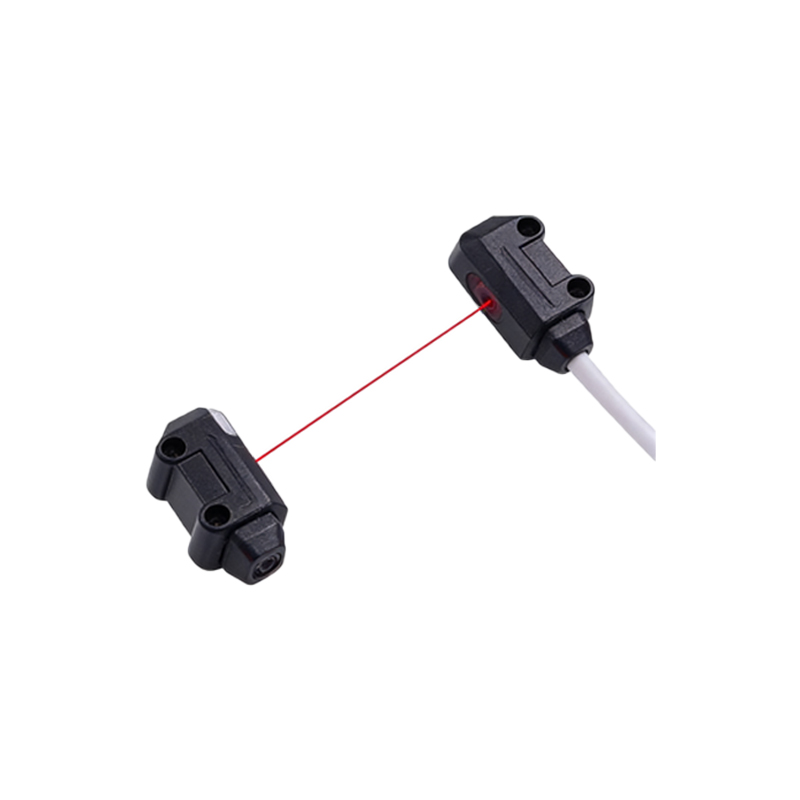
To combat dust, the first line of defense is selecting sensors with appropriate ingress protection (IP) ratings. I recommend using sensors rated IP67 or higher, which are fully sealed against dust ingress. However, the lens design matters equally. For dusty environments, opt for sensors with flat, non-refractive lenses that are easy to clean, rather than domed or curved designs that trap particles. Some manufacturers offer sensors with air-assisted lens cleaning systems, where compressed air is directed across the lens surface to blow away dust continuously. Additionally, consider using sensors with a large-diameter lens and high optical power; these can maintain performance even with partial dust coverage. For example, laser-based sensors with a narrow beam are less affected by dust than diffuse reflection types, as the focused light penetrates through particle layers more effectively. Always verify the sensor’s operational wavelength—infrared sensors often perform better in dusty conditions than visible light models, as longer wavelengths scatter less.
Implementing Protective Enclosures and Air Purge Systems
When sensor selection alone is insufficient, external protective measures become essential. I frequently specify custom-machined enclosures made from stainless steel or aluminum, with a transparent polycarbonate or glass window that can be easily replaced or cleaned. The enclosure should be designed with a sloping top to prevent dust accumulation on the surface. For critical applications, an air purge system is highly effective: install a small nozzle near the sensor window that continuously or intermittently blows clean, dry compressed air across the surface. This creates a positive pressure barrier that repels dust and keeps the lens clear. I have successfully used this method in coal handling conveyors and foundry operations, where sensors previously failed weekly now operate for months without intervention. The air supply should be filtered to avoid introducing oil or moisture, and the purge flow rate should be adjusted to match the dust load—typically 2-5 CFM at 80 PSI is sufficient.
Establishing a Routine Cleaning and Maintenance Protocol
No protection system is foolproof, so a structured maintenance schedule is crucial. As a rule of thumb, I advise cleaning photoelectric sensors at least once per shift in high-dust areas, using a soft, lint-free cloth and a mild cleaning solution (isopropyl alcohol is ideal). Avoid abrasive materials that can scratch the lens and worsen dust adhesion. For automated environments, incorporate sensor health monitoring into the PLC system: track signal strength or error rates to trigger alerts when cleaning is needed. I also recommend using anti-static coatings on the lens, which reduce dust attraction due to static electricity. Train maintenance staff to inspect sensor mounts and seals regularly, as vibration can loosen covers and create entry points for dust. Document all cleaning and replacement activities to identify patterns—for instance, if a sensor requires cleaning every two hours, consider upgrading to a more robust model or adding an air purge.
Leveraging Advanced Sensor Technologies for Dust Resistance
Finally, consider investing in sensor technologies designed to mitigate dust interference. Photoelectric sensors with automatic gain control (AGC) can dynamically adjust their sensitivity to compensate for gradual dust buildup, extending the interval between cleanings. Some modern sensors also feature a “teach-in” mode that allows you to set a reference signal level, ignoring minor dust-induced variations. For extreme environments, such as grain elevators or mining operations, fiber optic sensors with remote heads are an excellent choice—the electronics are located in a clean area, and only the ruggedized fiber tip is exposed to dust, which can be easily cleaned or replaced. Time-of-flight (TOF) sensors, which measure the time for light to return, are less susceptible to dust than traditional retro-reflective types because they rely on timing rather than intensity. By combining technology selection with rigorous maintenance, you can achieve near-zero downtime from dust-related sensor failures.