Understanding the Fundamentals of Photoelectric Sensors
Photoelectric sensors are essential components in modern industrial automation, converting light signals into electrical outputs to detect objects, positions, or changes in the environment. As an electrical engineer, it's crucial to grasp the three main types: through-beam, retro-reflective, and diffuse reflection sensors. Through-beam sensors consist of a separate emitter and receiver, offering the longest detection range and highest reliability against contamination. Retro-reflective sensors combine emitter and receiver in one housing, using a reflector to detect objects that break the beam. Diffuse sensors rely on light reflected directly from the target, making them ideal for short-range applications. Always consider factors like ambient light interference, target color, and surface texture when selecting a sensor type.
Selecting the Right Sensor for Your Application
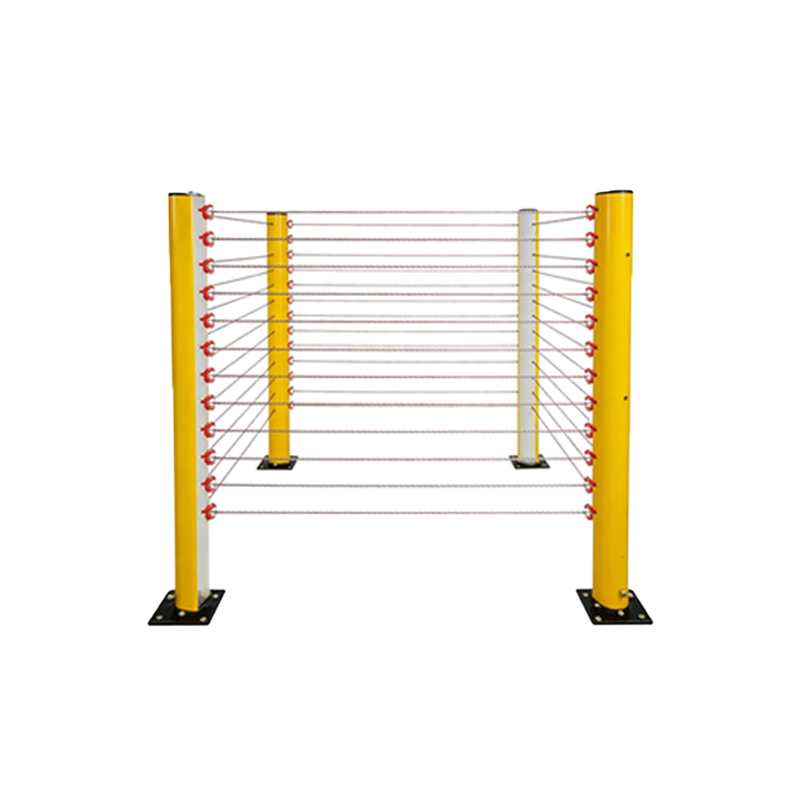
Choosing the correct photoelectric sensor begins with analyzing the detection environment. For dusty or wet conditions, through-beam sensors are preferred because they are less susceptible to contamination. If space is limited, retro-reflective sensors offer a compact solution but require a clean reflector surface. Diffuse sensors work well for transparent or shiny objects, but their performance degrades with dark or matte surfaces. Evaluate the target’s size, distance, and speed. For high-speed production lines, sensors with fast response times (e.g., less than 1 millisecond) are mandatory. Also, consider output types: NPN (sinking) or PNP (sourcing) based on your PLC input requirements. Always verify the sensor’s IP rating to match the environmental conditions, such as IP67 for washdown areas.
Installation and Alignment Best Practices
Proper installation is critical for reliable operation. For through-beam sensors, ensure the emitter and receiver are perfectly aligned with no obstructions. Use a laser alignment tool if necessary. For retro-reflective sensors, mount the reflector directly opposite the sensor, maintaining a perpendicular angle to avoid signal loss. Avoid reflective surfaces behind the target that could cause false detections. When installing diffuse sensors, keep the sensing area clear of dust or debris. Secure all cables with strain relief to prevent disconnection. Test the sensor’s performance under actual operating conditions, including varying light levels and temperature extremes. Document the alignment parameters for future maintenance.
Troubleshooting Common Issues
Common problems include false triggers, no detection, or intermittent operation. Start by checking the power supply voltage and wiring connections. Use a multimeter to verify the sensor’s output. If the sensor fails to detect, clean the lens or reflector with a lint-free cloth and isopropyl alcohol. Adjust the sensitivity potentiometer or teach function if available. For through-beam sensors, check for misalignment caused by vibration. Retro-reflective sensors may fail if the reflector is damaged or dirty. In diffuse sensors, background objects can cause interference—use a background suppression model. Always refer to the manufacturer’s datasheet for specific thresholds and timing diagrams.
Advanced Techniques for Enhanced Performance
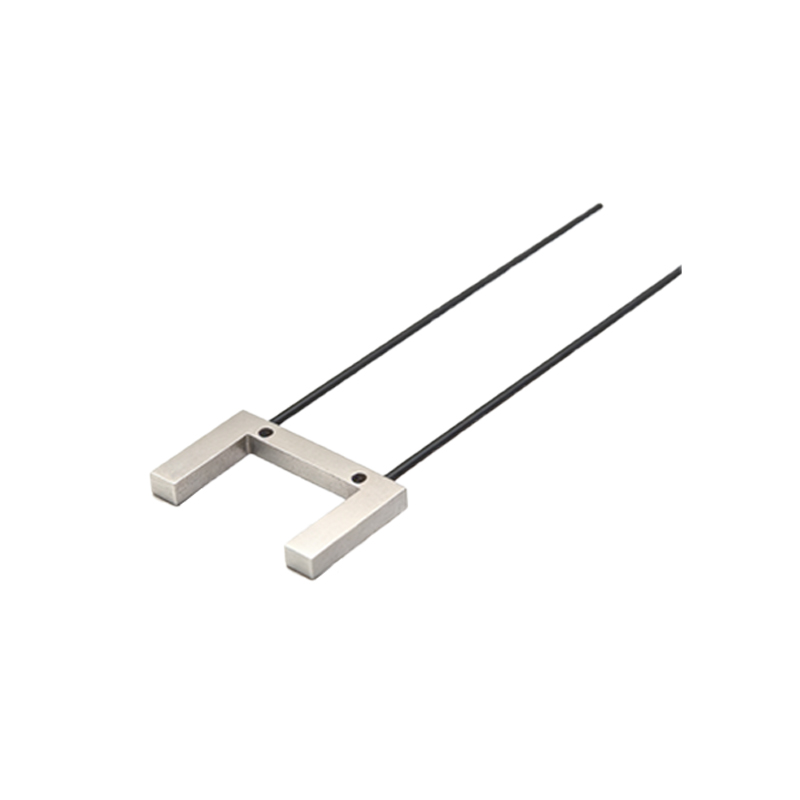
For challenging applications, consider using sensors with background suppression or foreground suppression technology. These sensors use triangulation to ignore objects beyond a set distance. For detecting clear or transparent objects, use polarized retro-reflective sensors to avoid false reflections. In high-speed systems, fiber optic sensors paired with photoelectric amplifiers provide superior response times and flexibility. For networked systems, integrate sensors with IO-Link communication to monitor diagnostic data and adjust parameters remotely. Always apply proper shielding and grounding to avoid electromagnetic interference (EMI). Regularly calibrate sensors using a reference target to maintain accuracy over time.