Introduction to Horizontal Bar Photoelectric Sensors
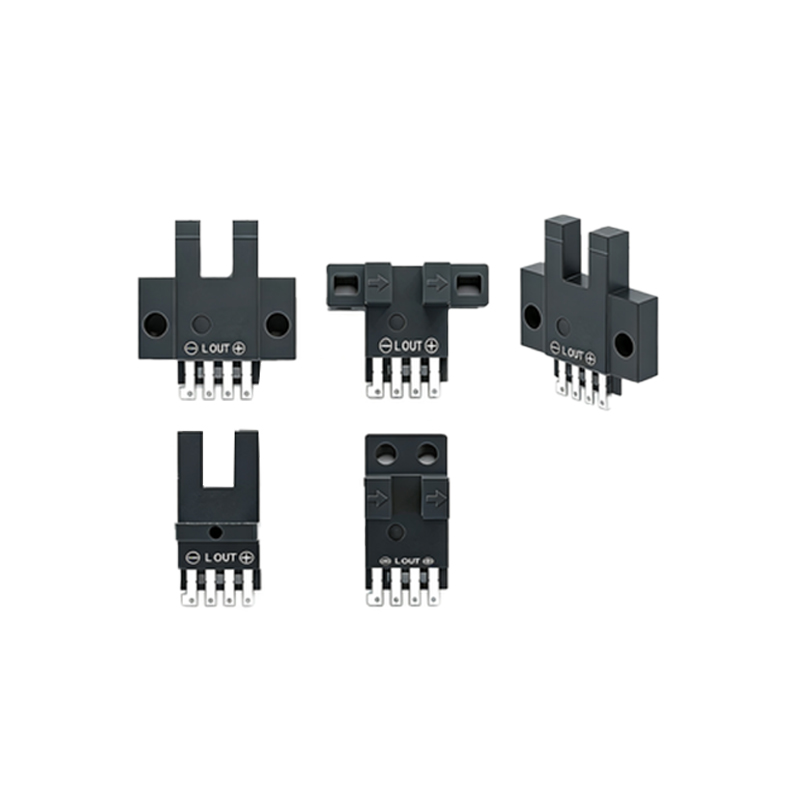
Horizontal bar photoelectric sensors are specialized sensing devices designed to detect objects across a wide, flat detection area. Unlike traditional point sensors, these sensors use an elongated emitter-receiver pair to create a beam of light that covers a horizontal strip. This configuration is ideal for applications requiring reliable object presence detection over a large surface, such as conveyor belt monitoring, packaging line inspection, and warehouse automation. The sensor operates on the principle of light interruption: when an object blocks the beam, the sensor triggers a signal. Their robust design ensures consistent performance in dusty, humid, or high-vibration environments.
Key Working Principles and Configurations
The horizontal bar sensor typically consists of an infrared or visible light emitter and a receiver aligned in a parallel, horizontal arrangement. There are two primary operating modes: through-beam and retro-reflective. In through-beam mode, the emitter and receiver are separate units, providing the longest detection range and highest resistance to contamination. Retro-reflective models use a reflector to bounce the beam back, simplifying installation. Advanced models feature modulated light to filter out ambient interference, ensuring accuracy even under direct sunlight or artificial lighting. The detection area can span from a few centimeters to several meters, depending on the model.
Critical Applications in Industrial Settings
These sensors excel in applications where object size, shape, or speed varies. Common use cases include:
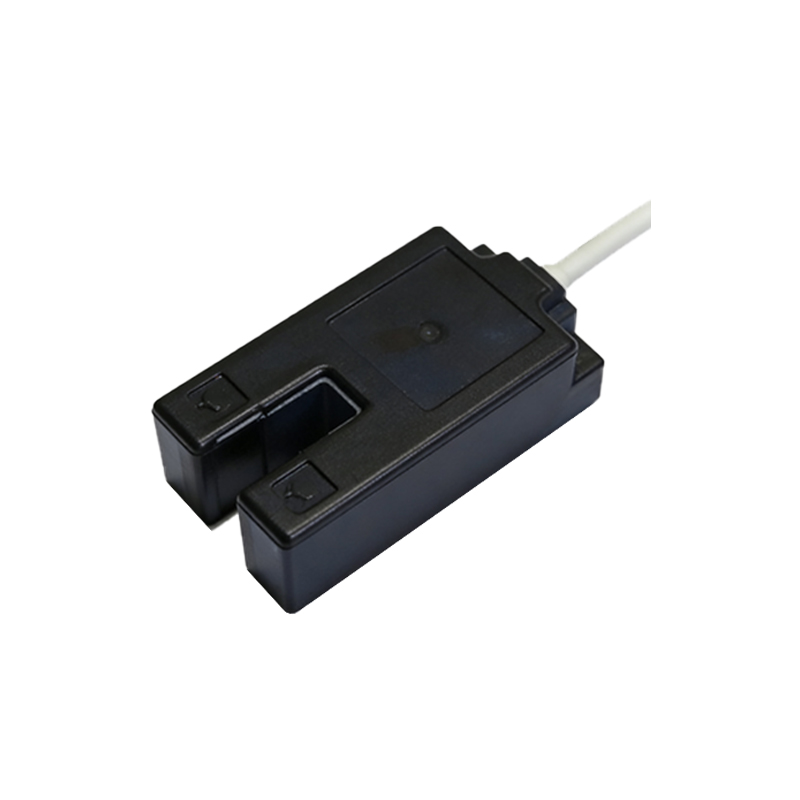
- Conveyor belt systems: Detecting the presence of boxes, bags, or pallets to control sorting and stop mechanisms.
- Automated guided vehicles (AGVs): Ensuring safe navigation by detecting obstacles across a wide path.
- Packaging machinery: Verifying that products are correctly aligned before sealing or labeling.
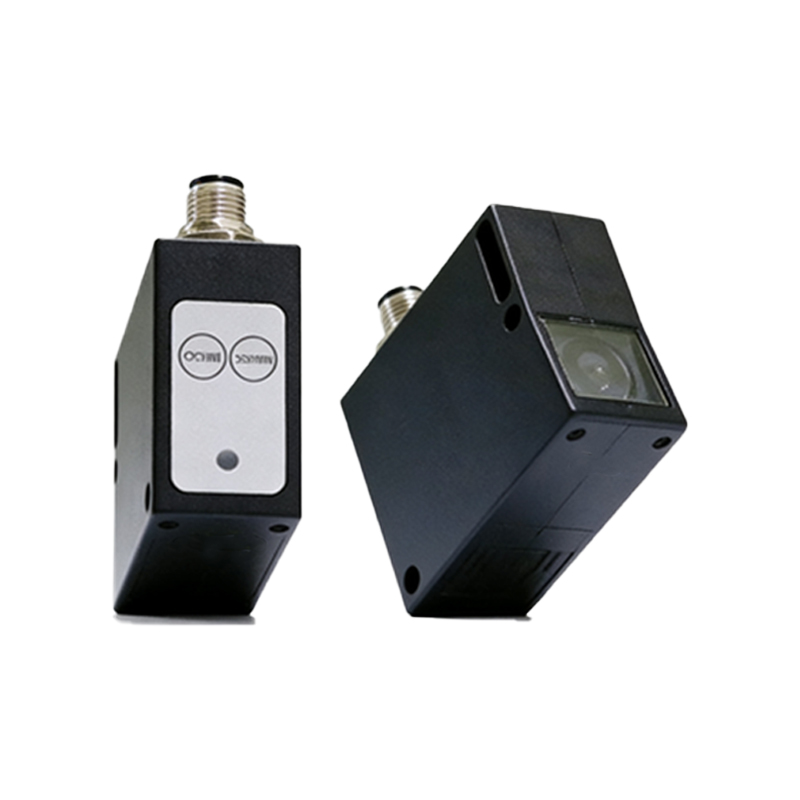
- Material handling: Monitoring storage racks or bins for inventory management.
The horizontal beam design reduces the need for multiple discrete sensors, lowering installation costs and maintenance complexity.
Installation and Alignment Best Practices
Proper installation is crucial for optimal performance. Mount the emitter and receiver on stable, vibration-free surfaces at the same height. For through-beam models, ensure the beam path is free of obstructions. Use alignment tools or visual indicators provided by manufacturers to fine-tune the optical axis. Retro-reflective sensors require clean, perpendicular reflectors. Avoid mounting near reflective walls or shiny machinery to prevent false triggers. Regular cleaning of lens surfaces with approved solvents prevents dust buildup, especially in harsh industrial conditions.
Troubleshooting Common Issues
Common problems include false triggering, no detection, or reduced range. Check for misalignment, dirty optics, or electrical interference. Ensure power supply voltage matches specifications. If the sensor is exposed to aggressive chemicals or extreme temperatures, consider using specialized housings (e.g., stainless steel or IP69K-rated enclosures). For intermittent failures, verify cable connections and shielding. Many modern sensors offer diagnostic LEDs or IO-Link communication for real-time monitoring and remote troubleshooting.
Future Trends and Selection Criteria
Emerging trends include integration with Industry 4.0 protocols, such as IO-Link and PROFINET, enabling data collection for predictive maintenance. Miniaturized designs and multi-beam arrays are expanding detection capabilities. When selecting a sensor, consider factors like detection range, response time, environmental resistance, and output type (e.g., PNP/NPN, analog, or digital). Consulting with manufacturers or using online configuration tools can streamline the selection process, ensuring the sensor meets specific application needs.