Introduction to elesta and Swiss Engineering Excellence
In the realm of industrial automation, precision and reliability are non-negotiable. elesta, a Swiss manufacturer headquartered in Egerkingen, has carved a niche for itself by delivering high-performance photoelectric sensors that adhere to the stringent standards of Swiss engineering. With decades of experience in developing components for demanding environments, elesta sensors are designed to excel in applications where downtime is costly and accuracy is paramount. This article explores the technical architecture, key features, and practical applications of elesta photoelectric sensors, providing insights for engineers seeking robust sensing solutions.
Core Technology: Through-Beam, Retro-Reflective, and Diffuse Modes
elesta photoelectric sensors are built around three primary operating principles: through-beam, retro-reflective, and diffuse. The through-beam configuration consists of a separate emitter and receiver, offering the longest sensing range and highest immunity to contamination, ideal for long-distance object detection in conveyor systems. Retro-reflective sensors integrate emitter and receiver in one unit, using a reflector to bounce the beam back, simplifying wiring while maintaining reliable detection for transparent or shiny objects. Diffuse sensors rely on light reflected directly from the target, making them suitable for short-range presence detection in tight spaces. Each mode leverages elesta’s proprietary optics to minimize false triggers and enhance signal stability.
Design and Build Quality: IP67 and Beyond
One standout feature of elesta photoelectric sensors is their rugged construction. All standard models boast an IP67 rating, ensuring protection against dust ingress and temporary immersion in water. The housings are typically made of stainless steel or high-impact plastic, with sealed electronics that withstand vibration and shock common in factory floors. For extreme environments, such as food processing or chemical plants, elesta offers variants with IP69K protection, capable of withstanding high-pressure washdowns. This robust design extends sensor lifespan, reducing replacement costs and unplanned maintenance.
Performance Metrics: Range, Response Time, and Ambient Light Immunity
elesta sensors deliver impressive performance metrics. Through-beam models can achieve sensing ranges up to 50 meters, while retro-reflective units cover up to 15 meters. Response times are typically under 0.5 milliseconds, enabling high-speed object counting in packaging lines. A critical engineering challenge in photoelectric sensing is ambient light interference, especially from modulated sources like LED lighting or sunlight. elesta addresses this with advanced digital filtering and modulated light technology, ensuring consistent detection even under fluctuating light conditions. The sensors also feature adjustable sensitivity via a potentiometer or teach-in button, allowing fine-tuning for specific targets.
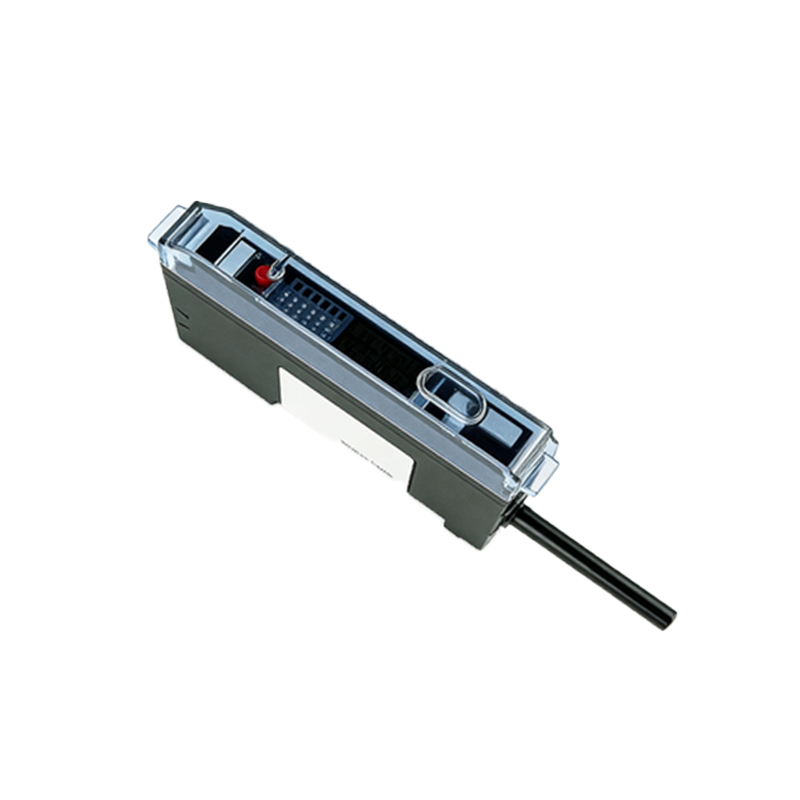
Industrial Applications: From Logistics to Automotive
The versatility of elesta photoelectric sensors makes them suitable for a wide range of industries. In logistics and warehousing, through-beam sensors are used for pallet detection and automatic door control. In automotive assembly lines, diffuse sensors verify the presence of components on moving fixtures. For the packaging industry, retro-reflective sensors detect transparent films or glass bottles without false triggers. Additionally, elesta offers specialized models for harsh environments, such as sensors with anti-static coatings for explosive zones or with high-temperature resistance for kiln monitoring.
Connectivity and Integration: IO-Link and Standard Interfaces
Modern factories demand seamless integration with control systems. elesta photoelectric sensors support both traditional discrete outputs (PNP/NPN) and IO-Link communication. IO-Link enables parameterization, diagnostics, and real-time data feedback, allowing engineers to monitor sensor health, adjust settings remotely, and predict maintenance needs. Most sensors feature a 4-pin M8 or M12 connector, compatible with standard industrial cables. This interoperability ensures easy retrofitting into existing PLC-based systems, reducing integration time.
Conclusion and Selection Recommendations
For design engineers and maintenance professionals, elesta offers a compelling balance of Swiss precision, robust durability, and application flexibility. When selecting a sensor, consider factors such as required sensing range, target material (opaque, transparent, or reflective), environmental conditions (dust, moisture, temperature), and connectivity needs (IO-Link vs. discrete). Testing with actual samples is recommended to verify performance, especially for challenging targets like shiny metals or dark plastics. With elesta, you invest in a sensor that delivers consistent results, reducing operational risks and enhancing production throughput.