Introduction to Photoelectric Water Flow Sensors
Photoelectric sensors have become essential components in modern water flow measurement systems, particularly in industrial environments where precision and reliability are critical. Unlike traditional mechanical flow meters, photoelectric sensors use light beams to detect the presence, movement, or rate of water flow through a pipe. These sensors operate by emitting a light beam—typically infrared or visible light—across the flow path, and a receiver detects changes in the light intensity caused by water droplets, bubbles, or particles. This non-contact method minimizes wear and tear, reduces maintenance costs, and ensures long-term stability. In industries such as water treatment, chemical processing, and HVAC systems, photoelectric water flow sensors provide real-time data for process control, leak detection, and energy efficiency optimization. Their ability to operate in harsh conditions, including high temperatures and pressures, makes them a preferred choice for engineers seeking robust solutions.
How Photoelectric Sensors Measure Water Flow
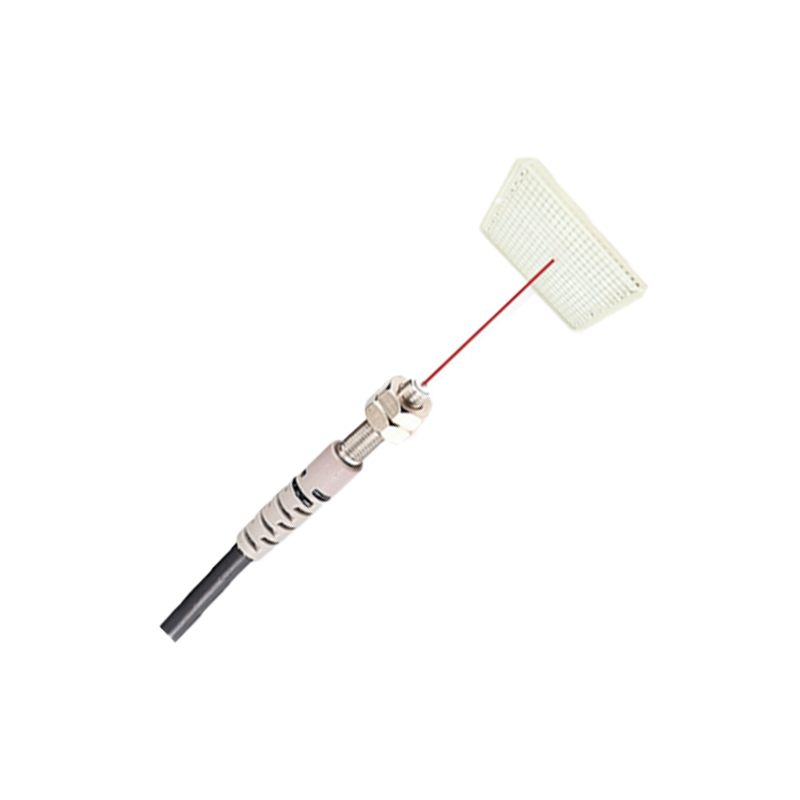
The core principle behind photoelectric water flow measurement is based on the interaction between light and moving water. In a typical setup, a sensor unit is mounted on or inserted into the pipe. It consists of a light-emitting diode (LED) and a photodetector aligned perpendicular to the flow direction. When water flows through the pipe, it causes light scattering, refraction, or interruption. For example, in a reflective type sensor, the emitted light bounces off water molecules or suspended solids, and the photodetector measures the intensity of reflected light. In a through-beam configuration, the light beam is directed across the pipe to a receiver; water flow disrupts the beam, generating a signal proportional to flow velocity. Advanced sensors use pulsed light and time-of-flight techniques to calculate flow rate with high accuracy. The output signal is typically analog (e.g., 4-20 mA) or digital (e.g., pulse frequency), which can be directly interfaced with programmable logic controllers (PLCs) for automated monitoring and control. This method eliminates moving parts, thus avoiding common issues like clogging or mechanical failure.
Key Benefits for Industrial Applications
Photoelectric water flow sensors offer several distinct advantages over conventional technologies. First, they provide non-intrusive measurement, meaning no physical contact with the water, which prevents contamination and reduces corrosion risks. This is particularly valuable in food and beverage processing or pharmaceutical manufacturing, where hygiene is paramount. Second, these sensors exhibit high sensitivity and fast response times, enabling detection of even minute changes in flow rate, which is crucial for leak detection or precise dosing in chemical mixing. Third, they are immune to electromagnetic interference, making them suitable for environments with heavy electrical equipment. Additionally, photoelectric sensors are compact and easy to install, requiring minimal pipeline modification. They also support bidirectional flow measurement and can handle variable water quality, from clean water to slurry-like fluids. From an engineering perspective, the low power consumption and long operational lifespan (often exceeding 100,000 hours) translate to reduced total cost of ownership.
Installation and Calibration Considerations
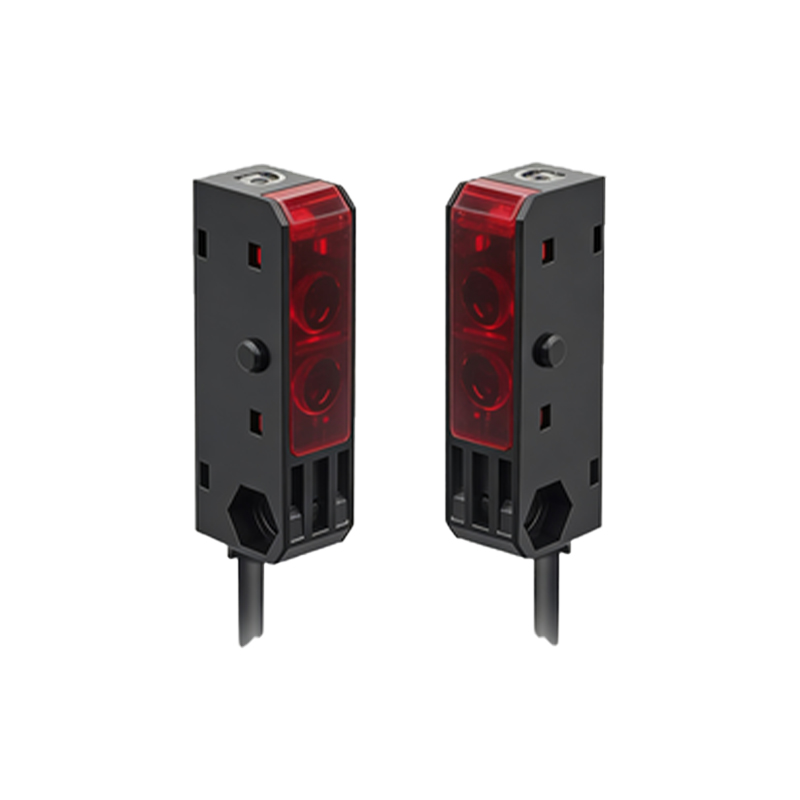
Proper installation and calibration are vital to ensure accurate photoelectric water flow measurement. The sensor should be placed in a section of the pipe with straight, unobstructed flow, typically at least 10 pipe diameters upstream and 5 diameters downstream from any bends or valves. This minimizes turbulence and ensures a uniform flow profile. The pipe material must be transparent or have a window for light transmission, such as glass or clear PVC, unless using a submersible probe design. Calibration involves setting the baseline light intensity under no-flow conditions and then adjusting gain to match the expected flow range. Engineers should also account for factors like water temperature, pressure, and turbidity, as these can affect light absorption. Most modern sensors include automatic compensation features, but periodic verification with a reference flow meter is recommended. In multi-sensor networks, synchronization and data logging must be configured to avoid signal aliasing. Proper grounding and shielding of cables are necessary to prevent electrical noise.
Common Challenges and Troubleshooting
Despite their robustness, photoelectric water flow sensors can face operational issues. One typical challenge is fouling of the optical window due to sediment or biofilm accumulation, which reduces light transmission and causes drift. Regular cleaning schedules using non-abrasive methods or self-cleaning sensor designs can mitigate this. Another issue is air bubbles in the water, which can cause false readings by scattering light erratically. Installing an air release valve upstream or using signal processing algorithms to filter bubble noise can help. Environmental light interference, especially in outdoor installations, may also affect sensor performance; shielding or modulated light sources are effective solutions. If the sensor output becomes erratic, engineers should check for loose connections, power supply fluctuations, or damaged cables. For persistent errors, recalibration or replacement of the light source (LED) may be necessary. Understanding these failure modes allows for proactive maintenance, ensuring system reliability.
Future Trends and Innovations
The field of photoelectric water flow sensing is evolving rapidly, driven by Industry 4.0 and IoT demands. Emerging trends include the integration of wireless communication protocols like LoRaWAN or Bluetooth Low Energy, enabling remote monitoring and predictive analytics. Smart sensors with embedded microprocessors can now perform self-diagnostics and adaptive calibration, adjusting to changing water conditions in real-time. Another innovation is the use of multi-spectral light sources (e.g., combining IR and UV) to differentiate between water types or detect contaminants. Nanotechnology is also being explored to create anti-fouling coatings for optical windows, extending maintenance intervals. In addition, combination sensors that merge photoelectric and ultrasonic principles are being developed for higher accuracy in complex flow regimes. For engineers, staying updated on these advancements is crucial for designing next-generation water management systems that are more efficient, sustainable, and cost-effective.
Introduction to Photoelectric Water Flow Sensors
Photoelectric sensors have become essential components in modern water flow measurement systems, particularly in industrial environments where precision and reliability are critical. Unlike traditional mechanical flow meters, photoelectric sensors use light beams to detect the presence, movement, or rate of water flow through a pipe. These sensors operate by emitting a light beam—typically infrared or visible light—across the flow path, and a receiver detects changes in the light intensity caused by water droplets, bubbles, or particles. This non-contact method minimizes wear and tear, reduces maintenance costs, and ensures long-term stability. In industries such as water treatment, chemical processing, and HVAC systems, photoelectric water flow sensors provide real-time data for process control, leak detection, and energy efficiency optimization. Their ability to operate in harsh conditions, including high temperatures and pressures, makes them a preferred choice for engineers seeking robust solutions.
How Photoelectric Sensors Measure Water Flow
The core principle behind photoelectric water flow measurement is based on the interaction between light and moving water. In a typical setup, a sensor unit is mounted on or inserted into the pipe. It consists of a light-emitting diode (LED) and a photodetector aligned perpendicular to the flow direction. When water flows through the pipe, it causes light scattering, refraction, or interruption. For example, in a reflective