Understanding Normally Open Photoelectric Sensors
In industrial automation, photoelectric sensors are essential for detecting objects without physical contact. Among various configurations, the normally open (NO) photoelectric sensor stands out for its versatility. When no object is present, the output remains open, meaning no signal is sent. Once an object interrupts the light beam, the output closes, triggering a response. This design is ideal for fail-safe applications where a loss of power or beam interruption should immediately indicate a change. For example, in conveyor systems, NO sensors ensure that a missing product activates an alarm or stops the line, enhancing safety.
Working Principles and Types
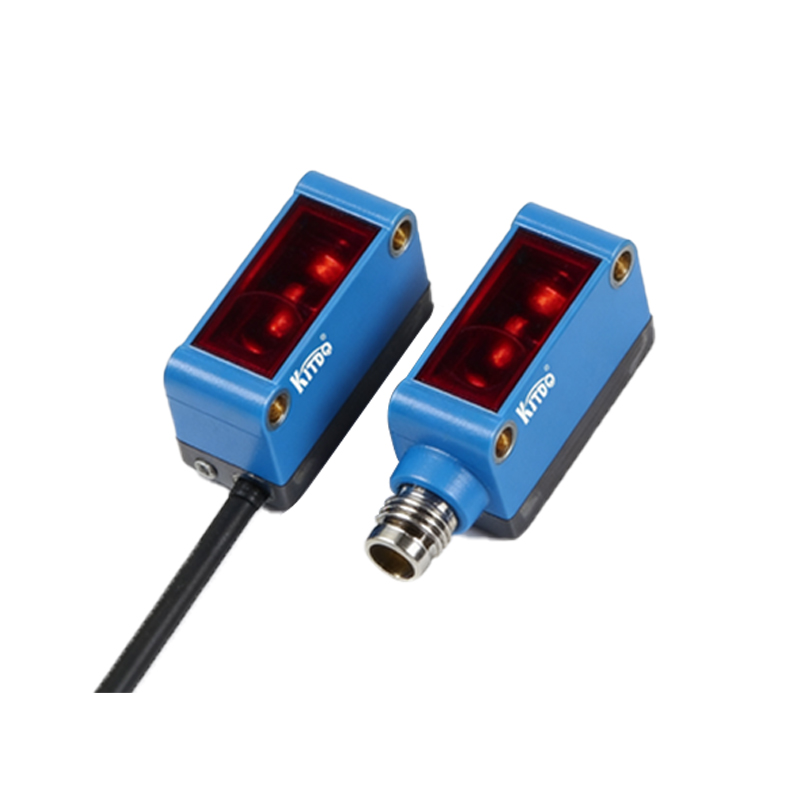
The NO photoelectric sensor operates through three primary modes: through-beam, retro-reflective, and diffuse. In through-beam mode, the emitter and receiver are separate; the sensor outputs a signal when the beam is broken. Retro-reflective uses a reflector, while diffuse relies on the object’s surface to reflect light. The normally open configuration is particularly useful in through-beam setups, as it provides clear detection of transparent or shiny objects. For instance, in a packaging line, an NO sensor can detect clear plastic bottles, ensuring accurate filling without false triggers.
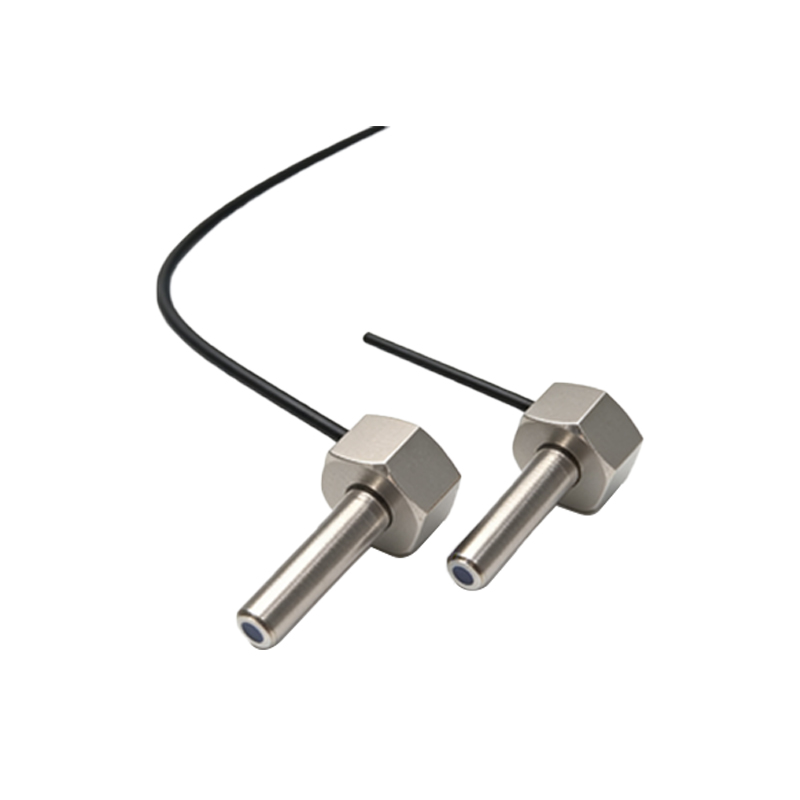
Key Applications in Manufacturing
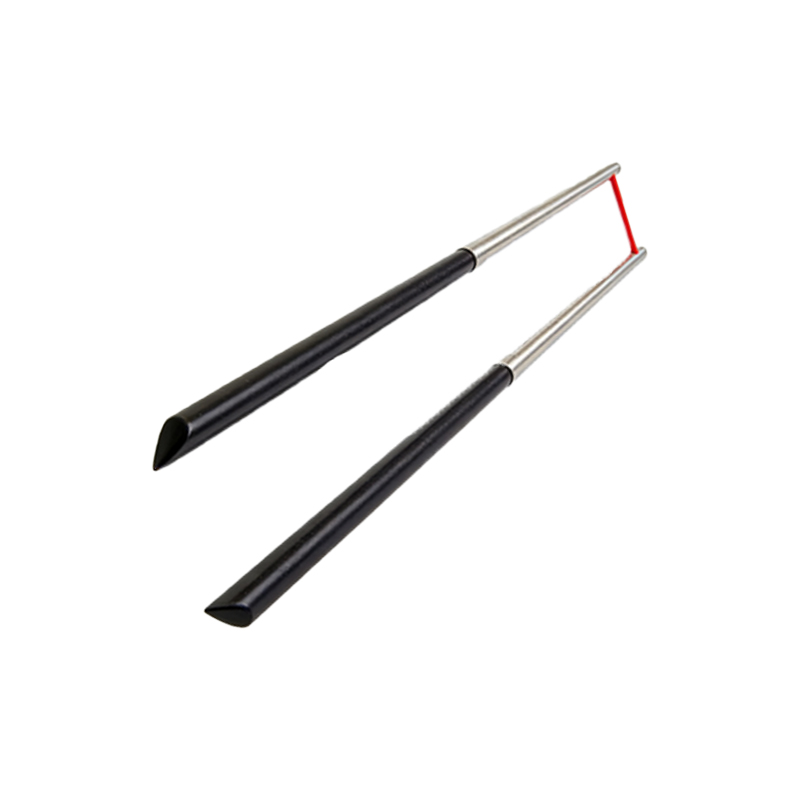
Normally open photoelectric sensors are widely deployed in manufacturing for presence detection, counting, and positioning. In automotive assembly, they verify the presence of components like bolts or panels. If a part is missing, the NO sensor remains open, signaling the controller to halt the process. Similarly, in food processing, these sensors detect bottles or cans on a conveyor, with the NO output ensuring that jams or gaps are immediately reported. This minimizes downtime and waste, aligning with lean manufacturing principles.
Advantages for System Reliability
One major benefit of NO photoelectric sensors is their fail-safe nature. In the event of power loss or sensor failure, the open circuit mimics an object detection, prompting a safe stop. This is critical in hazardous environments, such as chemical plants, where unintended movement must be prevented. Additionally, NO sensors reduce false positives in dusty or humid conditions, as they only trigger when a beam is physically interrupted. Engineers often prefer them for integration with PLCs, as the simple logic reduces programming complexity.
Selection and Installation Tips
When selecting an NO photoelectric sensor, consider factors like sensing range, ambient light, and target material. For long-range detection, through-beam with NO configuration works best. Install the sensor with proper alignment to avoid beam spread. Use shielded cabling to minimize electromagnetic interference. Calibrate sensitivity to match the object’s opacity; for transparent items, adjust the threshold to avoid missed detections. Regular maintenance, such as cleaning lenses, ensures consistent performance in harsh environments.
Future Trends and Integration
The evolution of Industry 4.0 is driving smarter photoelectric sensors with IO-Link communication. Normally open sensors now offer diagnostic data, such as signal strength and contamination levels. This enables predictive maintenance, reducing unexpected failures. Integrating NO sensors with IoT gateways allows real-time monitoring across factories. For engineers, this means enhanced control and data-driven decisions, improving overall equipment effectiveness (OEE). As automation continues to expand, NO photoelectric sensors remain a cornerstone of robust, safe systems.