In the world of industrial automation, robotics, and smart devices, the ability to detect the presence or absence of an object without physical contact is fundamental. Among the various technologies enabling this, the dual-proximity sensor stands out as a sophisticated and highly reliable solution. Unlike a standard single-probe sensor, a dual-proximity sensor incorporates two independent sensing elements within a single housing. This design isn't merely about redundancy; it unlocks advanced functionalities that enhance precision, safety, and diagnostic capabilities in complex applications.
At its core, a proximity sensor detects a target object by emitting an electromagnetic field or a beam of electromagnetic radiation. The most common types are inductive sensors for metallic objects and capacitive sensors for a wider range of materials, including liquids and non-metals. A dual-proximity sensor essentially packages two of these sensing systems together. They can be of the same type (e.g., two inductive sensors) or a hybrid combination (e.g., one inductive and one capacitive). The key is that their outputs are processed independently or in a coordinated logic circuit.
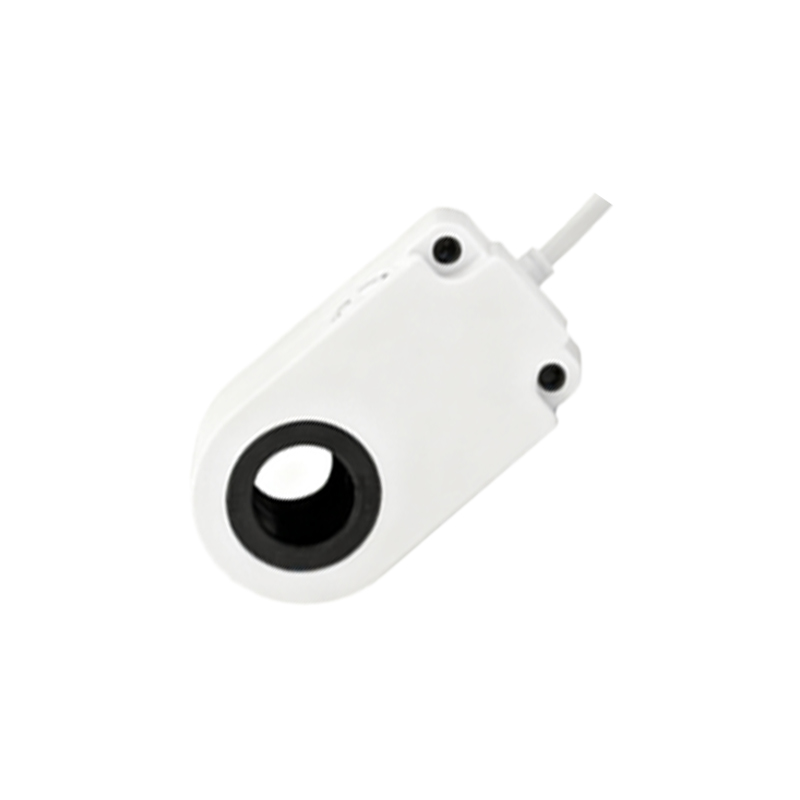
The primary advantage of this dual configuration is the introduction of logical evaluation. The sensor's control unit can be programmed to interpret the signals from the two probes based on specific logic functions. The most common logics are AND, OR, and differential modes. In an AND logic setup, the sensor's output is only activated when both probes detect the target. This is crucial for safety-critical applications. For instance, in a robotic cell gate, both probes must confirm the gate is fully closed before the robot can initiate a cycle, preventing accidental access to a hazardous area. Conversely, an OR logic will trigger an output if either probe senses an object, increasing the detection range or reliability in less critical monitoring tasks.
The differential mode, however, is where dual-proximity sensors truly demonstrate their unique value. In this mode, the sensor evaluates the difference in signal strength or timing between its two probes. This allows for highly precise tasks such as edge detection, web break detection, or monitoring the thickness of a material. For example, in a paper manufacturing line, a differential dual sensor can be positioned so that the paper web runs between its two probes. Any significant change in the signal differential—indicating a tear, a splice, or a complete break—can trigger an immediate alarm and shutdown.
Beyond logic functions, dual-proximity sensors offer enhanced diagnostic features. By comparing the signals from the two independent elements, the sensor can often self-diagnose issues like contamination buildup, partial failure, or misalignment. It can send a warning signal before a complete failure occurs, facilitating predictive maintenance and reducing unplanned downtime. This is a significant step up from a single sensor, which typically fails silently or provides a simple on/off signal with no health status.
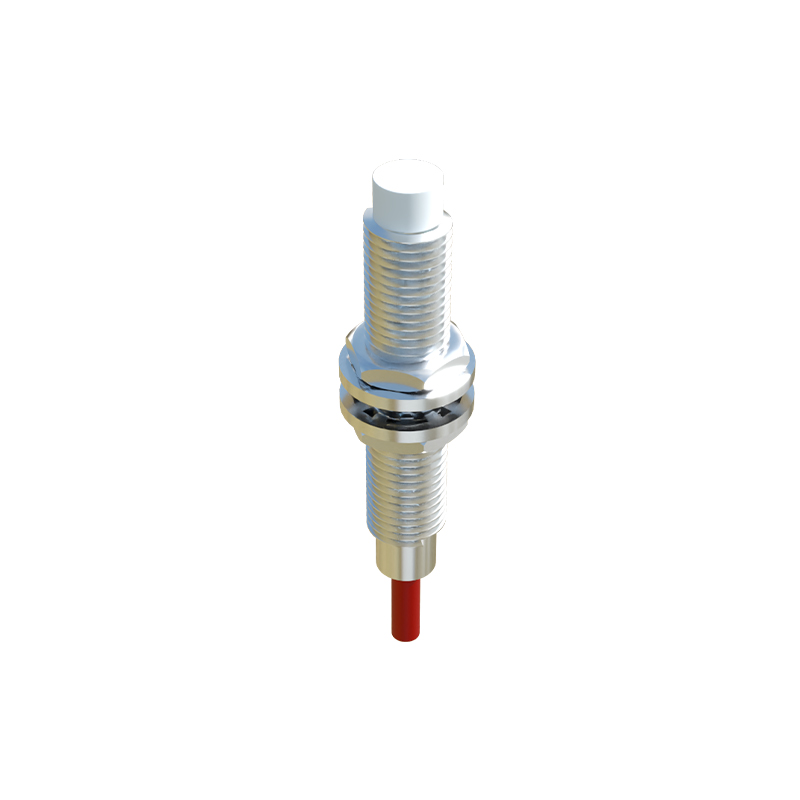
The applications for these sensors are diverse and demanding. In the automotive industry, they are used for precise positioning of robotic welders and for verifying the correct seating of components on an assembly line. In packaging machinery, they ensure that a product is correctly centered before a sealing or labeling operation. In material handling, differential sensors monitor roll diameters on unwinders to prevent overrun or breakage. Their robustness, often featuring high IP ratings for dust and water resistance, makes them suitable for harsh environments like food processing or outdoor logistics.
When selecting a dual-proximity sensor, several factors must be considered. The sensing range for each probe, the response time, the output type (PNP/NPN, analog, IO-Link), and the housing material are all critical. The choice between inductive and capacitive, or a mix, depends entirely on the target material. Furthermore, the ability to easily configure the logic function, either via teach-in buttons or through software, is a major usability benefit offered by modern models.
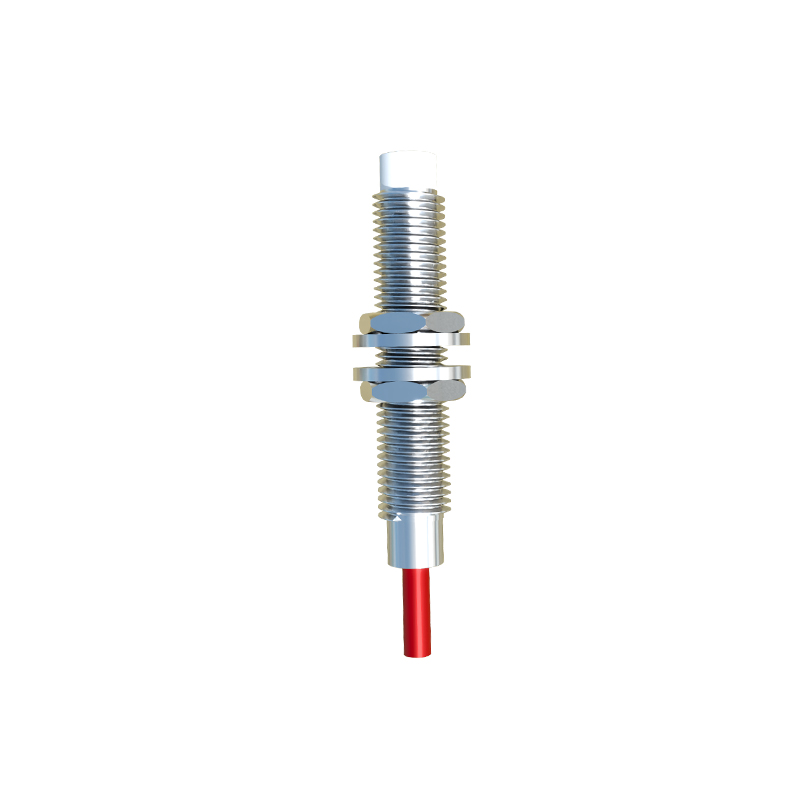
In conclusion, while more complex and often more costly than their single-probe counterparts, dual-proximity sensors solve a distinct set of challenges. They are not a universal replacement but a specialized tool for applications demanding higher safety standards, precise positional feedback, differential measurement, or advanced diagnostics. By providing two points of data and the intelligence to interpret them, they add a layer of decision-making directly at the sensor level, making automated systems smarter, safer, and more resilient. As industries continue to push for greater efficiency and connectivity, the role of intelligent sensing solutions like the dual-proximity sensor will only become more prominent.