Proximity suppression photoelectric sensors, also known as background suppression sensors, are advanced optical devices designed to detect objects within a specific sensing range while ignoring background targets beyond that range. Unlike standard photoelectric sensors that rely solely on reflected light intensity, these sensors utilize triangulation or time-of-flight measurement principles to achieve precise distance discrimination. This technology is critical in industrial automation where reliable object detection in cluttered or reflective environments is essential.
Proximity suppression photoelectric sensors, also known as background suppression sensors, are advanced optical devices designed to detect objects within a specific sensing range while ignoring background targets beyond that range. Unlike standard photoelectric sensors that rely solely on reflected light intensity, these sensors utilize triangulation or time-of-flight measurement principles to achieve precise distance discrimination. This technology is critical in industrial automation where reliable object detection in cluttered or reflective environments is essential.
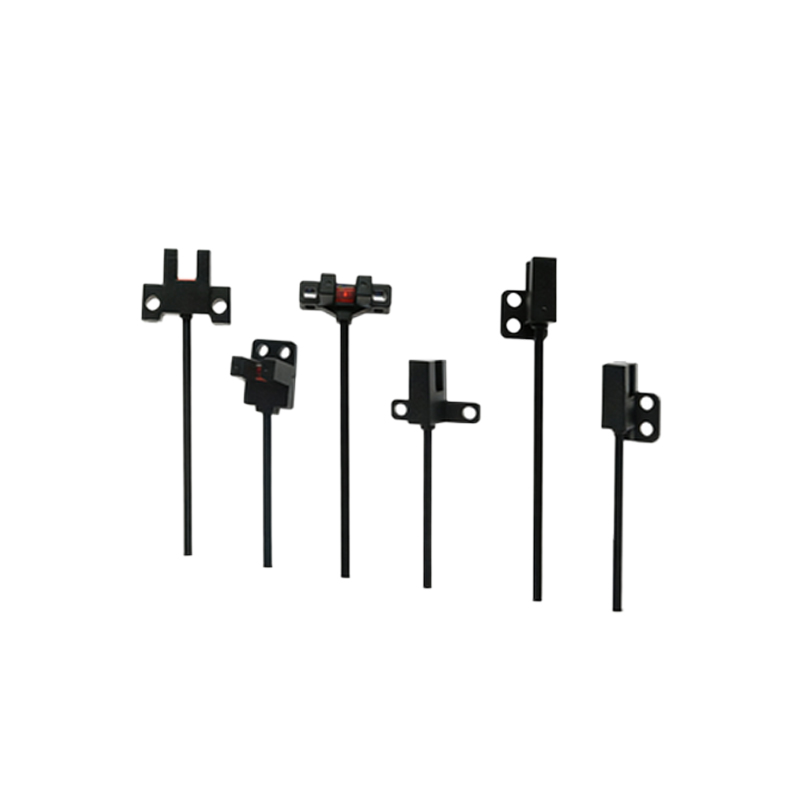
Working Principle and Technical Advantages
The core mechanism of a proximity suppression sensor involves an emitter and a dual-element receiver. The emitter projects a modulated light beam, typically infrared or visible red. The receiver consists of two photodiodes positioned at slightly different angles. When light reflects from an object within the preset cutoff distance, the reflected spot falls on the primary receiver element, triggering an output. For objects beyond the cutoff, the spot shifts to the secondary receiver, which suppresses detection. This design eliminates false triggers from shiny floors, conveyor belts, or adjacent machinery, offering a stable detection point regardless of target color or reflectivity.
Key Applications in Industrial Environments
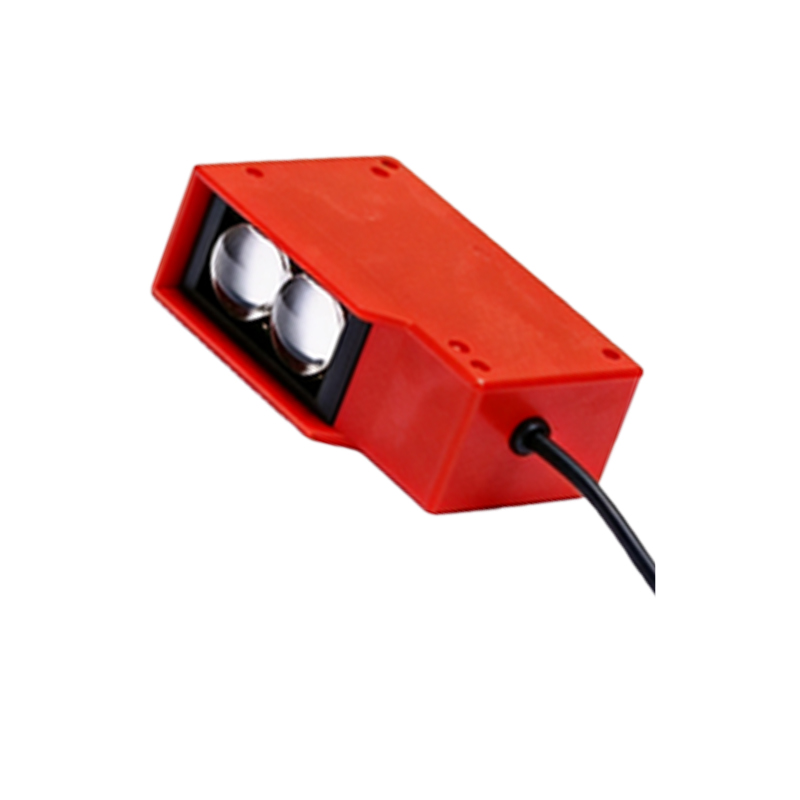
In manufacturing lines, these sensors excel in detecting small parts on vibrating conveyors, where traditional sensors might suffer from background noise. They are widely used in packaging for counting transparent or shiny containers, in automotive assembly for verifying component presence, and in material handling for detecting pallets or boxes. Their ability to ignore distant obstacles makes them ideal for automated guided vehicles (AGVs) for collision avoidance. Additionally, they perform reliably in dusty or humid conditions due to their sealed optics and high immunity to ambient light.
Selection Criteria for Electrical Engineers
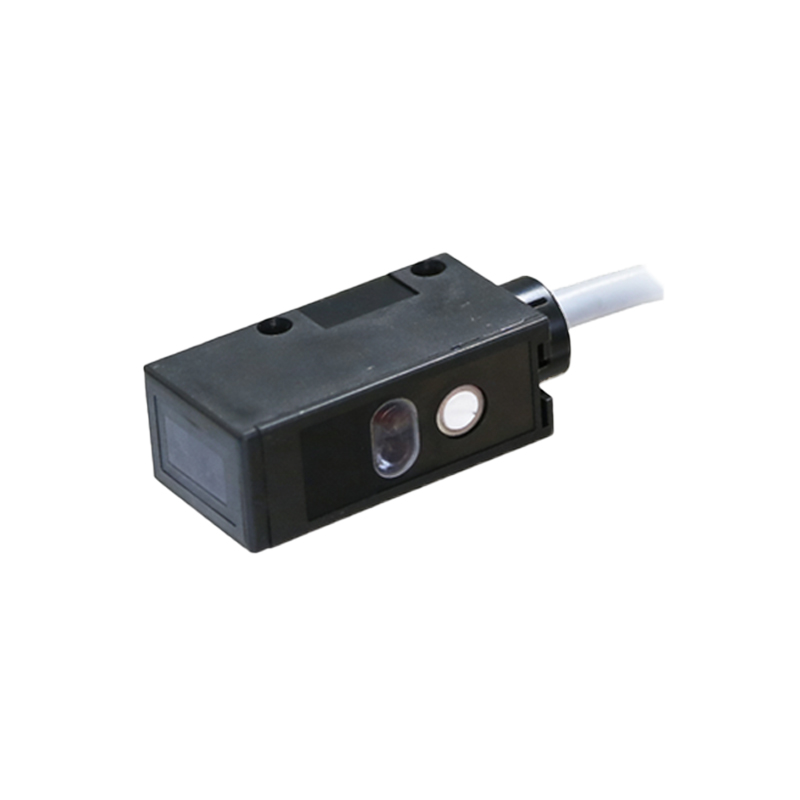
When specifying a proximity suppression sensor, engineers must consider sensing distance (typically 10 mm to 2 m), output type (PNP/NPN, analog, or IO-Link), response speed (often under 1 ms), and environmental ratings (IP67 or higher). The cutoff distance adjustment range is critical for fine-tuning. For applications with extreme temperature or vibration, choose models with robust metal housings and built-in temperature compensation. Compatibility with existing PLC systems and ease of alignment via teach-in buttons or potentiometers also reduces commissioning time.
Installation and Troubleshooting Best Practices
Proper installation requires mounting the sensor perpendicular to the target surface and ensuring the background is at least 20% beyond the set cutoff distance. Avoid reflective surfaces like mirrors or polished metal within the sensor's field of view. During troubleshooting, check for contamination on the lens, misalignment, or electrical interference from nearby motor drives. Using a test target (e.g., a white card at the exact cutoff point) can verify sensor performance. Always refer to the manufacturer's datasheet for specific wiring and calibration steps.
Future Trends and Integration with Industry 4.0
Emerging proximity suppression sensors now incorporate IO-Link communication for real-time diagnostics and remote parameter adjustment. Smart sensors with built-in self-monitoring can predict failures, reducing downtime. As automation moves toward collaborative robots and flexible manufacturing, these sensors will integrate with vision systems and edge computing for adaptive detection. Engineers should anticipate higher resolution, smaller form factors, and energy-efficient designs for battery-powered IoT nodes.
The core mechanism of a proximity suppression sensor involves an emitter and a dual-element receiver. The emitter projects a modulated light beam, typically infrared or visible red. The receiver consists of two photodiodes positioned at slightly different angles. When light reflects from an object within the preset cutoff distance, the reflected spot falls on the primary receiver element, triggering an output. For objects beyond the cutoff, the spot shifts to the secondary receiver, which suppresses detection. This design eliminates false triggers from shiny floors, conveyor belts, or adjacent machinery, offering a stable detection point regardless of target color or reflectivity.
In manufacturing lines, these sensors excel in detecting small parts on vibrating conveyors, where traditional sensors might suffer from background noise. They are widely used in packaging for counting transparent or shiny containers, in automotive assembly for verifying component presence, and in material handling for detecting pallets or boxes. Their ability to ignore distant obstacles makes them ideal for automated guided vehicles (AGVs) for collision avoidance. Additionally, they perform reliably in dusty or humid conditions due to their sealed optics and high immunity to ambient light.
When specifying a proximity suppression sensor, engineers must consider sensing distance (typically 10 mm to 2 m), output type (PNP/NPN, analog, or IO-Link), response speed (often under 1 ms), and environmental ratings (IP67 or higher). The cutoff distance adjustment range is critical for fine-tuning. For applications with extreme temperature or vibration, choose models with robust metal housings and built-in temperature compensation. Compatibility with existing PLC systems and ease of alignment via teach-in buttons or potentiometers also reduces commissioning time.
Proper installation requires mounting the sensor perpendicular to the target surface and ensuring the background is at least 20% beyond the set cutoff distance. Avoid reflective surfaces like mirrors or polished metal within the sensor's field of view. During troubleshooting, check for contamination on the lens, misalignment, or electrical interference from nearby motor drives. Using a test target (e.g., a white card at the exact cutoff point) can verify sensor performance. Always refer to the manufacturer's datasheet for specific wiring and calibration steps.
Emerging proximity suppression sensors now incorporate IO-Link communication for real-time diagnostics and remote parameter adjustment. Smart sensors with built-in self-monitoring can predict failures, reducing downtime. As automation moves toward collaborative robots and flexible manufacturing, these sensors will integrate with vision systems and edge computing for adaptive detection. Engineers should anticipate higher resolution, smaller form factors, and energy-efficient designs for battery-powered IoT nodes.