Introduction to High-Penetration Through-Beam Sensors
In industrial automation, through-beam photoelectric sensors are essential for detecting objects in harsh environments. High-penetration variants, designed with enhanced optical power and advanced lens systems, offer superior performance in dusty, foggy, or opaque conditions. These sensors consist of a separate emitter and receiver, ensuring reliable operation over long distances, often exceeding 50 meters. Their robust construction and immunity to ambient light interference make them ideal for heavy-duty applications like conveyor systems, material handling, and security barriers.
Key Technical Specifications
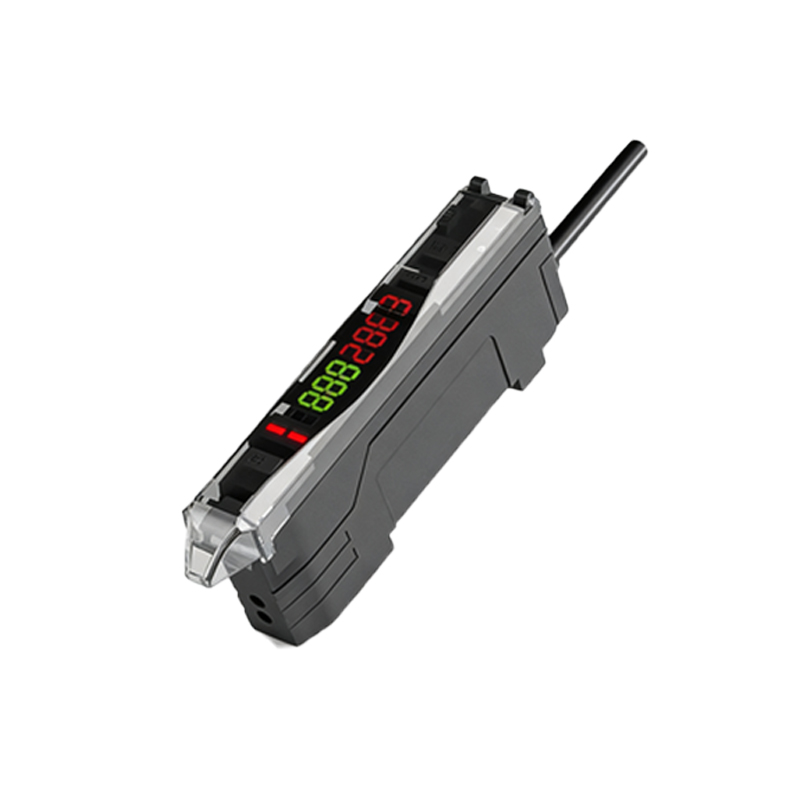
High-penetration through-beam sensors typically feature infrared or red light wavelengths, with emitting power up to 100 mW for exceptional beam strength. They operate at frequencies above 1 kHz, enabling detection of fast-moving targets. The sensors include IP67 or higher ratings, with stainless steel housings for corrosion resistance. Response time is as low as 0.5 ms, ensuring precision in high-speed lines. Additionally, they support multiple output types, such as NPN, PNP, and analog signals, for seamless PLC integration.
Applications in Challenging Environments
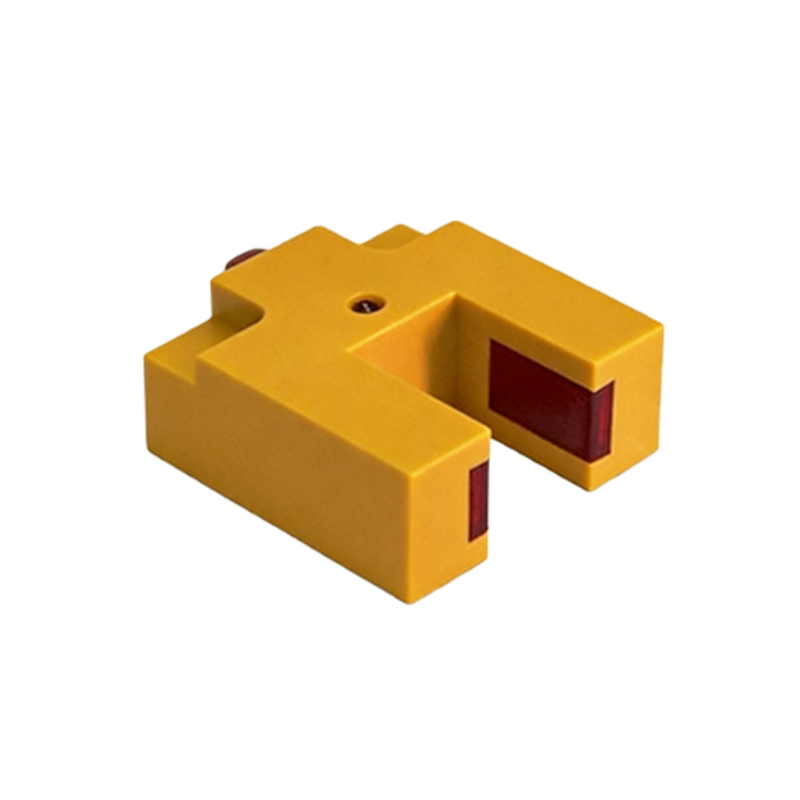
These sensors excel in industries like mining, automotive, and logistics. In mining, they detect large rocks on conveyors despite heavy dust. In automotive assembly, they monitor vehicle chassis in painting booths with high humidity. For warehouse automation, they verify pallet alignment in low-visibility conditions. Their ability to penetrate smoke, steam, or oil mist ensures uninterrupted operation in food processing and chemical plants.
Installation and Alignment Best Practices
Proper alignment is critical for optimal performance. Install the emitter and receiver on stable mounts, ensuring optical axis alignment within ±0.5 degrees. Use a laser alignment tool for distances over 30 meters. Avoid reflective surfaces near the beam path. For extreme environments, add air purge systems to keep lenses clean. Calibrate sensitivity using a potentiometer to filter out interference from external light sources.
Advantages Over Other Sensor Types
Compared to retro-reflective or diffuse sensors, through-beam designs offer unmatched detection range and reliability. They are unaffected by object color, surface finish, or shape. With no reflector maintenance, they reduce downtime. Their high immunity to electromagnetic interference (EMI) makes them suitable for heavy machinery and welding equipment.
Maintenance and Troubleshooting
Regularly inspect lens for dirt or damage using a soft cloth and isopropyl alcohol. Verify beam intensity with a test target. If output fails, check for wiring faults or power supply fluctuations. For intermittent detection, adjust alignment or replace contaminated lenses. Use diagnostics tools like LED indicators to monitor signal strength.
Future Trends in High-Penetration Sensors
Emerging technologies include adaptive beam focusing and IoT-enabled telemetry. These sensors will incorporate machine learning to calibrate automatically against environmental changes. Advanced materials like sapphire lenses will improve durability in extreme temperatures. Integration with 5G networks enables real-time data logging for predictive maintenance.