Introduction to Diffuse Photoelectric Sensors
Diffuse photoelectric sensors are a fundamental component in industrial automation, used to detect objects without physical contact. These sensors emit a beam of light, typically infrared or visible red, and detect the light reflected from an object’s surface. Unlike through-beam or retro-reflective sensors, diffuse sensors integrate the emitter and receiver in a single housing, making them compact and easy to install. Their primary advantage lies in detecting objects regardless of color, texture, or material, though sensitivity can vary based on reflectivity. In this guide, we explore the main types of diffuse photoelectric sensors used in the electrical industry, focusing on their operating principles, applications, and selection criteria.
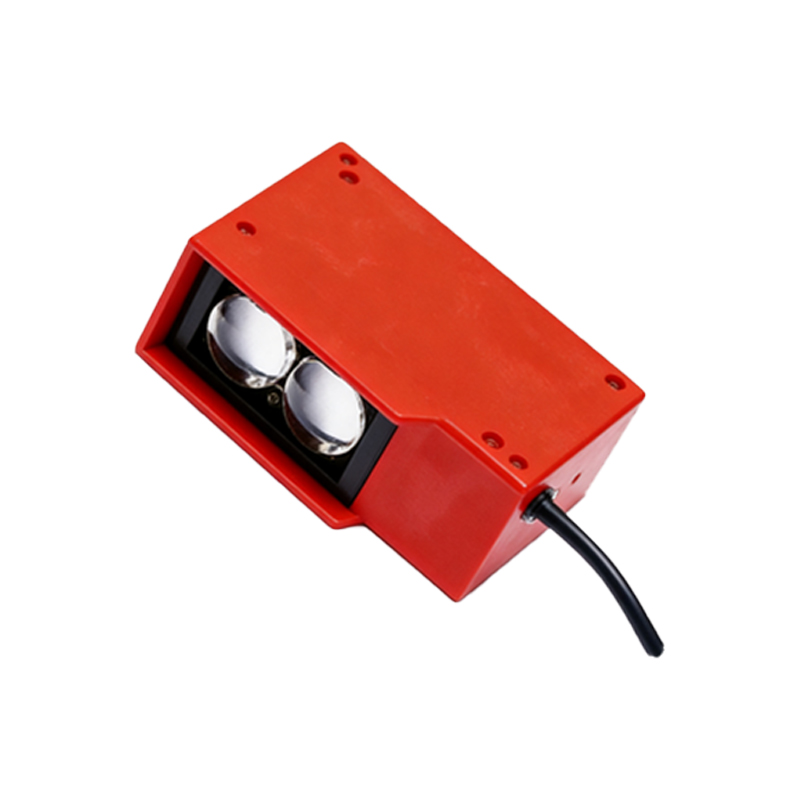
Standard Diffuse Photoelectric Sensors
The most common type is the standard diffuse photoelectric sensor. It operates by emitting a continuous beam and measuring the amount of light reflected back to the receiver. When an object enters the sensing field, the intensity of reflected light changes, triggering an output signal. These sensors are ideal for detecting opaque or highly reflective objects at short to medium ranges, typically up to 1 meter. They are widely used in packaging, conveyor systems, and material handling, where consistent detection is required. However, they can struggle with dark or transparent objects due to low reflectivity.
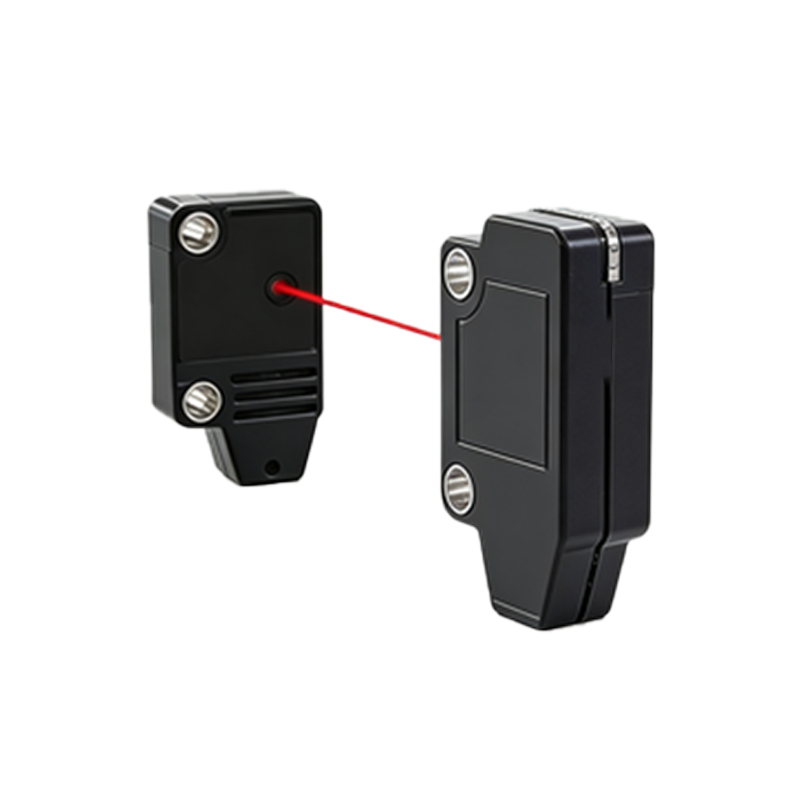
Background Suppression Diffuse Sensors
Background suppression diffuse sensors use advanced optics to precisely define the detection zone, ignoring objects beyond a set cutoff distance. By employing triangulation or time-of-flight technology, these sensors can distinguish between the target object and background surfaces, such as floors or machines. This makes them excellent for applications with varying background conditions, like robotic pick-and-place or automotive assembly. Their range is often adjustable, allowing engineers to optimize sensitivity for specific tasks.
Foreground Suppression Diffuse Sensors
Foreground suppression sensors are the inverse of background suppression models. They detect objects only within a specific foreground zone, ignoring objects that are too close to the sensor face. This is achieved through dual-lens or multi-pixel arrangements that filter out near-field reflections. These sensors are valuable in tight spaces where objects may approach rapidly, such as in labeling machines or small-parts inspection. Their ability to avoid false triggers from nearby structures enhances reliability.
Long-Range Diffuse Sensors with Enhanced Optics
For applications requiring detection beyond standard ranges, long-range diffuse sensors utilize high-power LEDs, laser diodes, or focused lenses. These sensors can detect objects up to 2 meters or more, even with low-reflectivity surfaces. Laser-based variants offer excellent precision and are used in metalworking, woodworking, and logistics for quickly moving items. They are particularly effective in dusty or dirty environments due to their high signal-to-noise ratio, but may require careful alignment and protection from external light interference.
Specialized Diffuse Sensors for Transparent and Small Objects
Some diffuse sensors are optimized for challenging targets like transparent glass, clear plastic, or very small components. These sensors often use polarized or modulated light to reduce glare and improve detection of clear materials. For tiny objects, such as electronics components, sensors with narrow beam angles and fast response times are available. Examples include sensors used in pharmaceutical packaging and semiconductor manufacturing, where precision is critical.
Selection Criteria and Installation Tips
Choosing the right diffuse sensor depends on factors such as object color, surface finish, distance, and environmental conditions. For dark objects, a sensor with high sensitivity or background suppression is recommended. For dusty areas, consider sensors with IP67 rating and resistant lenses. Installation should ensure the sensor’s optical axis is perpendicular to the target surface, and avoid direct sunlight or strong artificial lights. Always test with representative samples to confirm performance.
ends here.