Introduction to Photoelectric Sensors and Proximity Switches
In the realm of industrial automation, precise object detection is critical for efficiency and safety. Two of the most widely used technologies are photoelectric sensors and proximity switches. Photoelectric sensors use light beams to detect the presence, absence, or distance of objects, while proximity switches rely on electromagnetic fields or capacitive changes. Both serve distinct purposes in manufacturing lines, packaging systems, and robotic applications.
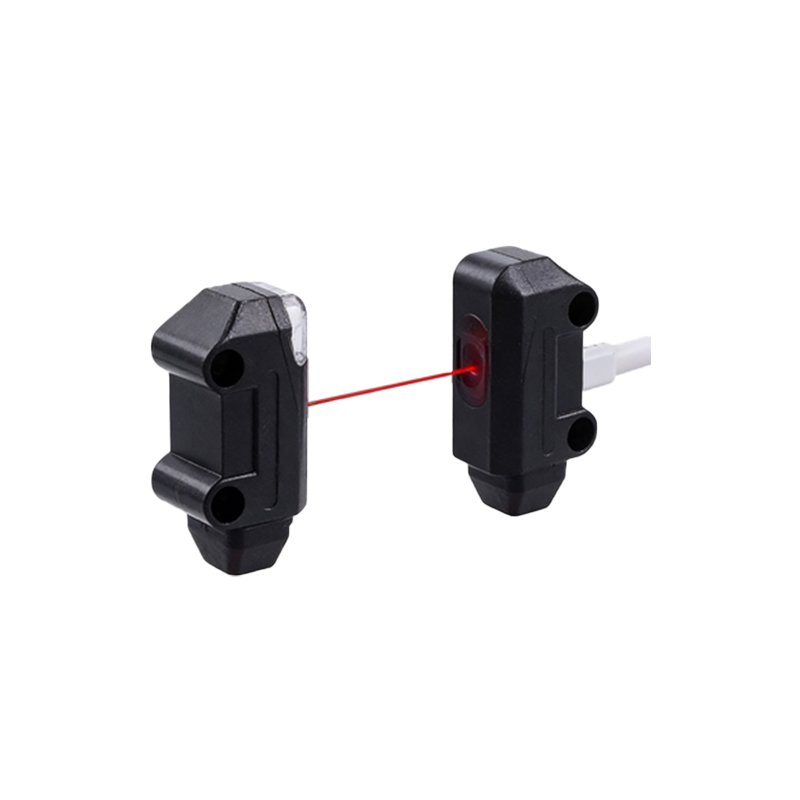
Working Principles of Photoelectric Sensors
Photoelectric sensors operate by emitting a light source, typically infrared, visible red, or laser, and detecting the reflection or interruption of that light. They come in three main modes: through-beam, retro-reflective, and diffuse. Through-beam sensors have a separate emitter and receiver, offering long detection ranges up to 30 meters. Retro-reflective sensors use a reflector to bounce light back, ideal for transparent objects. Diffuse sensors detect light reflected directly from the target, making them suitable for opaque objects.
Working Principles of Proximity Switches
Proximity switches, also known as proximity sensors, detect objects without physical contact using inductive, capacitive, or magnetic principles. Inductive proximity switches detect metallic objects by generating an electromagnetic field and sensing eddy currents. Capacitive switches detect both metallic and non-metallic materials, including liquids and powders, by measuring changes in capacitance. Magnetic versions rely on reed switches or Hall effect sensors for applications like position sensing in harsh environments.
Key Applications in Industry
Photoelectric sensors excel in applications requiring long-range detection, such as conveyor belt monitoring, counting objects at high speeds, and detecting transparent or shiny materials. Proximity switches are favored for their durability in dirty, wet, or high-vibration settings, commonly used in automotive assembly lines, fluid level monitoring, and machine tool positioning. Both are integral to safety systems like light curtains.
Selection Criteria for Engineers
When choosing between these sensors, consider environmental factors. Photoelectric sensors are sensitive to dust, fog, and ambient light, but modern modulated light models mitigate this. Proximity switches offer robust performance against contaminants but have limited sensing distances, typically up to 50 mm for inductive types. Cost, target material, and response time also influence selection. For example, fast response times of below 1 ms make photoelectric sensors ideal for high-speed sorting.
Installation and Maintenance Best Practices
Proper alignment is crucial for photoelectric sensors; misalignment can cause false triggers. Use mounting brackets and avoid reflective surfaces near the beam path. Proximity switches require correct sensing distance calibration and protection from metal debris. Regular cleaning of optics for photoelectric sensors and checking for electrical noise in proximity switch wiring ensures reliable operation.
Future Trends in Sensor Technology
Advancements include IO-Link communication for smart diagnostics, miniaturization for embedded systems, and hybrid sensors combining both technologies. The push for Industry 4.0 drives integration with PLCs and cloud-based monitoring, enhancing predictive maintenance.