2026-06-06
Tech Hub
By 创始人
Understanding Photoelectric Sensors: Key Technologies and Industrial Applications
Introduction to Photoelectric Sensors
Photoelectric sensors are essential components in modern industrial automation, converting light signals into electrical outputs for detecting objects, distances, and presence. These sensors operate based on the principle of emitting a light beam—typically visible or infrared—and measuring the reflection or interruption of that beam. In the electrical industry, they are prized for their non-contact detection, high speed, and reliability in harsh environments. Common applications include conveyor belt control, packaging line monitoring, and safety systems.
Working Principles of Photoelectric Sensors
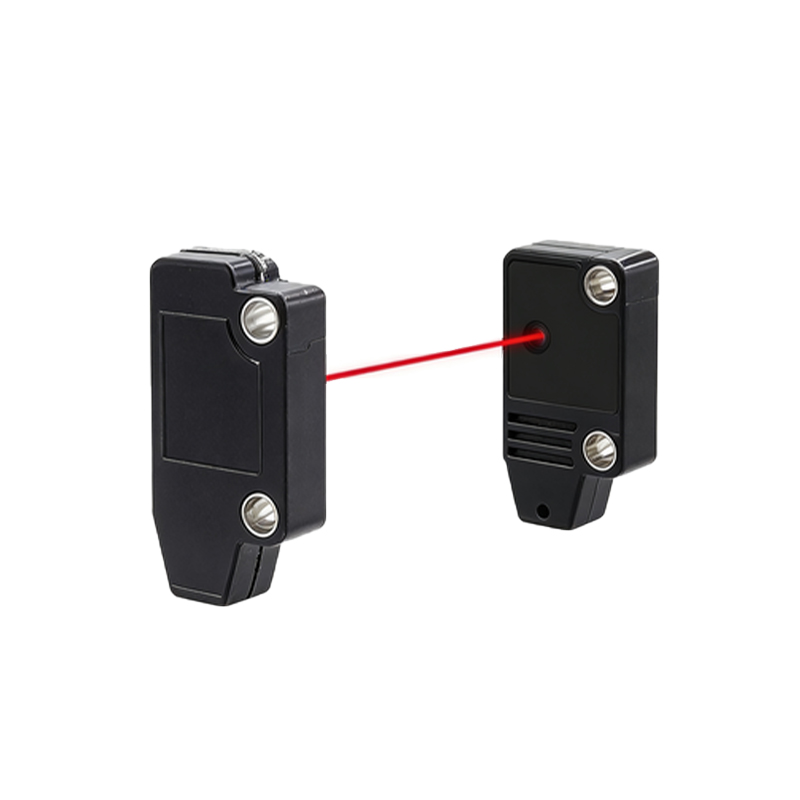
Photoelectric sensors function through three main modes: through-beam, retro-reflective, and diffuse. In through-beam mode, a separate emitter and receiver are aligned; when an object breaks the beam, the sensor triggers. Retro-reflective sensors use a reflector to bounce light back to the receiver, while diffuse sensors rely on the object itself to reflect light. Each mode offers distinct advantages: through-beam provides maximum range, retro-reflective simplifies alignment, and diffuse is ideal for close-range detection of irregular shapes. The choice depends on environmental factors like dust, ambient light, and target material.
Key Technical Specifications
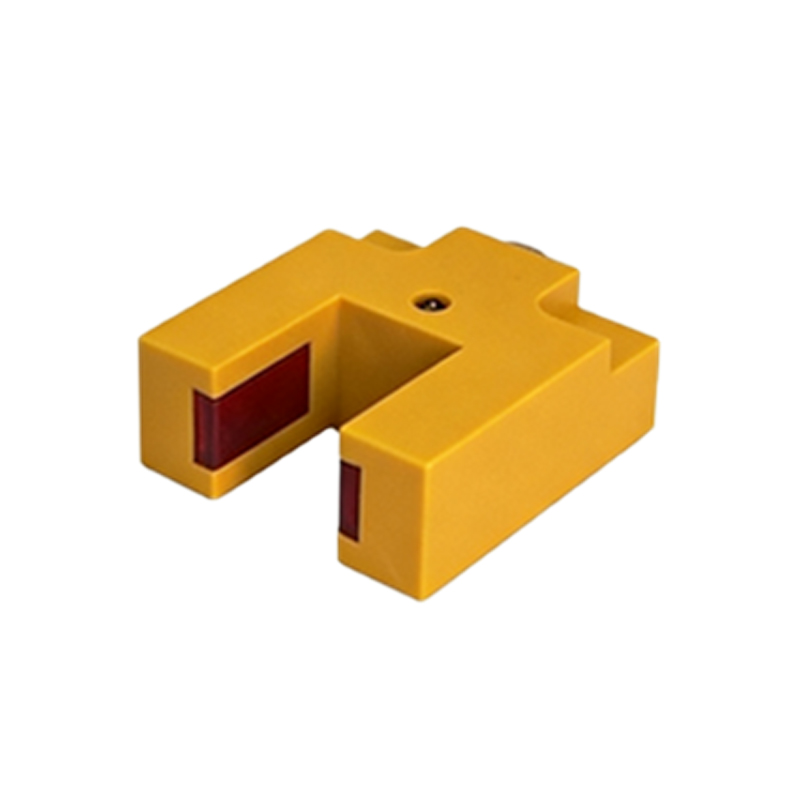
When specifying photoelectric sensors, engineers consider parameters such as sensing range, response time, output type (e.g., NPN/PNP or analog), and light source wavelength. Infrared sensors are common for long distances, while visible red lasers offer precise targeting. Response times can be as low as 0.1 milliseconds for high-speed sorting. Additionally, IP ratings (e.g., IP67) ensure protection against water and dust. Advanced models feature built-in diagnostics and IO-Link communication for real-time data integration into control systems.
Industrial Applications and Benefits
Photoelectric sensors excel in manufacturing environments where mechanical contact is impractical. For instance, in automotive assembly, they detect part presence on conveyors; in food processing, they monitor bottle fill levels without contamination. Their benefits include reduced downtime, maintenance-free operation, and adaptability to moving targets. Compared to inductive or capacitive sensors, photoelectric versions handle transparent or reflective objects more effectively, making them indispensable for glass, plastic, and metal detection.
Selection Criteria for Engineers
Choosing the right sensor requires evaluating the target's properties (color, shape, material), environmental conditions (temperature, humidity, vibration), and installation constraints. For dusty areas, through-beam sensors minimize false triggers. For confined spaces, fiber optic extensions allow remote placement of electronics. Engineers should also consider cable length, connector types, and compatibility with existing PLCs. A thorough risk assessment ensures the sensor meets safety standards like SIL or PL ratings.
Future Trends in Photoelectric Sensor Technology
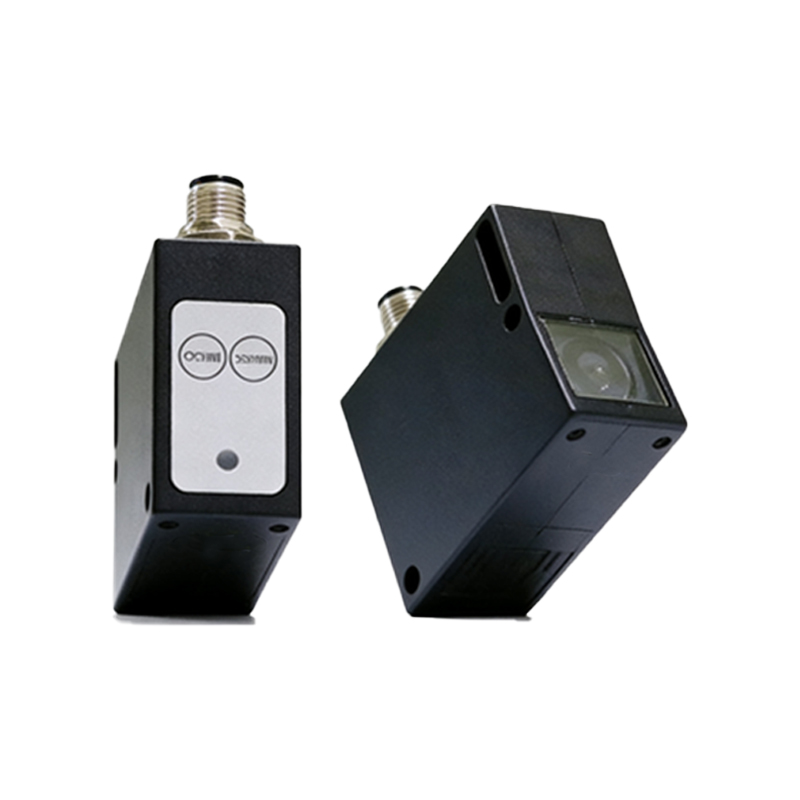
The evolution of photoelectric sensors is driven by Industry 4.0 and smart manufacturing. Emerging trends include miniaturization for embedded systems, increased use of laser and LED arrays for multi-point detection, and integration with artificial intelligence for adaptive thresholding. Wireless connectivity and energy harvesting are also gaining traction, enabling self-powered sensors for remote monitoring. As automation demands grow, photoelectric sensors will continue to enhance precision, efficiency, and safety in industrial processes.