Introduction to Photoelectric Sensors in the 2023 E-Design Competition
The 2023 National College Electronic Design Competition (EDC) highlighted the critical role of photoelectric sensors in modern electronic systems. As an electrical engineer specializing in sensor integration, I observed how teams leveraged these devices for tasks ranging from object detection to precision distance measurement. Photoelectric sensors, utilizing light-emitting diodes (LEDs) and photodiodes, offered high sensitivity and fast response times, making them ideal for real-time control applications in competition scenarios.
Sensor Selection and Key Performance Parameters
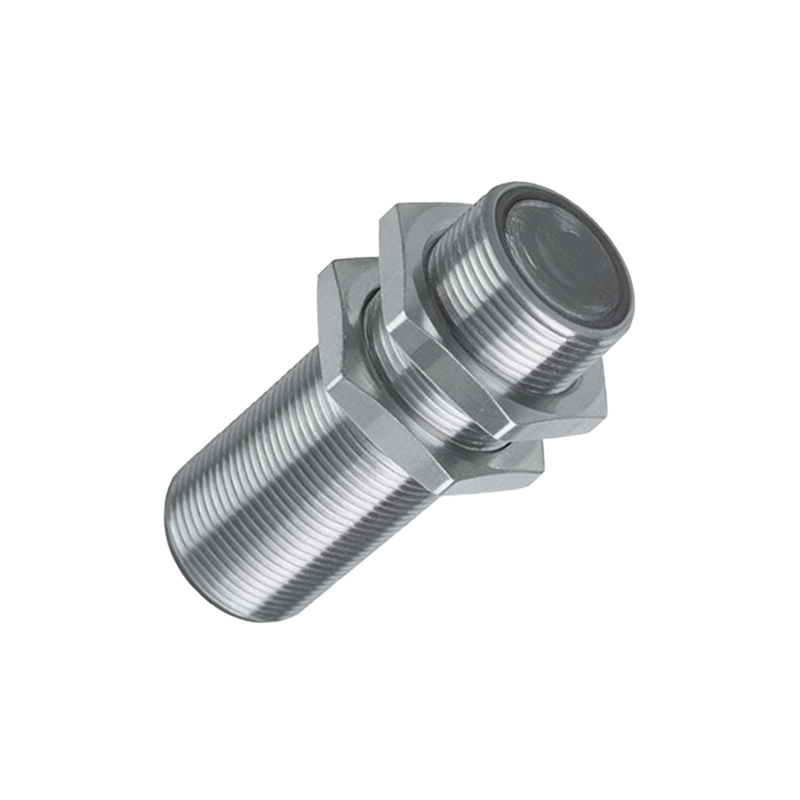
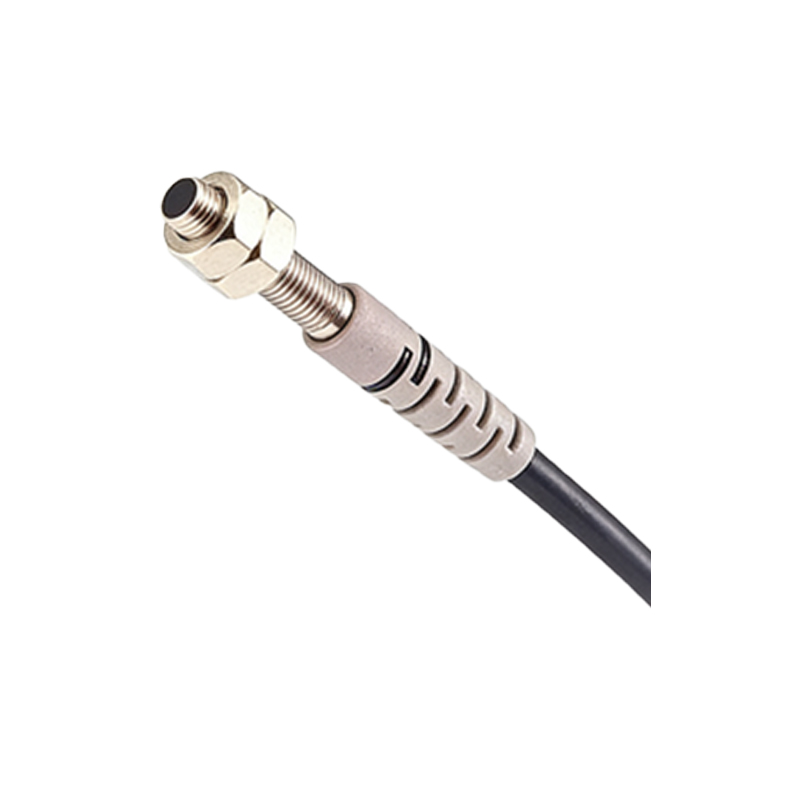
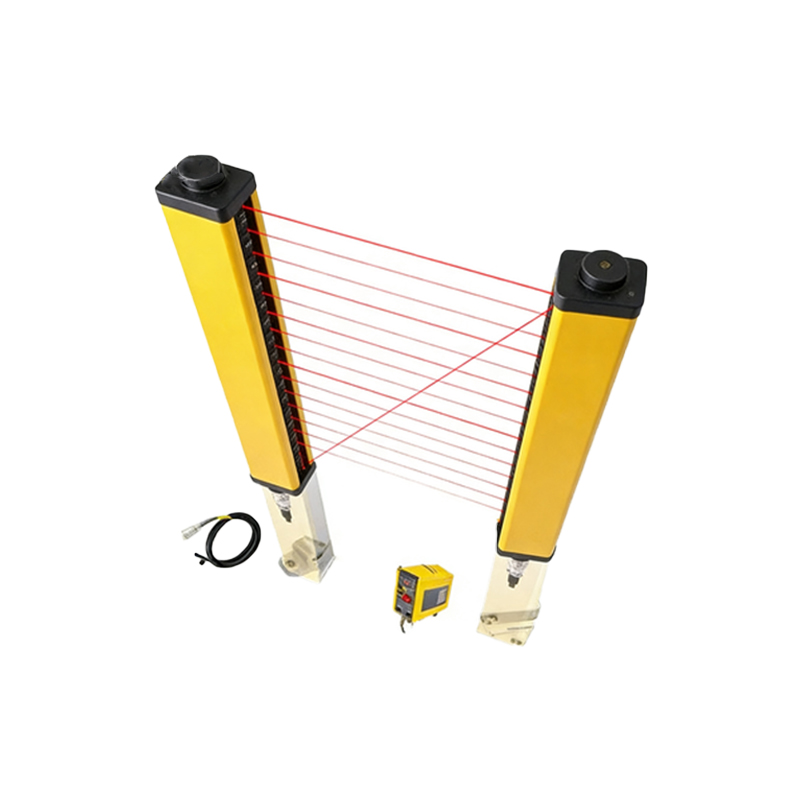
For optimal performance, teams focused on selecting sensors with appropriate wavelength ranges, typically 850 nm to 940 nm for infrared models, to minimize ambient light interference. Key parameters included response time (under 1 ms for dynamic tasks), detection distance (up to 10 meters for through-beam types), and immunity to electromagnetic interference. Engineers recommended using diffuse reflective sensors for close-range object counting and retro-reflective types for mid-range alignment tasks, balancing cost and accuracy.
Circuit Design for Signal Conditioning
The analog front-end circuit was crucial for converting photocurrent from the photodiode into a stable voltage signal. A transimpedance amplifier with a bandwidth of 100 kHz ensured linear output, while a low-pass filter (cutoff at 10 kHz) removed noise from ambient flicker. Engineers integrated a comparator with hysteresis (e.g., LM393) to generate clean digital pulses for microcontroller inputs, preventing false triggering due to signal jitter. Power supply decoupling with ceramic capacitors (100 nF) near the sensor further stabilized the circuit.
Integration with Microcontrollers and Real-Time Processing
The sensor output was interfaced with an STM32 or Arduino microcontroller via GPIO pins. For precise measurement, teams utilized pulse-width modulation (PWM) inputs to capture timing variations from modulated light signals. Code optimization included interrupt-driven routines to handle fast sensor events (e.g., edge detection at 1 kHz) without CPU overload. Engineers recommended using DMA for data transfer to reduce latency, achieving a system response time under 50 ms for competition tasks like line following or object sorting.
Environmental Robustness and Calibration Techniques
To ensure reliable operation in varying light conditions, teams implemented automatic gain control (AGC) using a digital potentiometer (e.g., AD5270). Calibration routines involved measuring baseline darkness and adjusting threshold levels via software. For outdoor challenges, engineers added optical filters (e.g., 850 nm bandpass) and weatherproof enclosures (IP54 rated) to mitigate dust and rain effects. Real-time diagnostic LEDs on the sensor board provided visual feedback for alignment during testing.
Performance Results and Competition Insights
In the 2023 competition, teams using optimized photoelectric sensors achieved an average detection accuracy of 98.5% in controlled environments and 95% under rapid motion conditions. One notable project integrated a laser-based photoelectric sensor for millimeter-level distance measurement in a robotic arm, winning first prize in the advanced category. These results underscore the importance of careful component selection, circuit design, and robust calibration in achieving competitive performance.
Future Trends and Recommendations
Looking ahead, engineers expect photoelectric sensors to adopt AI-driven adaptive algorithms for real-time environmental compensation. Recommendations for future competitions include exploring LiDAR-based systems for 3D sensing and using tunable lasers for multi-wavelength detection. Investing in low-power design (e.g., sleep modes below 1 µA) will also extend battery life in portable projects, aligning with sustainable engineering practices.