In the intricate dance of modern industrial automation, where precision, reliability, and safety are non-negotiable, a class of devices works tirelessly and unseen. Industrial-grade proximity sensors are these silent sentinels. Far more robust than their commercial counterparts, these sensors form the critical sensory layer of countless automated systems, from high-speed packaging lines and robotic welding cells to heavy-duty CNC machining centers and hazardous material handling.
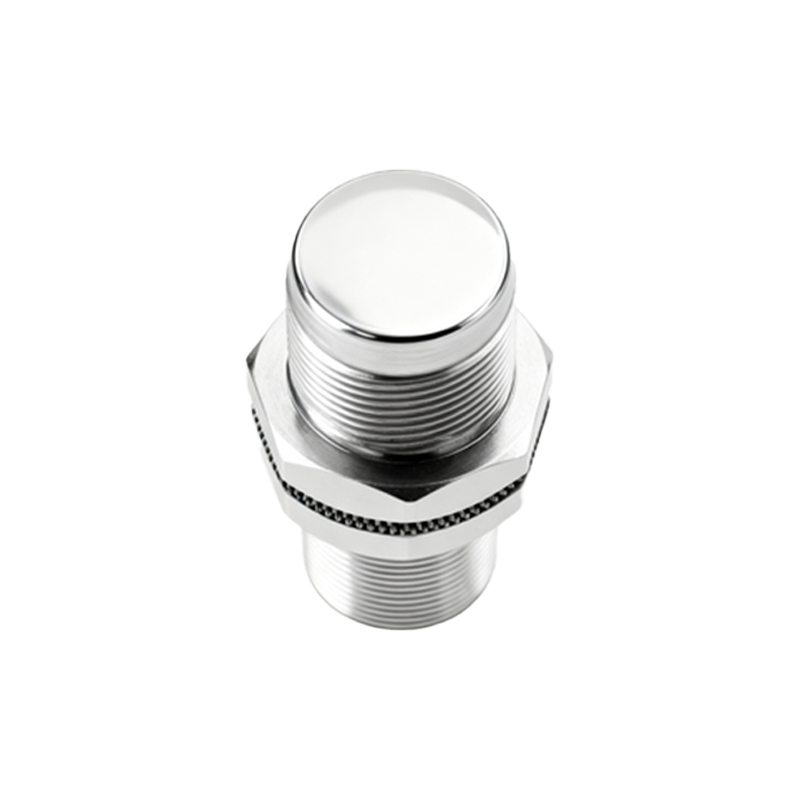
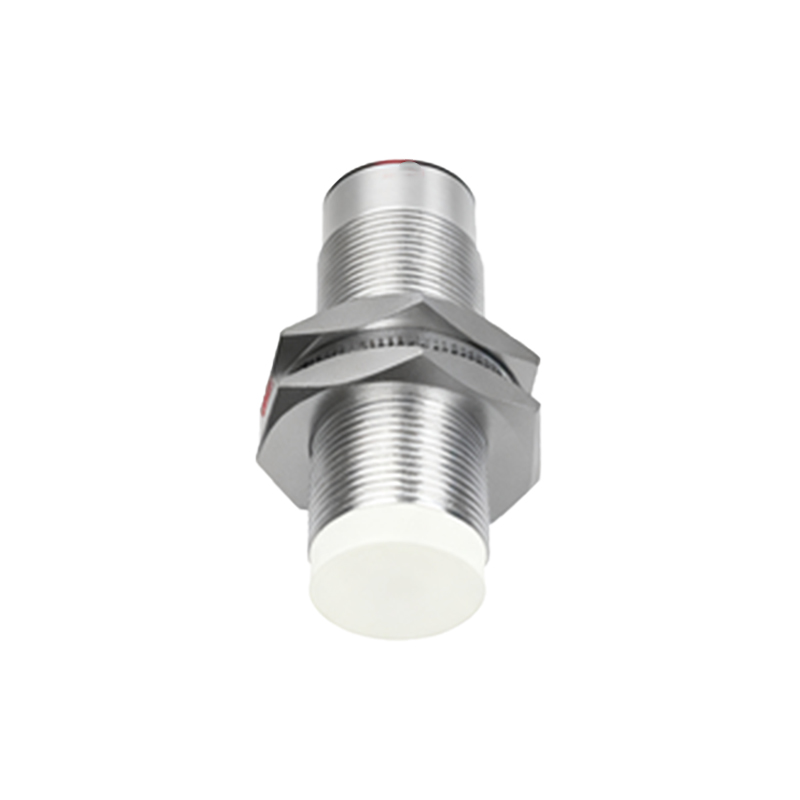
An industrial proximity sensor is a non-contact electronic device designed to detect the presence or absence of an object within its sensing range without physical contact. This fundamental principle eliminates mechanical wear and tear, enabling millions of reliable detection cycles in harsh environments where dust, coolant, vibration, and extreme temperatures are commonplace. The "industrial-grade" designation signifies a product built to withstand these rigors, featuring hardened casings (often from stainless steel or PBT plastic), high ingress protection (IP) ratings like IP67 or IP69K, and superior electrical noise immunity.
The technology behind these sensors is diverse, each suited to specific applications. Inductive proximity sensors are the workhorses for detecting metallic objects. They generate an electromagnetic field; when a metal target enters this field, it causes a change in oscillation, triggering the sensor's output. Capacitive sensors, on the other hand, can detect both metallic and non-metallic materials (like plastics, wood, or liquids) by measuring changes in capacitance. For longer ranges or detecting any material regardless of color or reflectivity, ultrasonic sensors emit sound waves and measure their echo. Photoelectric sensors use light beams (visible, infrared, or laser) and are excellent for long-range detection and small object sensing.
The selection of an industrial proximity sensor is a calculated decision based on several key parameters. Sensing range, the maximum distance at which the sensor can reliably detect a standard target, is paramount. Repeat accuracy, the sensor's ability to consistently detect an object at the same point, is crucial for precision positioning. Response frequency indicates how quickly the sensor can detect objects passing by, a vital factor in high-speed applications. Environmental factors like temperature rating, resistance to chemicals, and shock/vibration tolerance dictate the sensor's housing and sealing requirements. Finally, the output type—typically a discrete PNP/NPN signal or analog 4-20mA/0-10V signal—must interface seamlessly with the programmable logic controller (PLC) or other control system.
The applications are as varied as industry itself. On an automotive assembly line, inductive sensors verify the presence of engine blocks or trigger robotic arms for precise part placement. In food and beverage processing, capacitive sensors monitor fill levels in tanks through container walls, while stainless-steel-housed photoelectric sensors count bottles on conveyors, resisting constant washdowns. In metalworking, sensors provide tool breakage detection and part positioning on lathes and mills. They are integral to safety systems, forming part of light curtains and area guarding to protect personnel.
The evolution of Industry 4.0 and the Industrial Internet of Things (IIoT) is pushing proximity sensors to new frontiers. Modern sensors now come with integrated IO-Link communication, a game-changing feature. IO-Link transforms a simple binary switch into an intelligent device capable of transmitting detailed diagnostic data—such as operating temperature, signal strength, and device health—back to the control system. This enables predictive maintenance, where potential failures can be anticipated before they cause downtime, and allows for remote parameter adjustment, drastically reducing machine setup times.
Implementing these sensors effectively requires attention to detail. Proper mounting, ensuring the correct distance and alignment from the target, is essential. Engineers must account for the sensor's "blind zone" (the area immediately in front of the sensing face) and the influence of surrounding metals on inductive sensors. Selecting the right form factor—barrel, rectangular, or ring-shaped—for the mechanical constraints is also critical. Regular maintenance, though minimal, involves checking for physical damage, buildup of contaminants on the sensing face, and verifying electrical connections.
In conclusion, industrial proximity sensors are far from simple on/off switches. They are sophisticated, ruggedized components that translate physical presence into actionable data for control systems. Their relentless reliability enables the speed, efficiency, and complexity of contemporary manufacturing. As automation grows smarter and more connected, the role of the intelligent, data-capable industrial proximity sensor will only become more central, continuing to be the indispensable backbone of industrial sensing and control.