Understanding the Absorption Challenge
In the realm of industrial automation, photoelectric sensors are fundamental for object detection, but black clothing presents a unique absorption challenge. Unlike lighter colors that reflect more light, black materials absorb a significant portion of emitted beams, particularly in the infrared spectrum. This absorption reduces the signal strength returned to the sensor, often leading to missed detections or false triggers. For engineers, this is a critical factor when specifying sensors for applications like textile handling, garment manufacturing, or conveyor systems handling dark materials. The phenomenon is rooted in the optical properties of dyes and fabrics, where carbon-based pigments in black textiles trap light energy, converting it to heat rather than reflecting it back. Consequently, standard retroreflective or diffuse sensors may fail to reliably detect black objects, necessitating specialized sensor selection.
Sensor Types and Their Performance
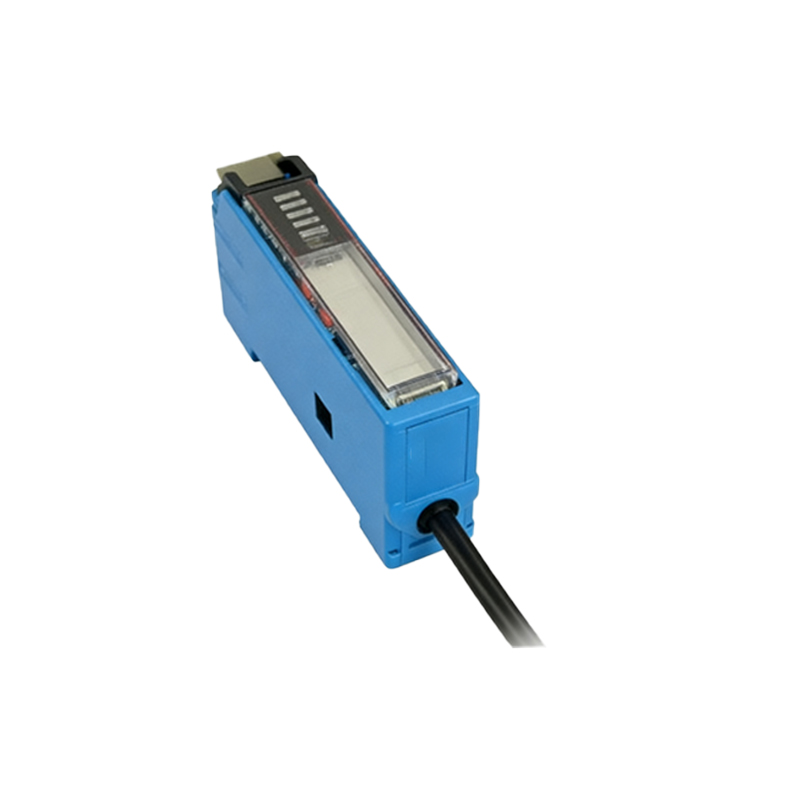
Different photoelectric sensor types exhibit varying performance with black clothing. Through-beam sensors, which have separate emitter and receiver units, are least affected because the detection relies on beam interruption rather than reflection. They offer high reliability regardless of object color, making them suitable for critical applications. In contrast, diffuse reflective sensors, which rely on light reflected from the object, suffer most from black absorption. For instance, a standard diffuse sensor might have a detection range of 1 meter for white objects but only 0.2 meters for black fabric. Retroreflective sensors, using a reflector, fall in between, but performance degrades if the black clothing is glossy or highly absorptive. Engineers must calculate these range reductions during system design to avoid operational errors. Industry data suggests using sensors with background suppression or those operating in the visible red light spectrum, as some black materials reflect red light more effectively than infrared.
Practical Solutions for Engineers
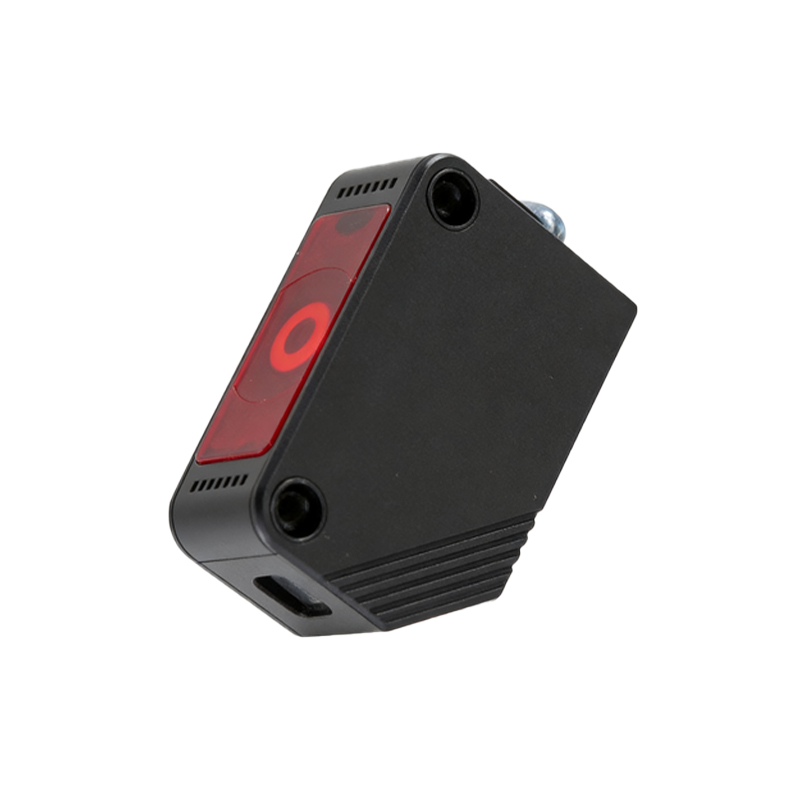
To overcome the black clothing detection issue, several practical solutions exist. First, select sensors with adjustable sensitivity or those specifically marketed as "black object detection" models. These often use high-intensity LEDs or laser diodes to compensate for absorption. Second, employ through-beam setups where possible, as they are immune to color variations. Third, consider using ultraviolet (UV) sensors, which can detect black textiles by fluorescence, though this depends on fabric additives. For existing systems, adjusting the sensing angle or adding a reflective background can help. Calibration is also crucial: perform on-site tests with actual black fabrics to set thresholds. In one case study, a textile plant reduced false alarms by 40% after switching to a polarized retroreflective sensor with a red LED, paired with a special reflector. Always verify sensor datasheets for "object reflectivity" specifications, which list minimum reflection percentages for reliable operation.
Future Trends in Sensor Technology
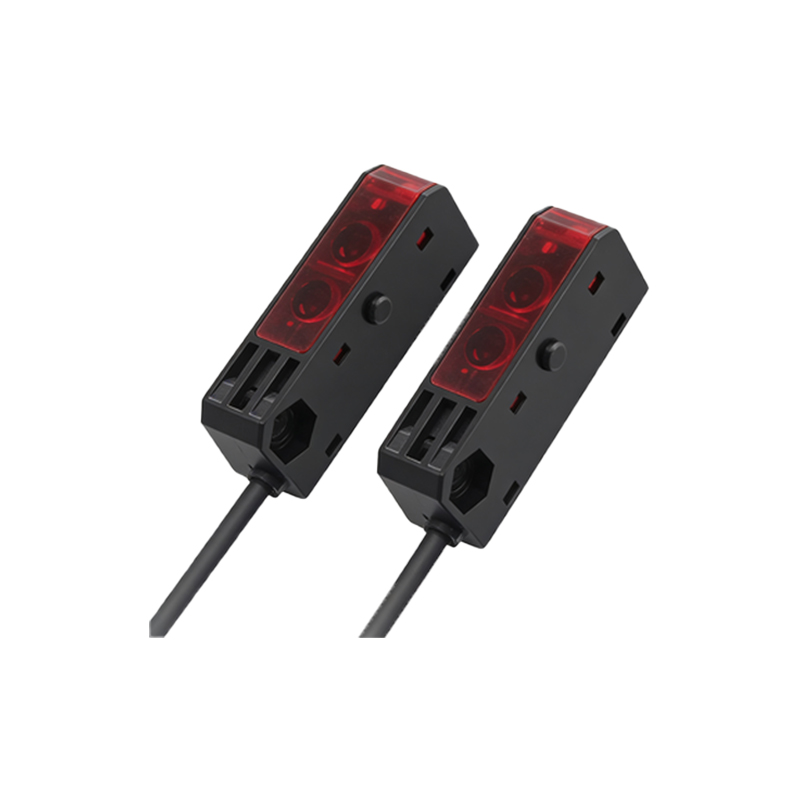
The industry is evolving to address black clothing detection more effectively. Modern sensors incorporate advanced algorithms like time-of-flight (ToF) or multi-pixel arrays to analyze reflected light patterns, distinguishing black objects from background noise. For example, some 3D photoelectric sensors can detect shape and distance regardless of color. Smart sensors with automatic gain control (AGC) dynamically adjust emission intensity based on target reflectivity, ensuring consistent detection. Emerging technologies, such as hyperspectral sensors or those using modulated light frequencies, offer promise by analyzing spectral signatures. Engineers should monitor IEC standards updates, as new classifications for "low-reflectivity" objects are being developed. As automation extends to logistics and fashion industries, investments in adaptive sensor systems will pay dividends in reliability. Collaboration between sensor manufacturers and textile engineers is key to refining these solutions.