Introduction to Photoelectric Sensors in Star Reboot
In the harsh, resource-scarce environment of Star Reboot, photoelectric sensors have emerged as critical components for automated systems. These devices use light to detect the presence, absence, or distance of objects, offering high precision and reliability in dusty, low-visibility conditions. Unlike traditional mechanical switches, they operate without physical contact, reducing wear and tear. For engineers, integrating these sensors into robotic arms, conveyor belts, and security systems is essential for maintaining efficiency in post-disaster industrial zones.
Key Operating Principles in Harsh Conditions
Photoelectric sensors in Star Reboot rely on three main modes: through-beam, retro-reflective, and diffuse. Through-beam sensors offer the longest range, ideal for monitoring wide areas like storage depots. Retro-reflective types use a reflector to detect objects, perfect for sorting recycled materials. Diffuse sensors, which detect reflected light from the target itself, are best for short-range tasks like counting parts on assembly lines. All models must be shielded against electromagnetic interference from damaged power grids.
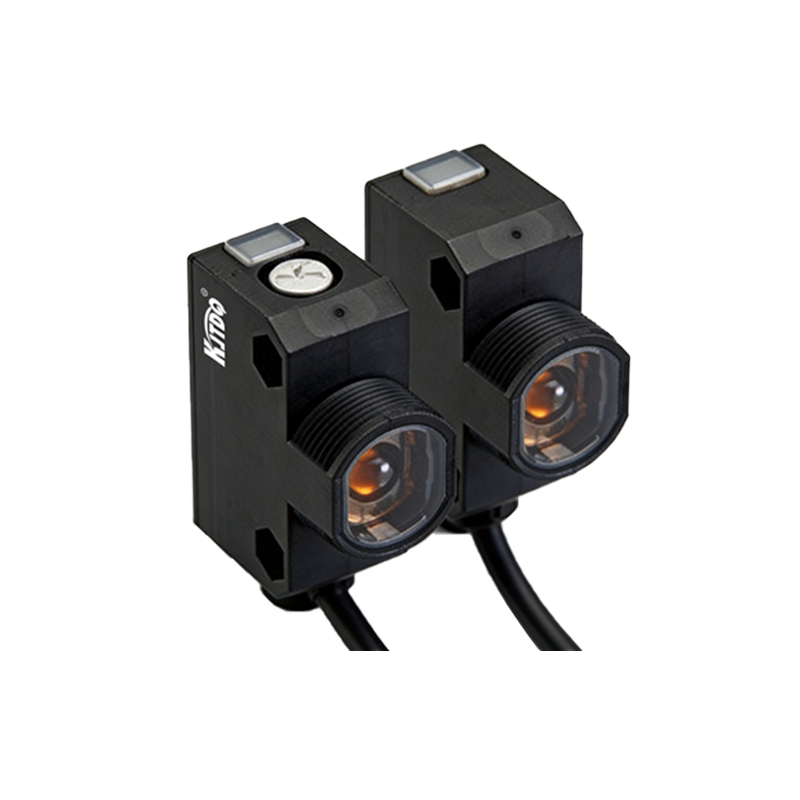
Selecting the Right Sensor for Industrial Applications
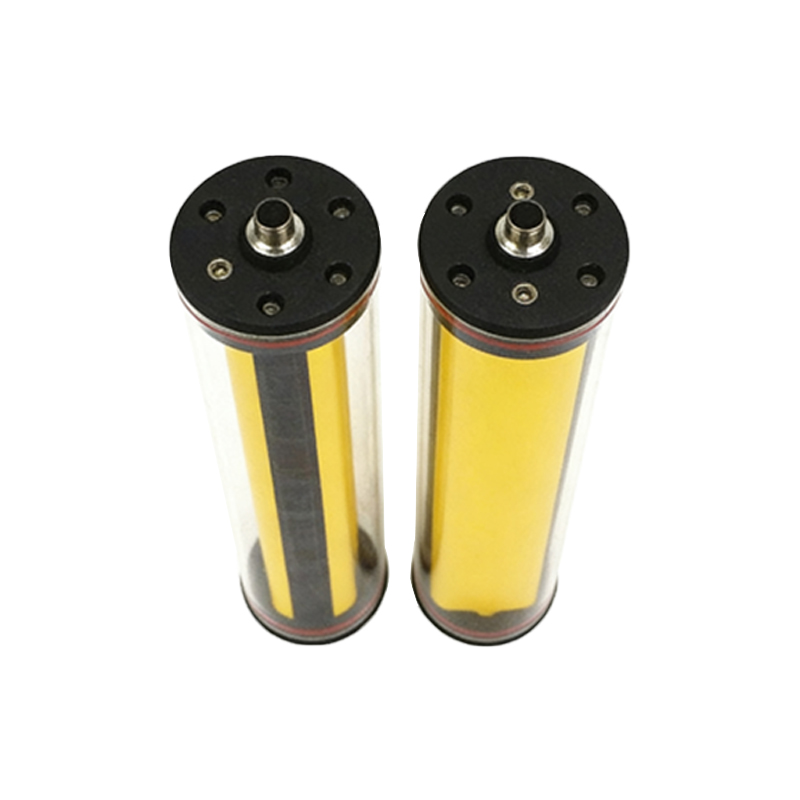
When choosing a sensor, consider the environment. For outdoor scavenging missions, IP67-rated sensors with anti-fog lenses are mandatory. Inside abandoned factories, sensors with background suppression prevent false triggers from debris. For liquid level detection in water purification systems, fiber optic sensors offer safety in explosive atmospheres. Always verify the response time; a 1ms reaction is vital for high-speed sorting of rare materials.
Installation and Calibration Best Practices
Mount sensors at least 10cm from vibrating machinery to avoid alignment drift. Use laser alignment tools for through-beam pairs. Calibrate diffuse sensors with a white test card representing the darkest target. In Star Reboot's fluctuating temperatures, auto-compensation circuits are recommended. Document all settings in a digital log to expedite future repairs.
Troubleshooting Common Failures
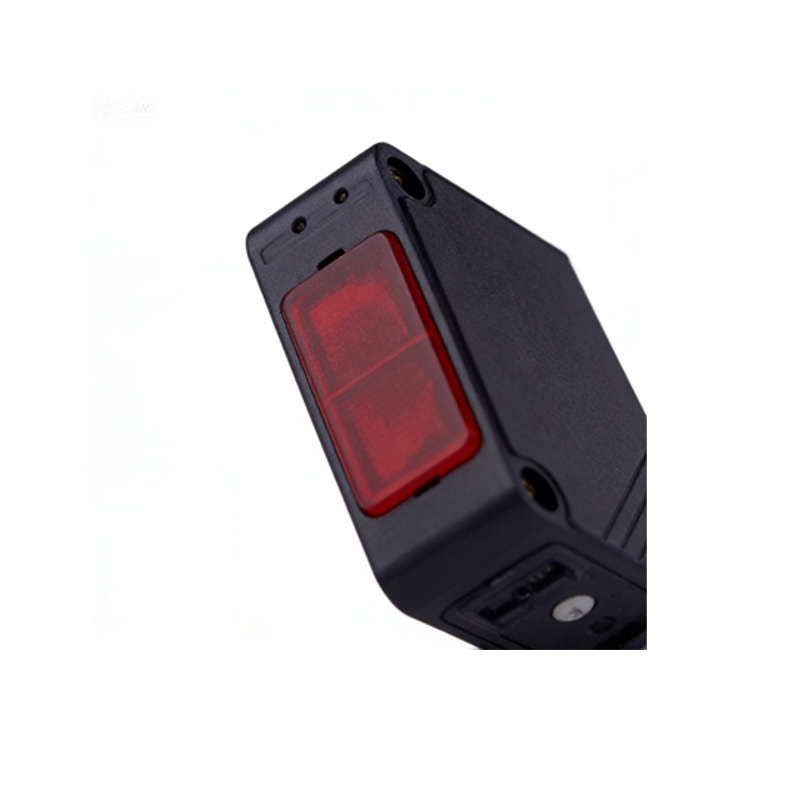
Common issues include lens contamination, cable damage from radiation, and power surges. Clean lenses with isopropyl alcohol weekly. Replace damaged cables with shielded variants. Install transient voltage suppressors on all sensor power lines. If a sensor fails to trigger, check the background object's reflectivity; matte black surfaces may absorb infrared light.
Future Trends and Maintenance Strategies
Emerging smart sensors in Star Reboot now feature IoT connectivity for predictive maintenance. They send alerts before failure, reducing downtime. Engineers should adopt modular designs for easy swap-outs. As AI evolves, sensors will integrate with neural networks for adaptive control in autonomous vehicles. Regular firmware updates via secure channels will enhance performance.
结束。