Understanding the Term "Ring Photoelectric Sensor"
In the field of electrical engineering, the term "ring photoelectric sensor" refers to a specific type of optoelectronic device designed to detect objects, edges, or position changes using a ring-shaped beam of light. When translating this term into English, precision is critical to maintain technical accuracy. The most direct and commonly accepted translation is "ring photoelectric sensor," but variations like "annular photoelectric sensor" or "circular photoelectric sensor" may appear in specialized contexts. However, for industry-standard documentation, "ring photoelectric sensor" is preferred due to its clarity and alignment with international standards, such as those from the International Electrotechnical Commission (IEC).
Contextual Variations in Technical Translation
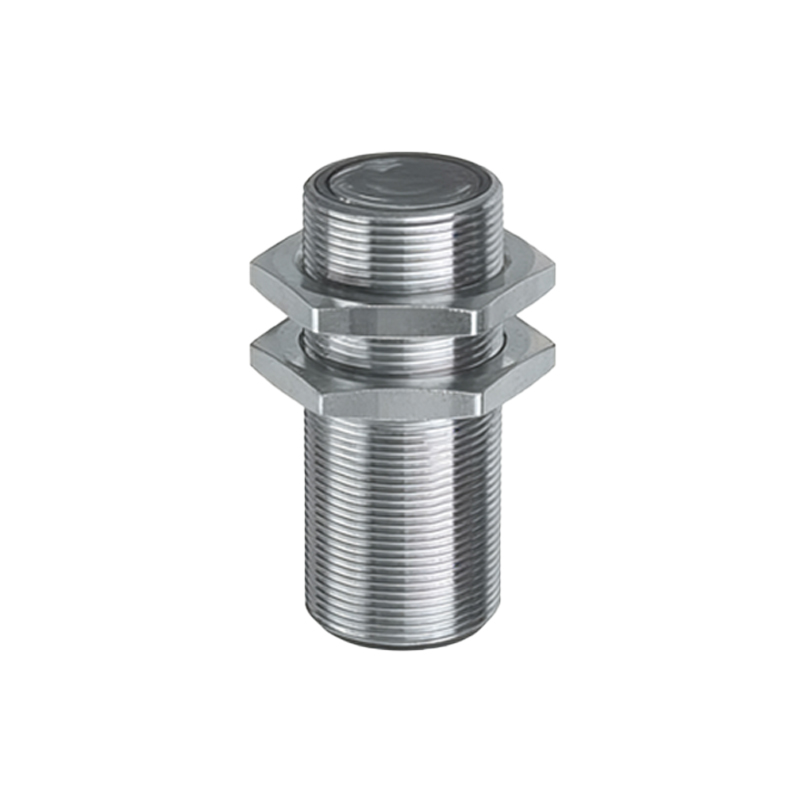
The translation must consider the specific application and system architecture. For example, in a manufacturing line using a ring-shaped light barrier, engineers might use "ring light barrier sensor" or "circular photoelectric switch." In automation and control systems, the term "through-beam ring sensor" is sometimes employed when describing a configuration where the emitter and receiver are integrated into a ring structure. It is crucial to avoid overly literal translations, such as "ring-shaped optical sensor," which may miscommunicate the device's functional principle. Always check the product datasheet or standard glossaries, like IEEE Std 100, to ensure consistency.
Common Misinterpretations and How to Avoid Them
One common pitfall is confusing "ring photoelectric sensor" with "ring laser sensor" or "ring inductive sensor." Photoelectric sensors rely on light, while inductive sensors use electromagnetic fields. To mitigate errors, always include the word "photoelectric" in the translation to emphasize the optical detection method. Additionally, avoid using "annular sensor" in informal contexts, as it may sound overly academic. For practical documentation, stick to "ring photoelectric sensor" or, if brevity is needed, "ring PES" as an abbreviation, but define it clearly on first use.
Best Practices for International Documentation
When translating engineering documents, follow these steps: First, identify the sensor's operational mode—through-beam, retro-reflective, or diffuse. Then, use established terms from reputable sources like the IEC 60947-5-2 standard. For example, a "ring photoelectric sensor with a 30 mm detection window" should be translated as "30 mm aperture ring photoelectric sensor." Always include units and technical specifications in the translation to avoid ambiguity. Finally, review the text with a native English-speaking engineer or use tools like IEEE Xplore to verify terminology.
Conclusion and Final Recommendations
To ensure accurate communication in global engineering teams, the primary translation for "环形光电传感器" is "ring photoelectric sensor." Use this term in all technical specifications, user manuals, and design documents. For specialized contexts, such as robotics or automotive assembly, consider adding clarifiers like "circular" or "annular," but always prioritize the standard term. Remember, precision in translation prevents costly errors and enhances system reliability. For further reference, consult the English versions of Chinese standards like GB/T 14048.10 or international equivalents.