Introduction to Photoelectric Sensors
Photoelectric sensors are essential electronic components in industrial automation, converting light signals into electrical outputs. They detect the presence, absence, or distance of objects without physical contact, leveraging principles of optics and electronics. As an electrical engineer, you will encounter these sensors in applications ranging from packaging lines to robotics, where reliability and precision are critical.
Core Working Principles
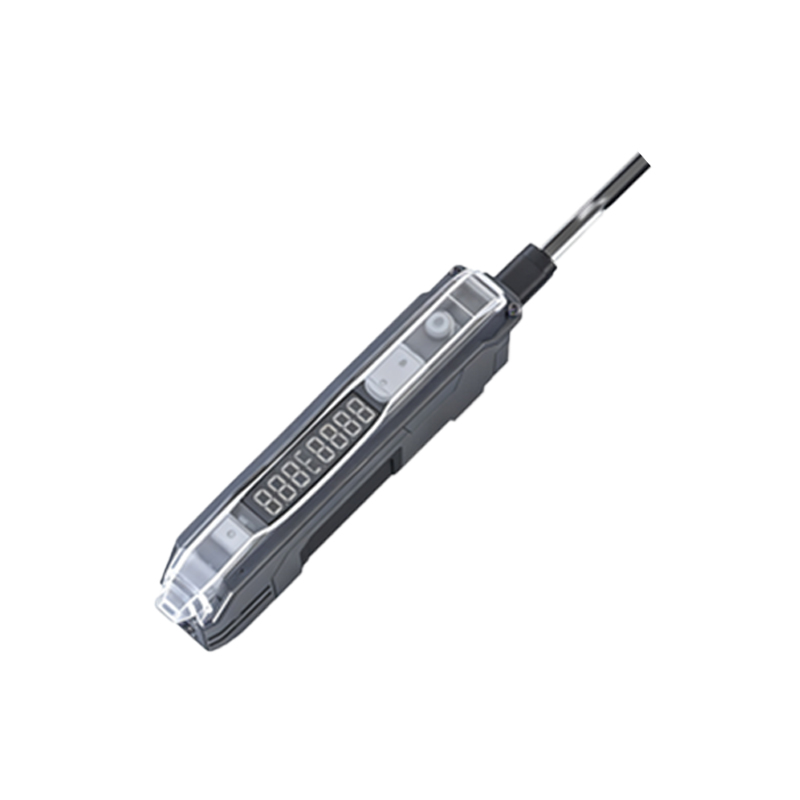
The fundamental operation of a photoelectric sensor involves a light emitter (typically an LED) and a receiver (a photodiode or phototransistor). The emitter directs a beam of light, and the receiver measures changes in light intensity caused by an object. There are three main modes: through-beam, retro-reflective, and diffuse. In through-beam, the emitter and receiver are separate, offering long detection ranges. Retro-reflective uses a reflector, while diffuse relies on light reflecting off the target object. Engineers must select the mode based on target characteristics, such as size, color, and reflectivity.
Key Parameters for Selection
When specifying photoelectric sensors, consider these electrical and mechanical parameters. Sensing distance ranges from a few millimeters to over 20 meters, depending on the mode. Response time, typically in microseconds, determines suitability for high-speed applications. Output types include NPN (sinking) and PNP (sourcing), with both normally open (NO) and normally closed (NC) configurations. Supply voltage usually spans 10-30V DC, but AC versions exist. Additionally, environmental factors like ambient light, dust, and humidity require sensors with IP ratings (e.g., IP67) and protection against electrical noise.
Circuit Design and Integration
Integrating photoelectric sensors into control systems demands careful circuit design. The output signal often interfaces with PLCs or microcontrollers via digital inputs. For analog output sensors, an ADC is needed. Engineers should implement pull-up or pull-down resistors to avoid floating states. To combat false triggers, use shielding and filtering capacitors. A typical schematic includes a transistor switch, a current-limiting resistor for the LED, and a comparator for threshold adjustment. Always verify the sensor's output voltage and current ratings against the load.
Advanced Applications and Troubleshooting
Modern photoelectric sensors incorporate features like background suppression, laser emitters for precise detection, and IO-Link communication for diagnostics. In challenging environments, use fiber-optic extensions to isolate electronics from heat or vibration. Troubleshooting common issues: intermittent detection often indicates misalignment or lens contamination; slow response may stem from incorrect mode settings. Regularly clean optical surfaces and check wiring for loose connections. For severe interference, replace with sensors offering synchronous operation or modulated light.
Future Trends in Sensor Technology
The evolution of photoelectric sensors includes miniaturization, lower power consumption, and integration with IoT platforms. Smart sensors with embedded microcontrollers now adjust thresholds automatically. As an engineer, stay updated on emerging standards like EtherNet/IP for seamless data exchange. Understanding these trends will enhance your ability to design robust, future-proof automation systems.