Introduction to Langyien Photoelectric Sensors
Langyien photoelectric sensors are essential components in modern industrial automation, offering reliable object detection without physical contact. These sensors use light beams—typically infrared, visible red, or laser—to detect the presence, absence, or distance of targets. As an experienced electrical engineer, I have integrated Langyien sensors in various applications, from packaging lines to material handling systems, due to their robust performance and cost-effectiveness. Their key advantage lies in adaptability: they operate effectively in dusty, wet, or high-vibration environments, making them ideal for harsh industrial settings.
Operating Principles and Types
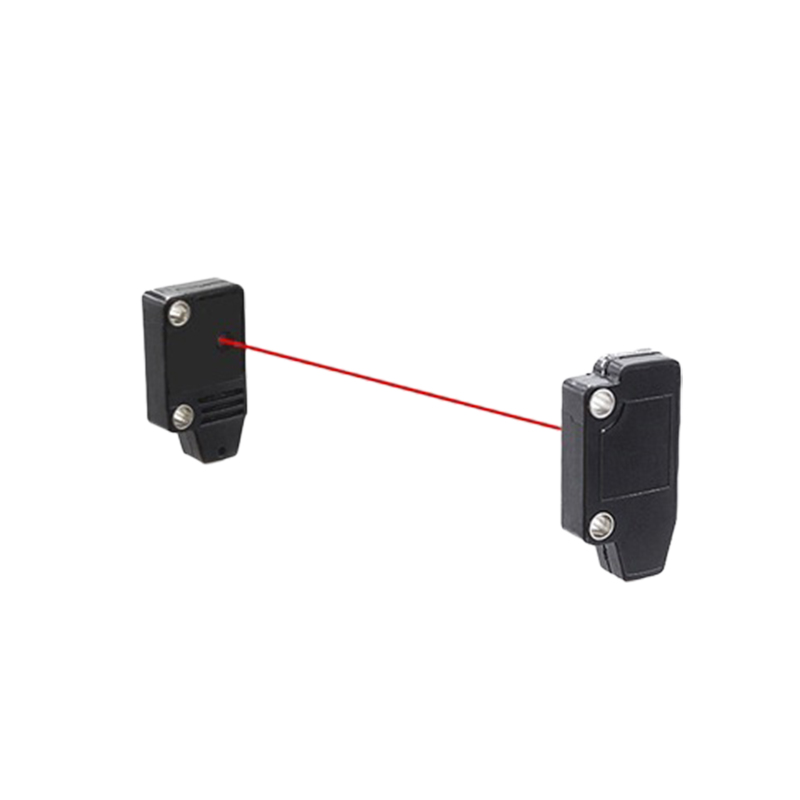
Langyien photoelectric sensors function based on three primary modes: through-beam, retro-reflective, and diffuse reflection. In through-beam mode, the transmitter and receiver are separate, offering the longest detection range (up to 30 meters) and highest accuracy, but requiring precise alignment. Retro-reflective sensors combine transmitter and receiver in one unit, using a reflector to bounce the beam back; they are easier to install and suitable for medium ranges (up to 10 meters). Diffuse sensors detect light reflected directly from the target, ideal for short-range applications (up to 2 meters) and transparent object detection. For engineers, selecting the correct mode depends on target size, material, and environmental factors like ambient light or fog.
Key Technical Specifications
When specifying Langyien sensors, critical parameters include sensing distance, response time, output type, and protection rating. Typical models offer response times as fast as 0.5 milliseconds, ensuring high-speed detection in conveyor systems. Outputs are available in NPN or PNP configurations, with analog or digital signals for integration with PLCs. The IP67 or IP69K ratings ensure resistance to dust and water jets, crucial for food processing or outdoor installations. Additionally, many Langyien sensors feature adjustable sensitivity via potentiometers or teach-in buttons, allowing fine-tuning without replacing hardware.
Installation and Wiring Best Practices
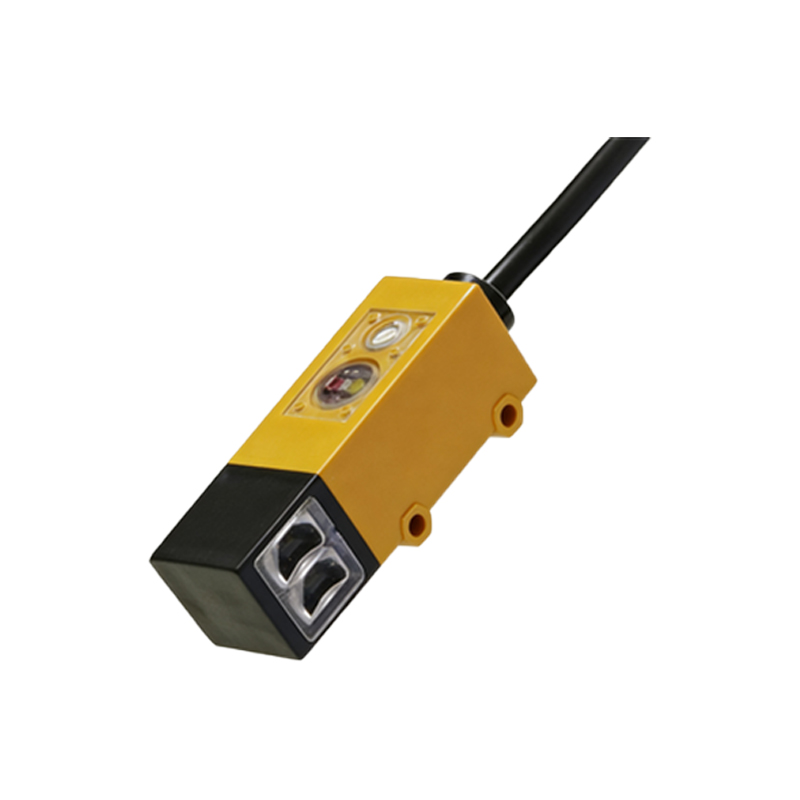
Proper installation maximizes sensor reliability. For through-beam sensors, ensure the transmitter and receiver are aligned within a 2-degree tolerance to avoid signal loss. Use shielded cables for long runs to minimize electromagnetic interference, especially near motors or inverters. Power supply voltage must be stable, within the specified range (e.g., 10-30V DC). For retro-reflective sensors, mount the reflector perpendicular to the sensor head, and avoid reflective backgrounds that could cause false detections. In diffuse mode, consider the target's color and surface texture—dark or matte objects reduce sensing range by up to 50%.
Common Applications in Industry
Langyien photoelectric sensors excel in diverse sectors. In automotive assembly, they verify part presence on conveyor belts and control robotic grippers. In logistics, retro-reflective sensors monitor package flow on sorting systems, while diffuse sensors detect transparent films. For liquid level monitoring, through-beam sensors precisely detect fill levels in bottles. In safety applications, these sensors serve as light curtains for machine guarding, though additional safety-rated controllers may be required. Their ability to operate in temperatures from -25°C to 55°C makes them suitable for cold storage or foundries.
Troubleshooting and Maintenance Tips
Common issues include false triggering due to accumulated dust on lenses or reflectors. Regular cleaning with a soft cloth and isopropyl alcohol is recommended. If the sensor fails to detect, check alignment and cable continuity with a multimeter. For intermittent detection, inspect for vibration loosening mounting brackets. Langyien sensors often provide LED indicators: steady green for power, flashing yellow for output active, and red for fault. If the sensor is unresponsive, verify the power supply and output load matching. Always consult the datasheet for specific error codes.
Conclusion and Future Trends
Langyien photoelectric sensors remain a cornerstone of Industry 4.0, with emerging features like IO-Link communication for real-time diagnostics and parameter adjustment. As automation demands increase, these sensors will integrate with IoT platforms for predictive maintenance. For engineers, mastering Langyien sensor selection and application ensures efficient system design. By following the guidelines above, you can leverage these sensors to reduce downtime, improve accuracy, and enhance production line flexibility.