In the realm of industrial automation and precision control, proximity switch sensors are indispensable components. Their reliability and accuracy are paramount, and a critical factor in achieving these qualities lies in their manufacturing process—specifically, injection molding. This guide delves into the intricacies of proximity switch sensor injection molding, exploring the materials, processes, design considerations, and quality controls that define superior production.
The housing of a proximity switch sensor serves as its first line of defense. It must protect sensitive internal electronics from harsh industrial environments, including moisture, dust, chemicals, and physical impact. Therefore, material selection is the foundational decision. Engineering plastics like Polyamide (PA, Nylon), Polybutylene Terephthalate (PBT), and Polycarbonate (PC) are predominant choices. These materials offer an excellent balance of mechanical strength, dimensional stability, temperature resistance, and good dielectric properties. For applications requiring enhanced chemical resistance or specific regulatory compliance (e.g., food-grade or flame-retardant), materials like Polyphenylene Sulfide (PPS) or specialized compounds are employed. The plastic resin must be meticulously dried before molding to prevent defects like splay or silver streaks, which can compromise both aesthetics and structural integrity.
The injection molding process for these sensors is a symphony of precision. It begins with mold design and fabrication, a stage where expertise is non-negotiable. The mold must account for complex geometries, including mounting threads, cable entry glands, and indicator windows. Critical areas are the sensing face, which must be free of flow lines and have a consistent wall thickness to ensure unimpeded electromagnetic or capacitive field emission, and the sealing surfaces for IP-rated protection. Venting and cooling channel design within the mold are crucial to avoid air traps, burns, and warpage. High-precision molds, often made from hardened steel, are essential for producing parts with tight tolerances and excellent surface finish.
During production, process parameters are tightly controlled. Melt temperature, injection speed and pressure, packing pressure, and cooling time are all optimized based on the specific material and part geometry. A slow initial injection speed might be used to fill thin sections around the sensing face smoothly, followed by higher packing pressure to ensure density and eliminate sink marks. Automated systems frequently monitor these parameters in real-time, ensuring batch-to-batch consistency. For sensors requiring metal inserts (such as threaded bushings or shielding elements), insert molding is utilized. This process involves placing the metal component into the mold before injection, allowing the molten plastic to flow around it, creating a robust, inseparable bond that enhances durability and sealing.
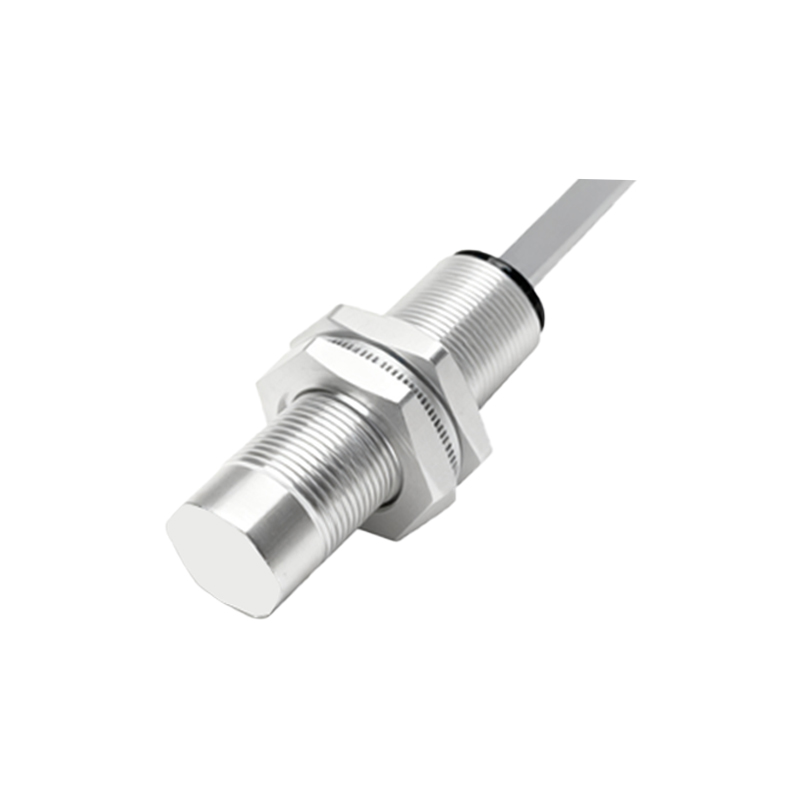
Post-molding operations are equally vital. Components undergo deflashing to remove any minute burrs from parting lines. They are then often subjected to secondary processes like laser marking for serial numbers and specifications, or ultrasonic welding to hermetically seal two housing halves together. Every sensor housing is rigorously inspected. Dimensional checks using coordinate measuring machines (CMM) verify critical tolerances. Visual inspections under magnification identify surface defects. Functional tests, such as pressure decay tests for sealing integrity, are conducted on sample batches or, in high-reliability applications, on every single unit.
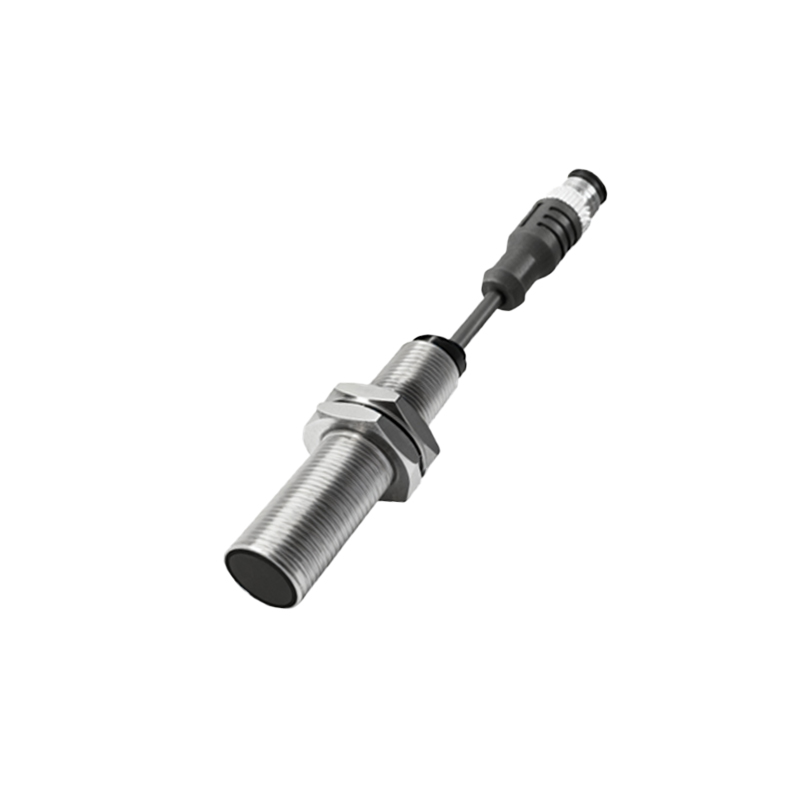
The final assembly integrates the molded housing with the electronic sensing element, oscillator coil, and cable or connector. The integrity of the molding process directly impacts this assembly phase. A warped housing can misalign internal components, affecting sensing range and repeatability. An imperfect seal can lead to premature failure in the field. Therefore, injection molding is not merely a shaping process; it is a core determinant of the sensor's performance and lifespan.
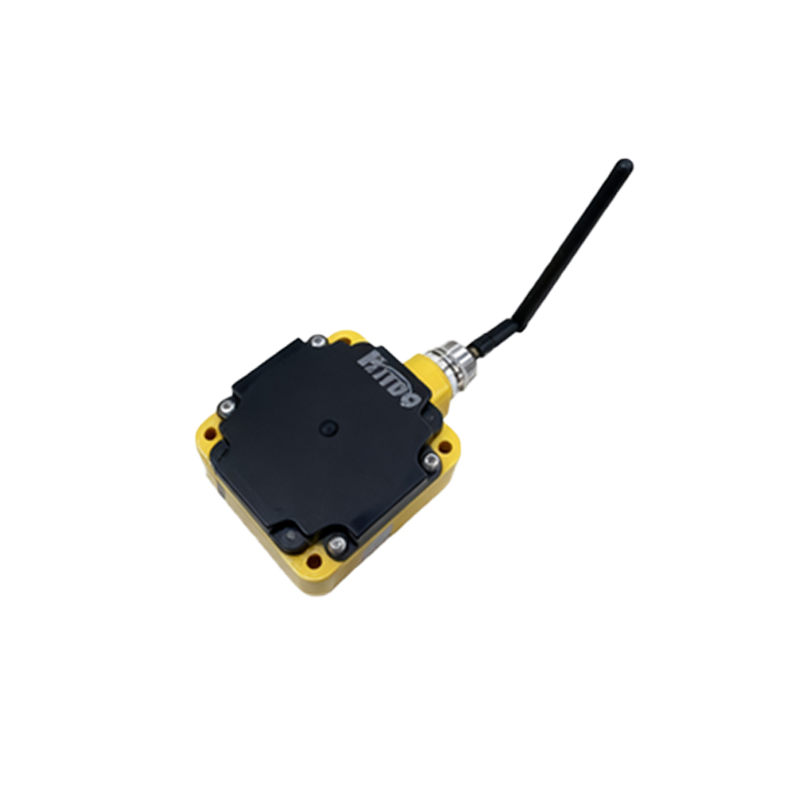
Advancements in injection molding technology continue to benefit sensor manufacturing. Techniques like micro-injection molding allow for ever-smaller sensor designs. The use of liquid silicone rubber (LSR) molding is growing for sensors requiring extreme flexibility, high-temperature resistance, or superior sealing. Furthermore, the integration of Industry 4.0 principles—where molding machines provide real-time data on process health—enables predictive maintenance and even finer quality control, pushing the boundaries of what is possible in proximity sensor reliability.
In conclusion, the injection molding of proximity switch sensors is a sophisticated discipline that blends materials science, precision engineering, and stringent process control. It transforms raw polymer into a rugged, reliable enclosure that safeguards the sensor's intelligent core. For OEMs and engineers, understanding this process is key to specifying and sourcing sensors that will deliver unwavering performance in demanding automation applications, ensuring operational efficiency and safety on the factory floor.