Introduction to GK105A Photoelectric Sensor
The GK105A photoelectric sensor is a high-performance, through-beam type device widely used in industrial automation for precise object detection. Designed with a robust housing and advanced optics, it operates effectively in harsh environments, offering reliable performance for applications like conveyor systems, packaging machinery, and material handling. Its key specifications include a detection distance of up to 10 meters, a response time of less than 1 ms, and an IP67 protection rating, ensuring durability against dust and moisture.

Operating Principle and Key Specifications
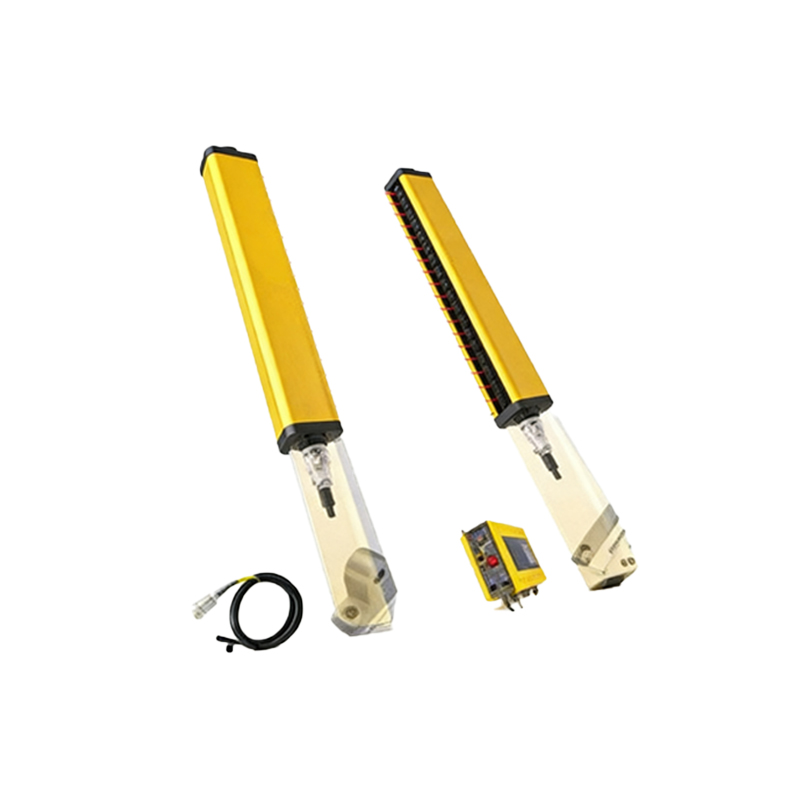
The GK105A utilizes an infrared LED emitter and a phototransistor receiver, separated by a gap. When an object interrupts the light beam, the sensor triggers a switch output (NPN or PNP, depending on model). Key technical parameters include a supply voltage of 10-30V DC, a maximum output current of 100 mA, and an operating temperature range from -25°C to +55°C. Its small form factor (50mm x 20mm x 15mm) allows easy integration into tight spaces, while the M12 connector simplifies wiring.
Installation and Wiring Guidelines
Proper installation is critical for optimal performance. Mount the emitter and receiver aligned opposite each other with a clear line-of-sight. For wiring, connect the brown wire to positive DC supply, blue to negative, and black to the load (e.g., PLC input). Use shielded cables to minimize electromagnetic interference. Ensure the sensor is fixed securely to avoid vibration misalignment. Test the alignment by observing the LED indicator: steady green means beam is clear, red indicates detection.
Common Applications in Industrial Settings
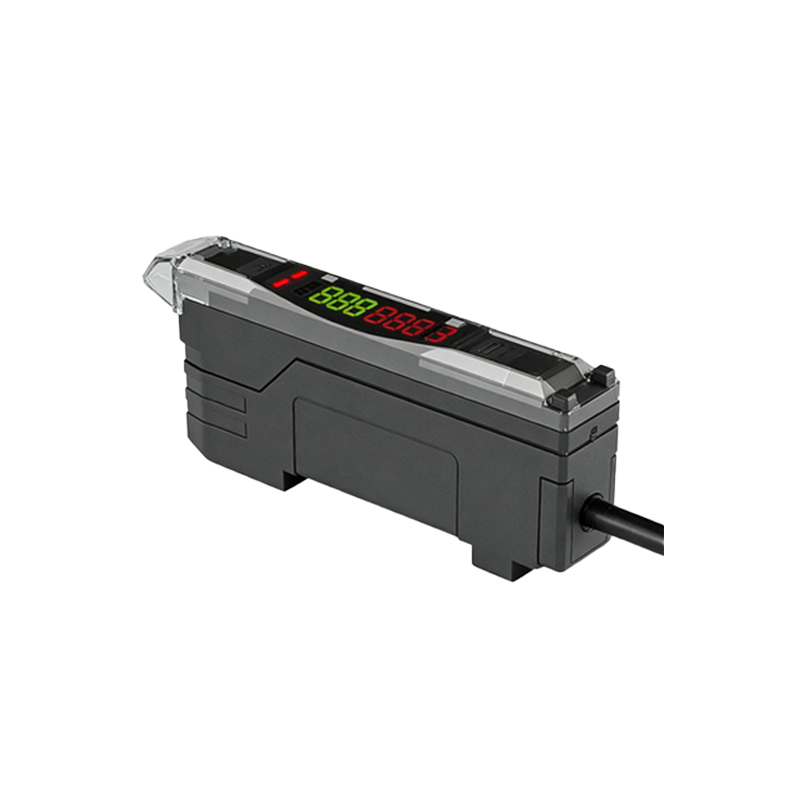
The GK105A excels in applications requiring long-distance, high-speed detection. Typical uses include counting objects on conveyor belts, detecting pallet positions in warehouses, and monitoring product flow in bottling plants. Its through-beam design is immune to ambient light interference, making it ideal for outdoor or brightly lit environments. For example, in a packaging line, it can detect missing items at rates up to 1000 objects per minute.
Troubleshooting and Maintenance Tips
Common issues include false triggers or no output. First, check for misalignment: clean the lens surfaces with a lint-free cloth and alcohol. Verify power supply voltage within 10-30V DC. If output is erratic, examine the load for short circuits or incorrect wiring. For persistent problems, replace the sensor unit, as internal components may degrade over time. Perform monthly inspections to ensure lens cleanliness and bracket tightness.
Advantages Over Other Sensor Types
Compared to diffuse or retro-reflective sensors, the through-beam GK105A offers superior range (up to 10m) and reliability in dusty or dirty conditions, as the light beam is less affected by contamination. It also provides faster response times and does not require a reflector, simplifying installation in long-distance applications. Its IP67 rating ensures longevity in wet or washdown environments, reducing downtime and maintenance costs.