Introduction to Photoelectric Sensors in Paper Shredders
Photoelectric sensors, also known as optical sensors, are critical components in modern paper shredders, ensuring safe and efficient operation. These sensors detect the presence of paper or other materials by emitting and receiving light beams, converting optical signals into electrical signals for the control system. In industrial and office environments, they enhance automation by preventing jams, reducing energy waste, and improving user safety.
Basic Operating Principle
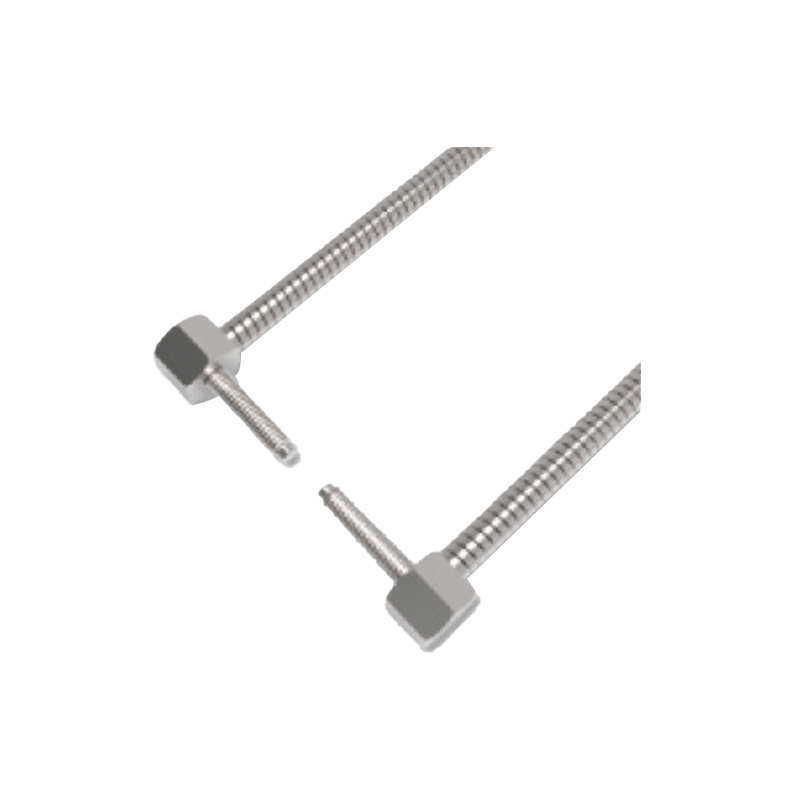
The core principle relies on the interruption of a light path between an emitter and a receiver. In a paper shredder, an infrared LED (light-emitting diode) typically serves as the emitter, while a phototransistor or photodiode acts as the receiver. When no paper is present, the light from the emitter reaches the receiver, maintaining a stable electrical signal. Once paper is inserted, it blocks the light beam, causing a change in the receiver's output. This change triggers the shredder's motor to start or stop, depending on the design.
Types of Photoelectric Sensors Used
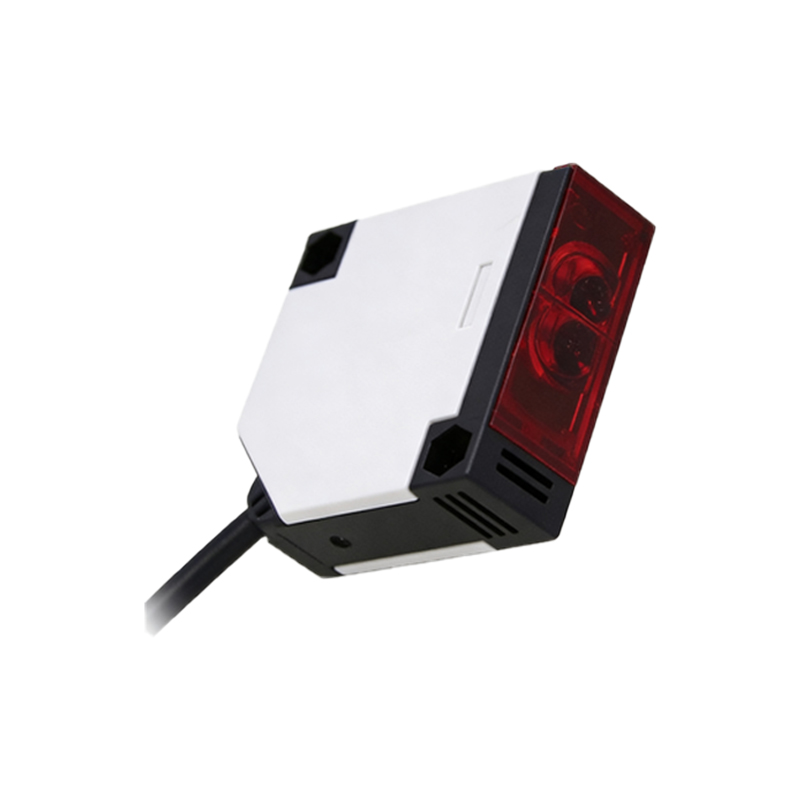
Two common configurations are applied in shredders: through-beam and reflective sensors. Through-beam sensors have separate emitter and receiver units positioned across the paper feed slot, offering high detection accuracy for thin papers. Reflective sensors combine both components in a single housing, using a reflector on the opposite side to bounce the beam back. The latter is more compact and easier to install, but may be less sensitive to transparent or glossy materials.
Signal Processing and Motor Control
The detected light interruption generates a voltage change that is amplified and processed by a comparator circuit. This circuit compares the sensor output to a predefined threshold. If the signal drops below the threshold, the control unit sends a command to engage the shredder motor. Some advanced models also include a time-delay feature to avoid false triggers caused by paper flutter or dust accumulation, ensuring reliable performance under varying conditions.
Safety and Reliability Considerations
Photoelectric sensors in shredders must comply with industry safety standards, such as those from IEC or UL, to prevent accidental activation. Dust, paper debris, and ambient light interference are common challenges. To mitigate these, sensors are often housed in sealed casings with optical filters, and calibration circuits are designed to auto-adjust for gradual light attenuation. Regular maintenance, such as cleaning the sensor lenses, is recommended to maintain optimal sensitivity and extend sensor lifespan.
Conclusion and Industry Trends
Understanding the photoelectric sensor principle is essential for electrical engineers involved in shredder design or troubleshooting. As smart shredders evolve, sensors are integrating with microcontrollers and IoT modules for real-time monitoring and predictive maintenance. The trend towards energy-efficient designs also drives the use of low-power infrared sensors, reducing overall power consumption while maintaining detection accuracy. This technology continues to play a vital role in enhancing shredder functionality across various sectors.