Proximity sensors have become ubiquitous components in our daily lives, often operating unnoticed while enabling critical functionalities across diverse industries. These non-contact devices detect the presence or absence of objects within a defined range, triggering a response without physical touch. Their evolution from simple on/off switches to sophisticated, intelligent systems has unlocked a myriad of practical applications, enhancing safety, efficiency, and user experience.
In the realm of consumer electronics, proximity sensors are fundamental. Consider the modern smartphone. When a user raises the phone to their ear during a call, a proximity sensor detects the nearby object (the user's head) and automatically turns off the touchscreen display. This prevents accidental cheek-triggered inputs and conserves battery power. Similarly, in laptops and tablets, sensors can detect when a user is present, waking the device from sleep mode, and putting it back to sleep when the user walks away, optimizing energy consumption.
The automotive industry heavily relies on these sensors for both safety and convenience. Parking assistance systems utilize ultrasonic or electromagnetic proximity sensors mounted on bumpers to measure the distance to obstacles. Audible beeps that increase in frequency as the vehicle gets closer provide the driver with intuitive feedback, preventing collisions. More advanced systems use sensor arrays for semi-autonomous features like automatic emergency braking, where the sensor detects an imminent collision and applies the brakes faster than a human could react. Inside the cabin, hand-gesture recognition systems, often using infrared proximity sensors, allow drivers to control infotainment systems without taking their eyes off the road.
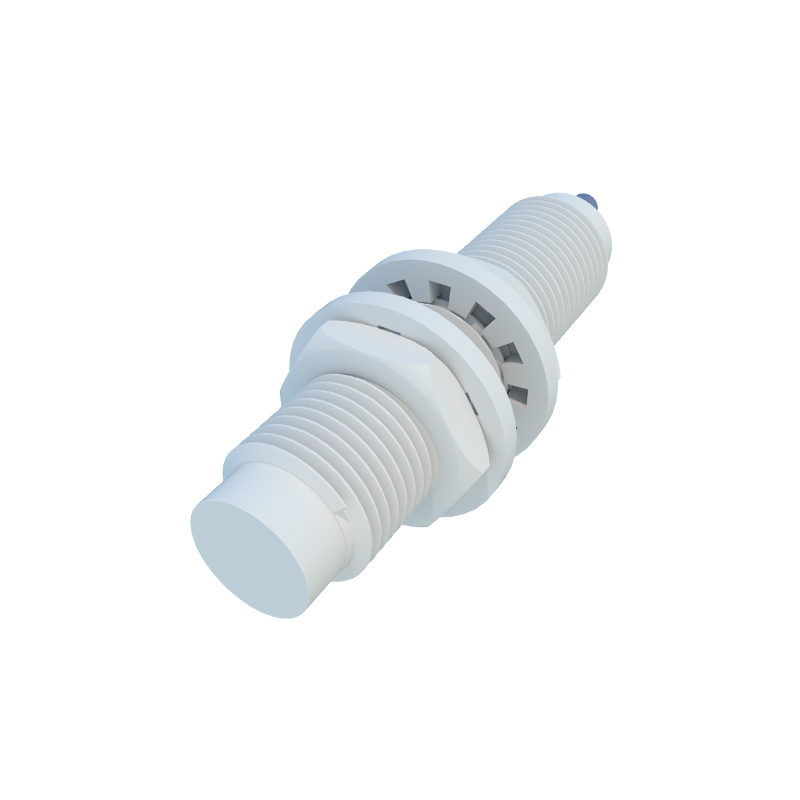
Industrial automation represents another major domain. On assembly lines, inductive proximity sensors (ideal for detecting metals) are used for precise object counting, position verification, and ensuring robotic arms operate within safe parameters. For instance, a sensor can confirm a component is correctly placed on a conveyor belt before a robotic welder activates, ensuring quality control and preventing machine damage. In packaging machinery, sensors detect when a product is in position for wrapping or boxing, streamlining high-speed production processes.
In the context of public infrastructure and building management, proximity sensors contribute to hygiene and energy savings. Automatic faucets, soap dispensers, and hand dryers in public restrooms use infrared sensors to detect hands, promoting touch-free operation and reducing the spread of germs. Automatic doors in supermarkets, airports, and hospitals offer convenience, especially for individuals with mobility challenges, while also helping to maintain internal climate control by minimizing how long doors remain open. Lighting systems in office buildings and warehouses often incorporate occupancy sensors, which are essentially proximity-based, to turn lights on when motion is detected and off when an area is vacant, significantly cutting electricity costs.
Even in the agricultural sector, innovative applications are emerging. Proximity sensors on automated guided vehicles (AGVs) or harvesting equipment help navigate fields and avoid obstacles. In livestock management, sensors can monitor animal presence at feeding stations or in specific zones.
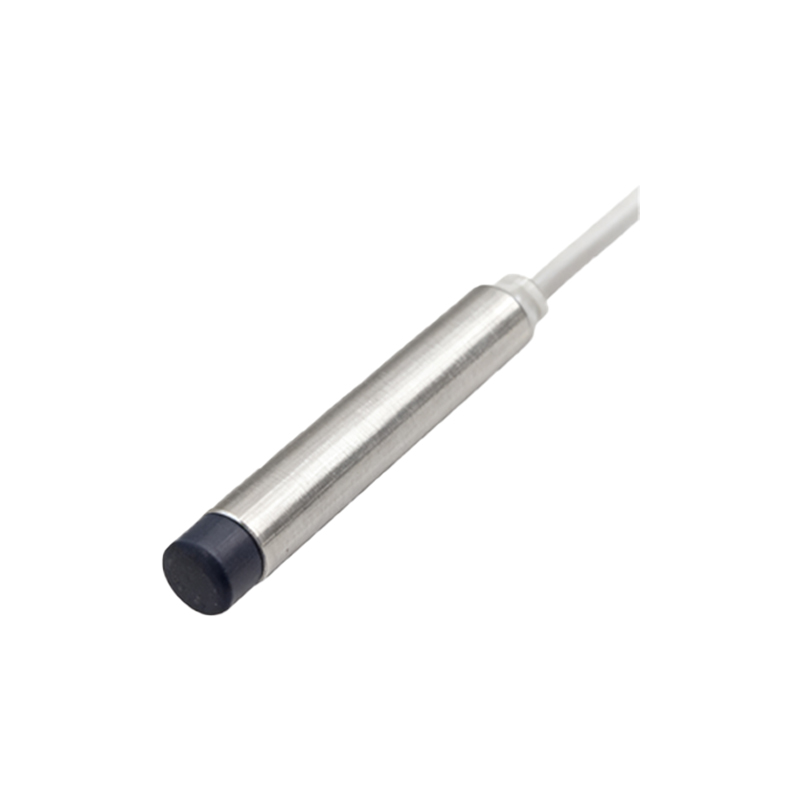
The choice of sensor technology—inductive, capacitive, ultrasonic, infrared, or photoelectric—depends on the specific use case, considering factors like the target material, required detection range, environmental conditions (dust, moisture), and cost. Inductive sensors excel with metals, capacitive sensors can detect liquids and other materials, while ultrasonic sensors are effective for longer ranges and challenging environments.
Looking ahead, the integration of proximity sensors with the Internet of Things (IoT) and machine learning is creating even smarter systems. Data from sensor networks can be analyzed to predict maintenance needs, optimize traffic flow, or create more intuitive human-machine interfaces. From the phone in your pocket to the car you drive and the factory that built it, proximity sensors are silent, indispensable workhorses of the modern technological landscape, making interactions safer, more efficient, and seamlessly automated.