In today's interconnected world, sensors play a crucial role in enabling seamless interactions between humans and technology. Among these, proximity sensors and light sensors are two fundamental components that often work in tandem to enhance user experience across various devices, from smartphones and tablets to automotive systems and industrial equipment. While they may seem similar at first glance, each serves a distinct purpose, yet their integration can lead to more intelligent and responsive systems.
Proximity sensors are designed to detect the presence or absence of an object within a specific range without physical contact. They typically emit an electromagnetic field or a beam of radiation, such as infrared light, and monitor changes in the return signal. When an object enters the sensor's field, it reflects or interrupts the signal, triggering a response. Common applications include automatic screen dimming during phone calls to prevent accidental touches, touchless faucets in public restrooms, and collision avoidance systems in vehicles. These sensors rely on technologies like infrared, ultrasonic, or capacitive sensing, each suited to different environments and accuracy requirements.
Light sensors, on the other hand, measure ambient light levels in their surroundings. They convert light intensity into an electrical signal, often using photodiodes or phototransistors. This data allows devices to adjust screen brightness automatically, conserving battery life and improving visibility under varying lighting conditions. For instance, smartphones use light sensors to optimize display settings indoors versus outdoors, while smart lighting systems adjust bulb intensity based on natural daylight. Some advanced light sensors can also detect color temperature, enabling more nuanced adjustments for eye comfort and energy efficiency.
The synergy between proximity and light sensors is particularly evident in modern consumer electronics. Consider a typical smartphone: when you lift it to your ear during a call, the proximity sensor detects your face and turns off the display to save power and prevent unintended inputs. Simultaneously, the light sensor assesses the environment's brightness and adjusts the screen's backlight accordingly once the call ends. This dual functionality not only enhances usability but also contributes to longer device longevity by reducing unnecessary energy consumption.
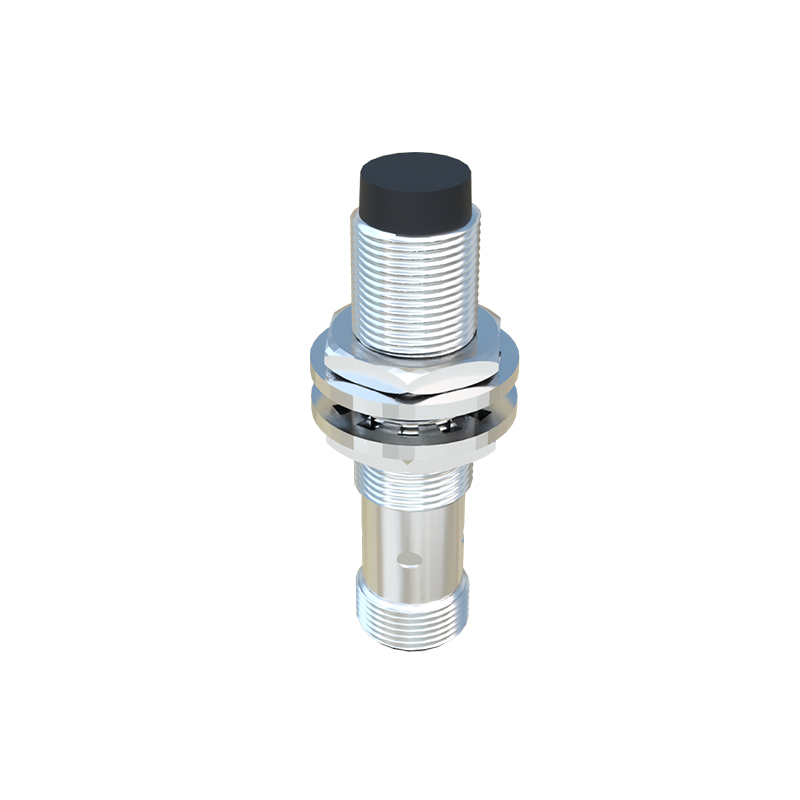
In industrial settings, these sensors are integral to automation and safety. Proximity sensors can monitor machinery parts to prevent jams or detect objects on conveyor belts, while light sensors ensure optimal lighting for cameras and inspection systems. Their combined use in smart homes enables features like automatic door opening when someone approaches, coupled with adaptive lighting that brightens or dims based on time of day and occupancy.
Despite their advantages, challenges exist in implementing these sensors effectively. Accuracy can be affected by environmental factors such as dust, temperature fluctuations, or interference from other electronic devices. For example, a proximity sensor might misread reflective surfaces, while a light sensor could be fooled by artificial light sources. Manufacturers address these issues through calibration, shielding, and advanced algorithms that filter out noise. Additionally, energy efficiency remains a priority, as sensors must operate continuously without draining battery life in portable devices.
Looking ahead, innovations in sensor technology promise even greater integration and miniaturization. Emerging trends include the use of machine learning to interpret sensor data more intelligently, allowing for predictive adjustments rather than reactive ones. For instance, a device might learn a user's habits and preemptively adjust settings based on historical patterns. Furthermore, the development of multifunctional sensors that combine proximity, light, and other sensing capabilities into a single chip could reduce costs and space requirements, paving the way for more compact and versatile devices.
In conclusion, proximity and light sensors are unsung heroes in the realm of modern technology. Their ability to detect and respond to environmental changes makes our interactions with devices smoother and more intuitive. As technology evolves, these sensors will continue to play a vital role in creating smarter, more efficient systems that adapt to our needs seamlessly. Whether in personal gadgets or large-scale industrial applications, understanding their functions and synergies is key to appreciating the invisible intelligence that shapes our daily experiences.