Introduction to DAS Photoelectric Sensors
DAS photoelectric sensors represent a critical advancement in industrial automation, offering non-contact detection for object presence, position, and distance. These sensors leverage light beams—typically infrared, visible red, or laser—to interact with targets, converting optical signals into electrical outputs. For electrical engineers, understanding their operational principles and application contexts is essential for optimizing control systems in manufacturing, logistics, and process industries.
Working Principles and Technology
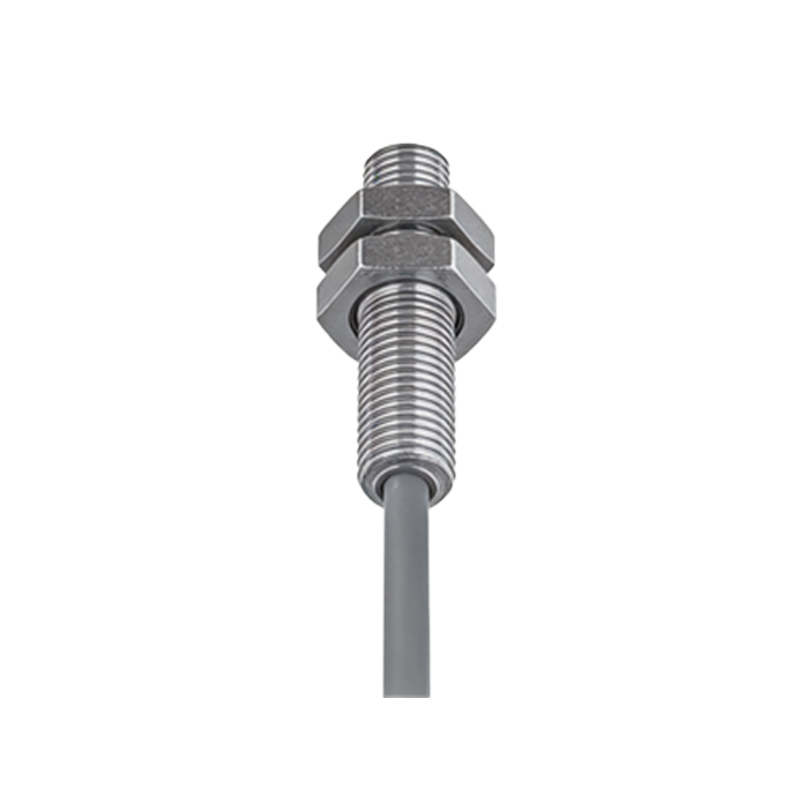
DAS sensors operate based on three primary modes: through-beam, retro-reflective, and diffuse reflection. In through-beam mode, a transmitter and receiver are aligned opposite each other, with the beam interrupted by an object. Retro-reflective sensors use a reflector to bounce light back to the receiver, while diffuse sensors rely on light reflected directly from the target. Advanced DAS models integrate background suppression and polarization filters to enhance accuracy in challenging environments, such as those with dust, moisture, or varying surface reflectivity.
Key Electrical Specifications and Performance
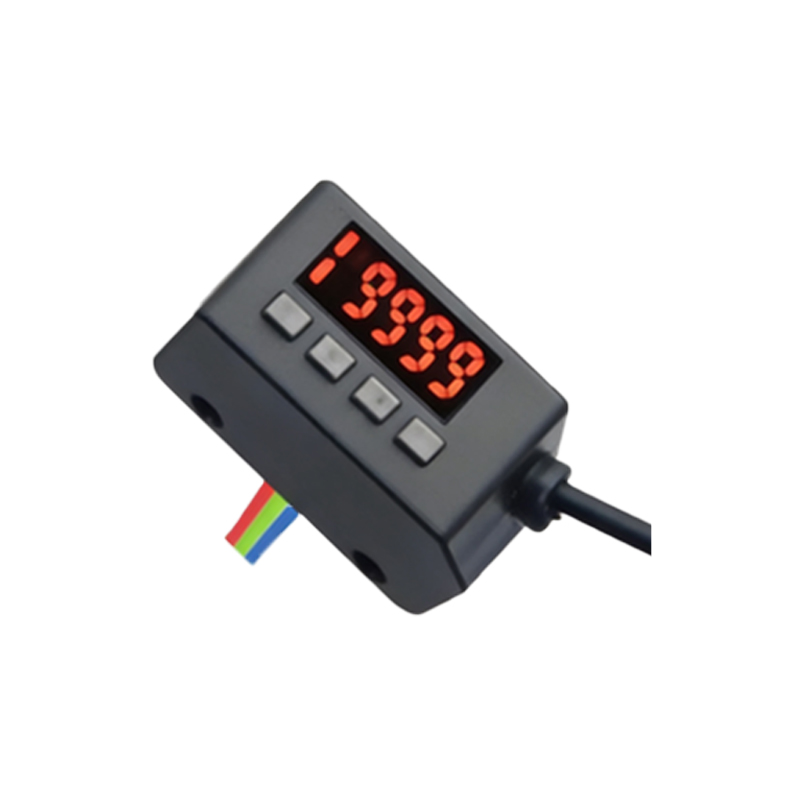
When selecting DAS sensors, engineers must evaluate response time, sensing range, output type, and ambient light immunity. Typical response times range from 0.1 to 5 milliseconds, with sensing distances stretching from a few centimeters to over 50 meters for laser-based units. Outputs include NPN/PNP transistor switches, analog signals, or IO-Link communication for smart factories. Power supply requirements usually fall between 12-24 VDC, with protection against short circuits, reverse polarity, and overcurrent.
Integration into Industrial Control Systems
DAS sensors integrate seamlessly with PLCs, HMIs, and fieldbus networks such as Profinet or EtherNet/IP. Engineers must consider wiring topology, shielding for noise immunity, and mounting alignments to minimize false triggers. For high-speed applications like packaging or sorting, selecting sensors with fast response and repeatability is critical. Proper calibration and threshold adjustment ensure stable operation under variable ambient conditions, such as changing light levels or temperature fluctuations.
Maintenance, Troubleshooting, and Best Practices
Regular maintenance involves cleaning optical lenses, checking connection integrity, and verifying alignment. Common issues include drifting due to dust accumulation, signal interference from other light sources, or mechanical misalignment. Engineers should use diagnostic tools like oscilloscopes or sensor testers to analyze output signals. Best practices include installing protective housings, using redundant sensors for critical safety applications, and adhering to manufacturer guidelines for environmental ratings (IP67 or higher).
Future Trends and Innovations
Emerging DAS sensor technologies include smart sensors with built-in diagnostics, multi-beam arrays for complex detection patterns, and integration with AI for predictive maintenance. Wireless DAS sensors are gaining traction in remote monitoring scenarios, while miniaturization enables installation in confined spaces. Electrical engineers should stay updated on these trends to design future-proof automation systems that enhance efficiency and reduce downtime.