Understanding Photoelectric Sensor Mounting Basics
Photoelectric sensors are critical components in automated industrial systems, used for detecting objects, counting products, and ensuring safety. The mounting surface and method significantly affect sensor performance. Common mounting options include fixed brackets, adjustable arms, and direct attachment to machinery frames. For optimal detection, sensors must be positioned perpendicular to the target object's path, with a clear line of sight. Vibration-resistant mounting hardware, such as stainless steel brackets with locking nuts, is essential to maintain alignment over time.
Mounting on Conveyor Systems
Conveyors are the most frequent application for photoelectric sensors. Through-beam sensors are often mounted on opposing sides of a conveyor belt using U-shaped brackets or T-slotted extrusions. For retro-reflective sensors, a reflector is mounted opposite the sensor on a fixed post. Diffuse sensors are typically mounted directly above the conveyor using L-brackets to detect product presence. Ensure the sensor housing is protected from dust and splash by using sealed enclosures (IP67 or higher). Cable routing should follow the conveyor frame to avoid entanglement.
Mounting on Robotic Arms and Moving Parts
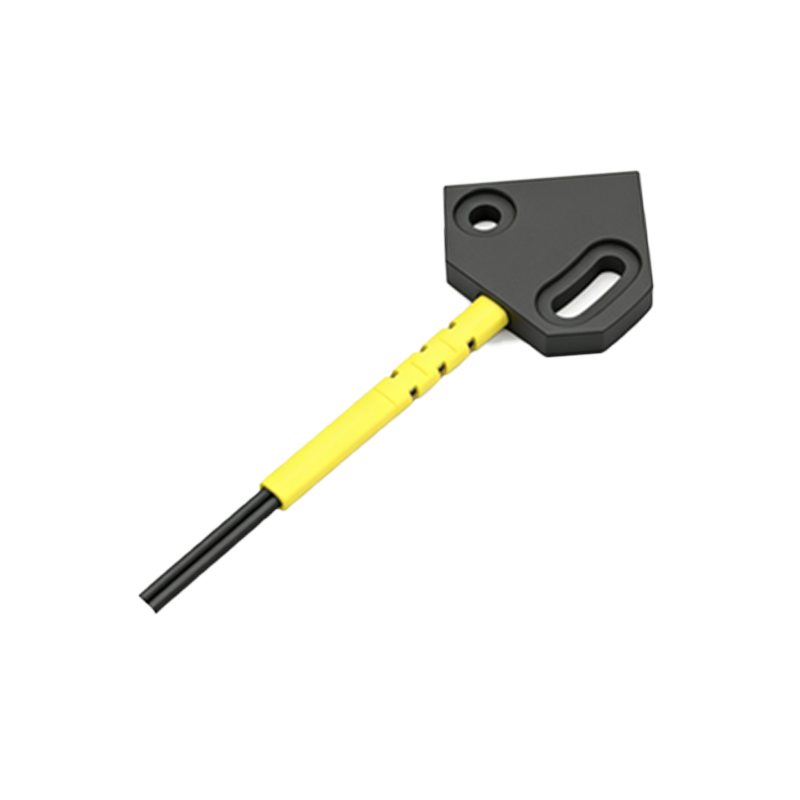
When mounting sensors on robotic arms, flexibility and durability are paramount. Use articulated mounting arms with lockable joints to adjust the sensor angle. Miniature photoelectric sensors with M8 or M12 connectors are preferred to reduce weight. For moving parts like actuators or slides, mount sensors on fixed machine bases rather than the moving element to prevent cable fatigue. Consider using fiber optic sensors with flexible cables for tight spaces, and secure the sensor with vibration-dampening pads.
Mounting in Harsh Environments
In wet, dusty, or corrosive environments, mounting must prioritize protection. Use stainless steel or aluminum mounting brackets with corrosion-resistant coatings. Position sensors behind protective windows (e.g., plexiglass) if direct exposure is unavoidable. For washdown applications, mount sensors at a downward angle to prevent water pooling. Retro-reflective sensors with polarized filters are recommended to reduce false triggers from reflective surfaces. Always use cable glands with IP69K ratings for extreme conditions.
Mounting for Safety and Precision Applications
Safety-rated photoelectric sensors require specific mounting to meet standards like ISO 13849. Mount sensors on rigid, non-flexing supports with redundant brackets. Use alignment tools like laser pointers or visual indicators to ensure precise positioning. For area monitoring, mount multiple sensors in a staggered pattern to eliminate blind spots. In precision applications (e.g., wafer handling), use fine-adjustment mounting plates with micrometer screws. Always label mounting points for maintenance.
Common Mounting Mistakes to Avoid
Avoid mounting sensors on sources of vibration, such as unsupported machine frames or thin sheet metal. Do not mount sensors where ambient light (e.g., welding arcs) directly hits the receiver. Ensure the mounting bracket does not obstruct the sensor lens. Never use standard bolts for sensors requiring anti-backlash nuts; use thread-locking compounds instead. For cable connections, avoid tight bends within 10cm of the sensor head.