Introduction to Photoelectric Sensors in Tape Dispensing
As an electrical engineer specializing in industrial automation, I have witnessed the critical role photoelectric sensors play in modern tape dispensing machines. These sensors, often overlooked, are the backbone of precision and efficiency in applications ranging from packaging to electronics assembly. By converting light signals into electrical outputs, they enable real-time detection of tape presence, position, and tension, ensuring flawless operation in high-speed environments.
How Photoelectric Sensors Work in Tape Dispensers
Photoelectric sensors in tape dispensers typically use a transmitter and receiver to detect interruptions in a light beam. When a tape roll is loaded, the sensor emits a focused beam; if the tape is present, it reflects or blocks the light, triggering a signal to the controller. This mechanism allows for precise start and stop actions, minimizing waste and misalignment. For example, in a fully automated packaging line, a through-beam sensor can detect the exact moment a tape strip ends, prompting the cutter to engage without delay.
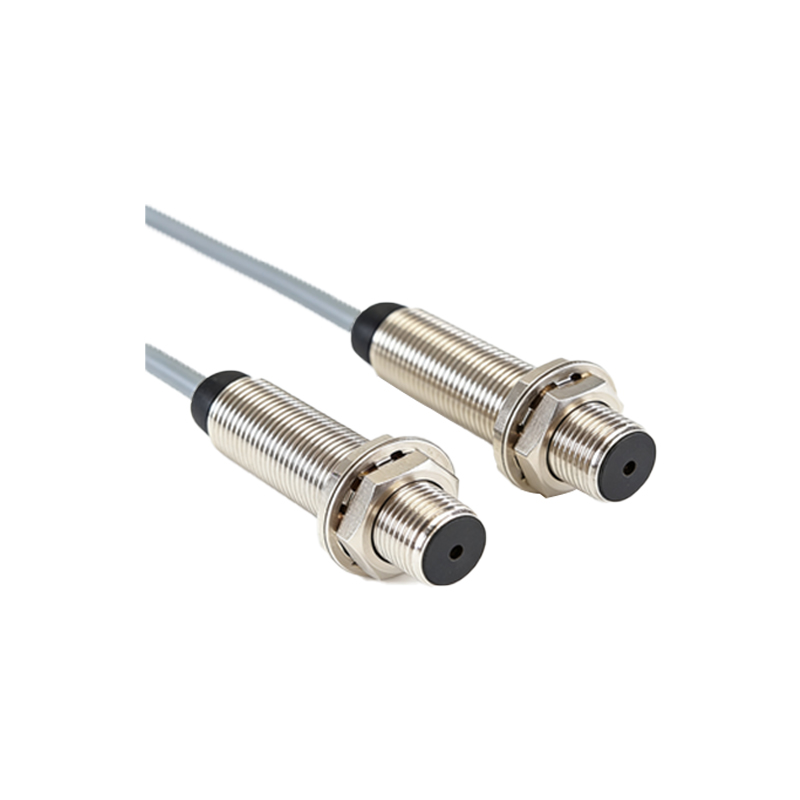
Key Types of Sensors for Tape Applications
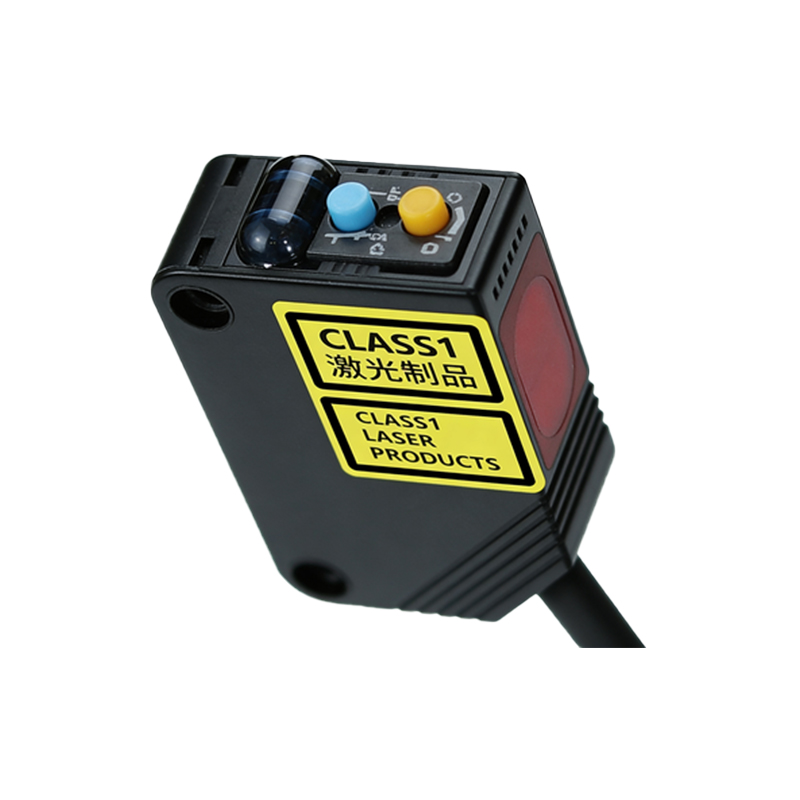
Based on my field experience, three types are most effective: diffuse reflective sensors, retro-reflective sensors, and through-beam sensors. Diffuse sensors are ideal for detecting transparent tapes in low-light conditions, while retro-reflective types excel with opaque materials by using a reflector for longer ranges. Through-beam sensors offer the highest accuracy for high-speed dispensers, as they can detect even minimal tape gaps. Engineers must select the type based on tape material, speed, and environmental factors like dust or vibration.
Integration Challenges and Solutions
Common issues in integrating photoelectric sensors include false triggers from ambient light, signal interference, and sensor misalignment. To mitigate these, I recommend using sensors with adjustable sensitivity and a modulated light source to filter out background noise. Additionally, proper mounting—such as aligning the sensor perpendicular to the tape path—reduces errors. In one project, we resolved a persistent jamming issue by switching to a polarized retro-reflective sensor, which ignored reflections from glossy tape surfaces.
Future Trends in Sensor Technology for Dispensers
Advancements in photoelectric sensors are driving smarter tape dispensers. IoT-enabled sensors now provide remote monitoring and predictive maintenance, reducing downtime. Miniaturized sensors allow for compact designs in handheld tools, while multi-beam arrays enhance detection of multiple tape layers. As an engineer, I see these innovations as key to achieving higher throughput and lower operational costs in automated systems.