Understanding the Role of Photoelectric Sensor Shields
In modern industrial automation, photoelectric sensors are critical for detecting objects, measuring distances, and ensuring process control. However, their performance can be severely compromised by environmental factors such as ambient light interference, dust, moisture, or physical obstacles. Installing a shield—typically a metal or plastic baffle—around the sensor helps to focus the light beam, reduce false triggering, and protect the sensor from contamination. The correct placement of this shield determines whether the sensor achieves its rated accuracy and reliability.
Key Factors Influencing Shield Placement
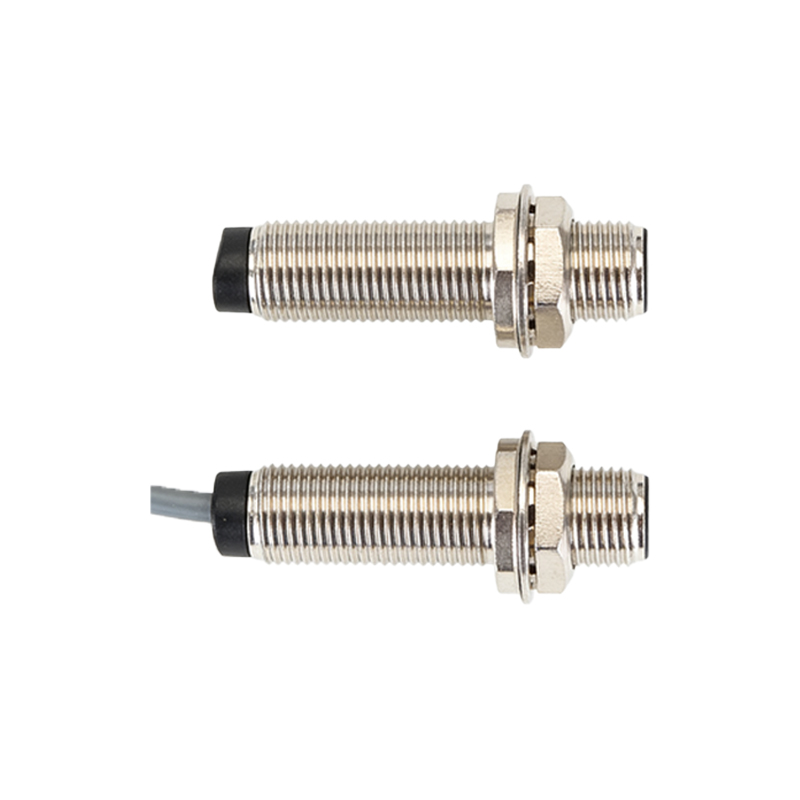
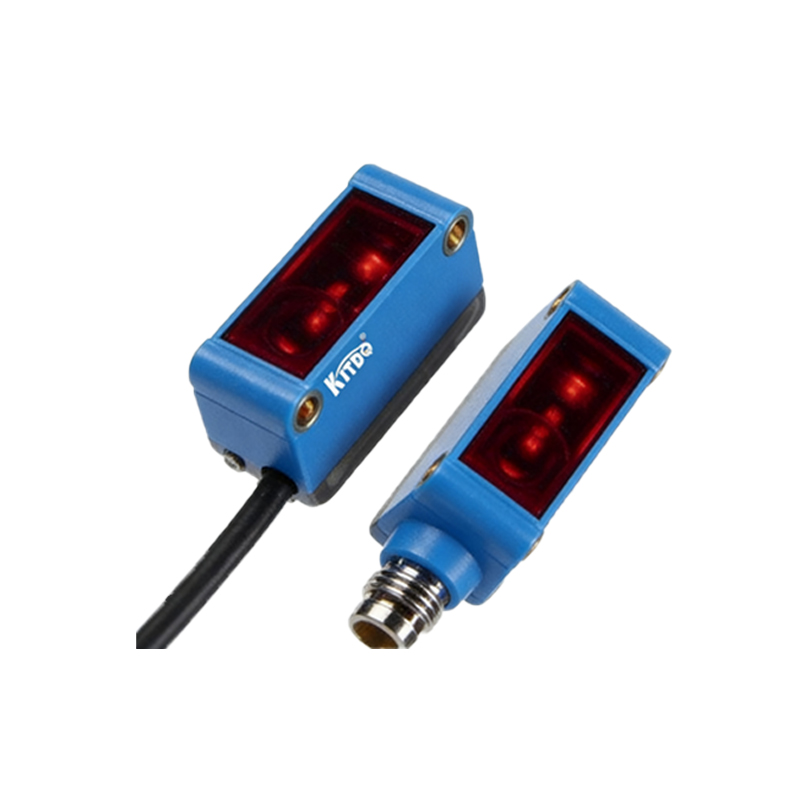
The installation position must account for the sensor type—through-beam, retro-reflective, or diffuse—and the specific application. For through-beam sensors, the shield should be placed close to the emitter and receiver to block stray light without obstructing the direct beam. A common rule is to position the shield within 5–10 mm from the sensor face, angled slightly downward (by 5–10 degrees) to prevent dust accumulation. For retro-reflective sensors, the shield should surround the reflector but not block the return path, with a clearance of at least 2 mm from the reflector edge. In diffuse sensors, the shield must be placed behind the sensing area to avoid interfering with the scattered light, typically 10–15 mm away from the lens.
Practical Installation Guidelines
When mounting shields, ensure they are rigidly fixed using brackets or mounting holes to prevent vibration during operation. For high-speed production lines (e.g., packaging or conveyor systems), the shield should be aligned such that the light beam passes through a clean aperture 1.5 times the sensor’s beam diameter. Avoid placing shields within the sensor’s dead zone—the area too close to the sensor where detection is unreliable—often specified by the manufacturer as 0–20 mm from the lens. Additionally, consider the material: stainless steel shields resist corrosion in washdown environments, while anodized aluminum works well in dry conditions.
Common Mistakes and How to Avoid Them

A frequent error is mounting the shield too far from the sensor, which allows ambient light to enter and cause false signals. Another mistake is using a shield with rough edges that reflect light irregularly, leading to ghost targets. Always round or deburr cut edges. For outdoor installations, ensure the shield has a drainage hole at the bottom to prevent water pooling, which can cause sensor failure. Lastly, never shield the sensor’s status indicator or adjustment buttons, as this hinders maintenance and calibration.
Verifying Shield Position Through Testing
After installation, perform a functional test by running the target through the sensing zone at maximum and minimum operating speeds. Use an oscilloscope or sensor diagnostic tool to monitor signal stability. Adjust the shield gradually (e.g., in 2 mm increments) while checking for false triggers or missed detections. Document the final position for future reference. In critical applications, such as safety light curtains, consult the sensor’s manual for specific shield placement requirements, as improper positioning can compromise safety.
Conclusion: Standardizing Shield Installation for Reliability
Optimal shield placement is not a one-size-fits-all solution; it requires careful analysis of sensor characteristics, environmental conditions, and application demands. By following the above guidelines—maintaining proper clearance, using appropriate materials, and verifying through testing—engineers can significantly enhance sensor performance and system uptime. Ultimately, a well-positioned shield is a low-cost, high-impact upgrade for any automated production line.