Introduction to Photoelectric Sensors in Elevators
Photoelectric sensors, also known as photoelectric switches, are critical components in modern elevator systems, enabling precise detection of position, speed, and door operation. These sensors use light beams, either through a transmitter and receiver, to detect objects without physical contact. In elevator applications, they ensure reliable safety and efficiency, particularly in door mechanisms, floor leveling, and cabin positioning. This article provides a technical breakdown of their usage, focusing on image-based sensor types and installation practices.
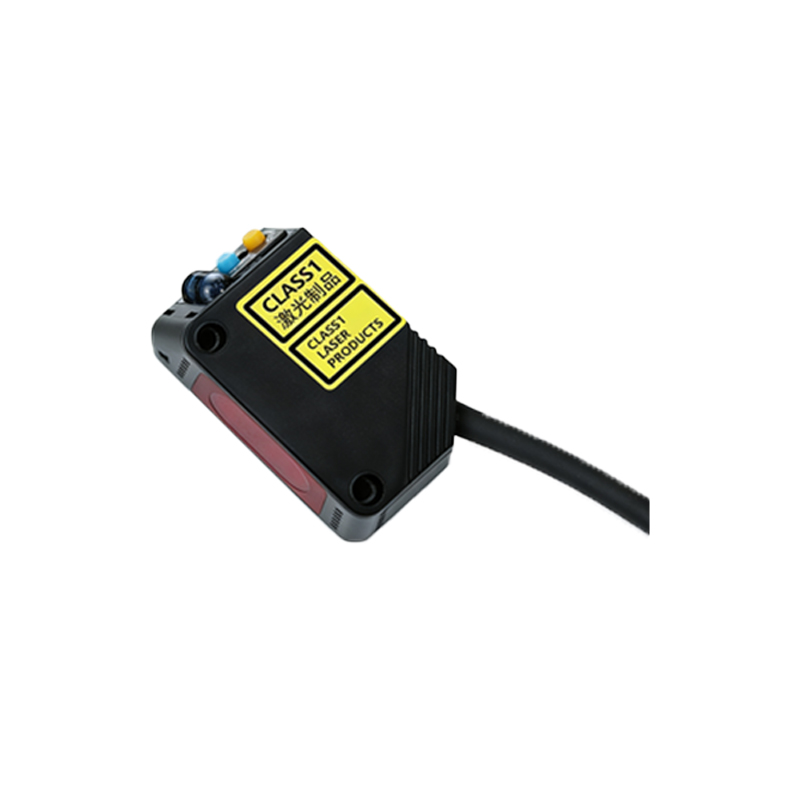
Types of Photoelectric Sensors for Elevator Doors
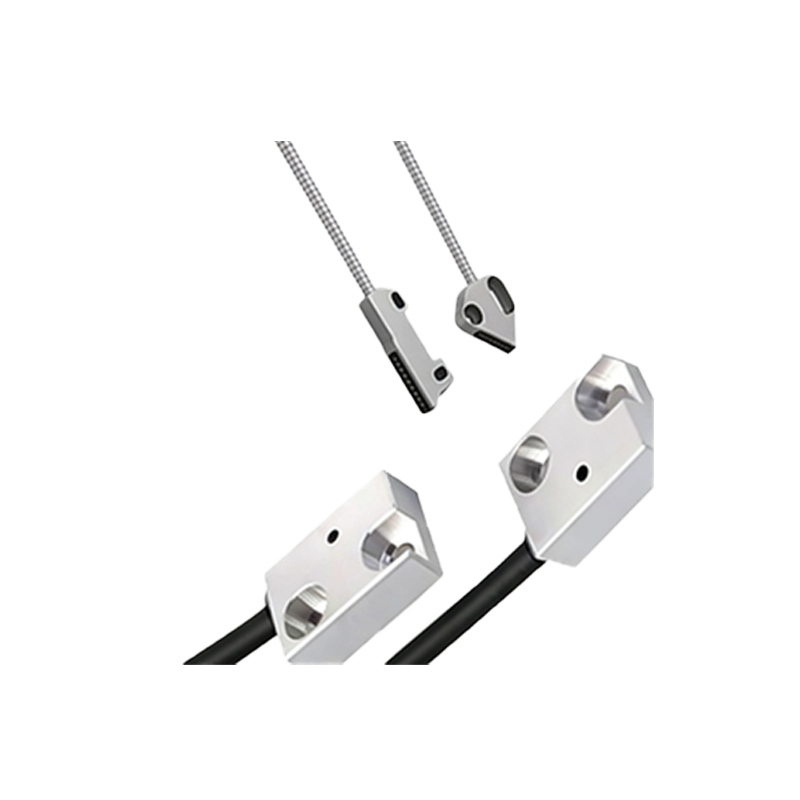
For elevator doors, two primary photoelectric sensor configurations are used: through-beam and retro-reflective. Through-beam sensors consist of separate emitter and receiver units, creating an infrared or visible light curtain across the door opening. When an object interrupts the beam, the door reverses or stops. Retro-reflective sensors use a single unit with a reflector, simplifying wiring but requiring precise alignment. Image-based sensors, such as those with integrated cameras, are increasingly adopted for advanced obstacle detection, analyzing patterns to avoid false triggers. Common models include the Omron E3Z series or Banner QS30, which offer robust performance in dusty environments.
Image-Based Sensor Technology for Positioning
High-resolution photoelectric sensors with image processing capabilities are essential for accurate floor leveling. These sensors capture a reflected light pattern from the elevator shaft wall or floor markers, converting it into a digital signal. For instance, a sensor mounted on the elevator car reads a coded tape or pattern, providing sub-millimeter precision. This eliminates the need for mechanical limit switches and reduces maintenance. The image sensor typically uses a CMOS or CCD array, processing data at 100 Hz or higher to synchronize with elevator control systems. Key parameters include response time (under 10 ms) and ambient light rejection.
Installation and Calibration Best Practices
Proper installation of photoelectric sensors in elevators demands attention to alignment and environmental protection. For through-beam sensors, ensure the emitter and receiver are parallel and within the specified distance (usually 1-5 meters). Use mounting brackets with vibration dampeners to compensate for elevator movement. Calibration involves adjusting sensitivity potentiometers to avoid interference from false reflections, such as from elevator mirrors or shiny surfaces. For image-based sensors, test surface reflectivity and set detection thresholds via a PC interface. Regular cleaning of sensor lenses with a lint-free cloth prevents dust accumulation, which can cause erroneous signals.
Safeguarding and Compliance with Standards
Elevator photoelectric sensors must meet safety standards such as EN 81-20 or ASME A17.1, which mandate redundant detection for door safety. Typically, two independent sensors are used in series to ensure fail-safe operation. For image-based systems, software certification is required to validate object detection algorithms. Maintenance logs should track sensor performance, including response time drift and false alarm rates. Use shielded cables to minimize electromagnetic interference from elevator motors. In case of sensor failure, the elevator should default to a safe state, such as stopping at the nearest floor.
Future Trends and Conclusion
The evolution of photoelectric sensors in elevators includes integration with IoT for predictive maintenance and advanced 3D imaging for full cabin occupancy detection. Such sensors can now differentiate between humans and objects, reducing nuisance stops. As elevator speeds increase, sensors must handle faster data processing. In conclusion, photoelectric sensors, especially image-based types, are indispensable for modern elevator safety and precision. Engineers should prioritize robust design, proper calibration, and compliance with evolving standards to maximize reliability.